Repairing these armrests instead of replacing them can provide significant cost savings and also offer an opportunity to customize the repair to match specific office decor. This guide delves into the nuances of vinyl as a material, explores common problems associated with vinyl office chair armrests, and provides step-by-step instructions on how to address these issues effectively.
Understanding Vinyl as a Material in Office Chairs
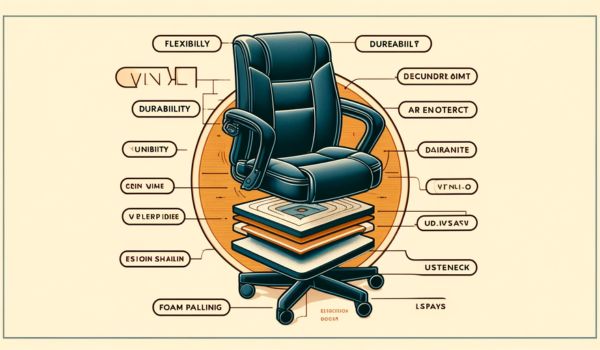
Vinyl is favored in office environments for its ability to withstand significant use while maintaining a presentable appearance. It’s a plastic resin manufactured from ethylene and chlorine, which when processed, forms Polyvinyl Chloride or PVC—commonly referred to as vinyl. This material is not only durable but also resistant to moisture and easy to clean, making it ideal for high-traffic areas like offices.
However, despite its robust nature, vinyl office chair armrests are susceptible to certain types of damage. Cracks can appear from the stress of regular use, especially in colder climates where the material becomes less pliable. Tears are another common issue, often a result of sharp objects or the edge of a desk piercing the vinyl. Over time, the color of vinyl armrests can also fade or become discolored due to exposure to sunlight or the wear and tear of daily use.
Preparation for Repairing Vinyl Office Chair Armrests
Before embarking on the repair of a vinyl office chair armrest, it’s essential to assemble all the necessary tools and materials. Preparing adequately ensures the repair process is smooth, efficient, and safe.
Gathering Necessary Tools and Materials
The success of your repair job heavily depends on having the right tools and materials at your disposal. Here’s what you’ll need:
- Vinyl Repair Kit: This is the cornerstone of your repair process, containing adhesive, application tools, and sometimes colorant to match the vinyl.
- Sandpaper: Used to smooth out the surface after applying the vinyl repair compound, helping it blend seamlessly with the surrounding area.
- Cleaning Supplies: Having a clean surface is crucial for effective repairs. Use mild soap and water or a vinyl cleaner to remove any dirt or oils that could interfere with adhesion.
- Adhesive: In some cases, additional adhesive may be required, especially if dealing with larger tears that need extra security.
- Patch Material: For tears, having a piece of vinyl that matches the existing material helps create a discreet repair.
Safety Precautions
When repairing vinyl, it’s important to work in a well-ventilated area as adhesives and colorants can emit fumes. Wearing gloves can protect your skin from harsh chemicals, and safety glasses are advised to guard against accidental splashes.
Assessing the Damage
Before proceeding with any repairs, a thorough assessment of the damage is crucial. Look over the armrest to determine the extent and type of damage:
- Cracks often appear on the surface and might not affect the entire thickness of the vinyl, making them easier to fill.
- Tears require careful examination to ensure the patch will adequately cover and bond to the damaged area.
- Wear and Discoloration might need a color restoration process if the original hue has faded significantly.
By accurately assessing the damage, you can choose the most effective repair methods and ensure that you don’t undertake unnecessary work. This step-by-step preparation sets the foundation for a successful repair, extending the life and beauty of your office chair armrest.
Related Post
Step-by-Step Repair Process for Vinyl Office Chair Armrests
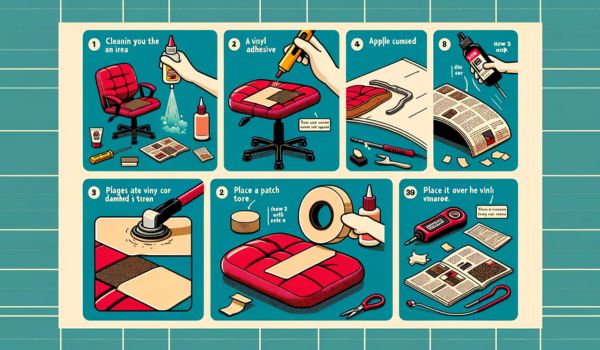
Repairing a vinyl office chair armrest requires meticulous attention to detail and careful handling of materials. This section outlines a practical approach to restoring your chair’s armrest to near-original condition.
Cleaning the Armrest
Removing Dirt and Debris: Begin by wiping down the armrest with a dry cloth to remove any loose dirt or debris. This step prevents scratching or further damage during the cleaning process.
Using Appropriate Cleaners: Apply a mild soap mixed with water or a specialized vinyl cleaner using a soft cloth. It’s crucial to avoid harsh chemicals that can damage the vinyl. Thoroughly clean the area to ensure the repair materials adhere properly.
Repairing Small Cracks and Tears
Using a Vinyl Repair Kit: Select a repair kit that closely matches the color and texture of your vinyl. These kits typically include a compound that is used to fill in cracks and small tears.
Applying Adhesive: Carefully apply the adhesive or compound to the damaged area. For small cracks, you may use the tip of the application tool to gently press the compound into the crack.
Smoothing the Surface: Once the compound is in place, use a flat tool or your finger (while wearing a glove) to smooth it out, ensuring it is level with the surrounding surface. Allow it to dry according to the instructions provided with the kit.
Repairing Large Tears or Holes
Cutting and Preparing a Vinyl Patch: Measure and cut a piece of vinyl that is slightly larger than the tear or hole. This patch should come from a hidden section of the chair or a matching piece of vinyl.
Applying the Patch: Place the vinyl patch underneath the damaged area and use a vinyl adhesive to secure the edges underneath the existing vinyl. Ensure the adhesive is applied evenly for a strong bond.
Blending the Patch with the Original Material: Once the patch is secured and the adhesive has dried, apply a thin layer of vinyl repair compound over the patch to blend it into the original material. Color it if necessary to match the surrounding area.
Finishing Touches
Sanding and Smoothing Repaired Areas: After the repairs have dried completely, gently sand any uneven surfaces with fine-grit sandpaper. This helps to create a smooth, seamless appearance.
Applying a Protective Coating: To protect the repair and the surrounding vinyl, apply a clear vinyl sealant or protector. This coating will also enhance the shine and provide a layer of resistance against future wear and tear.
Ensuring a Seamless Look: Finally, inspect the armrest to ensure that the repair blends in well with the rest of the chair. The goal is to make the repaired areas virtually undetectable.
Following these steps will help you effectively repair and restore the vinyl armrests of your office chair, ensuring continued comfort and maintaining a professional appearance in your workspace.
Related Post
Alternative Repair Methods for Vinyl Office Chair Armrests
When the standard repair methods don’t quite fit the bill, or if you’re looking for a different approach, there are alternative techniques you can consider for repairing vinyl office chair armrests.
Using Liquid Vinyl Repair Compounds
Liquid vinyl is an excellent option for seamless repairs, especially for minor abrasions or small holes. This compound is applied directly to the damaged area, and it dries to form a solid, flexible seal that mimics the look and feel of the original vinyl.
Sewing or Stitching the Tear
For a more hands-on repair, stitching can be effective, particularly for clean tears that haven’t frayed. Using a strong, color-matched thread, carefully sew the tear closed. This method is more visible but adds a level of durability to the repair, reinforcing the damaged area against further stress.
Replacing the Armrest Covers
If the damage is extensive or if the armrests are excessively worn, replacing the vinyl covers might be the most straightforward solution. This method ensures a brand-new appearance and can be more cost-effective in the long run, especially if repairs are becoming a frequent necessity.
Preventative Maintenance Tips
Maintaining your office chair can significantly extend its lifespan and reduce the need for repairs. Here are some preventative maintenance tips:
Regular Cleaning and Conditioning
Clean your vinyl armrests regularly with suitable cleaners to prevent dirt accumulation that can cause abrasion and wear. Use a vinyl conditioner occasionally to keep the material supple and prevent cracks.
Using Protective Covers
Consider using removable covers that can be washed and replaced as needed. These covers protect the armrests from direct wear and tear while providing an opportunity to update the chair’s look without a full replacement.
Avoiding Excessive Pressure or Weight
Vinyl armrests are durable but can deform or crack under excessive weight. Avoid leaning heavily on them or using them as supports when standing up or sitting down.
Troubleshooting Common Issues
Even with careful application, you might encounter issues during the repair process. Here are some tips for common problems:
Adhesive Not Sticking
Ensure the surface is thoroughly cleaned and dried before applying adhesive. If the adhesive still fails to stick, try a different brand or a specialized vinyl adhesive, which may offer a better bond.
Patch Material Not Blending
If the patch material stands out, you may need to custom-cut a piece from a hidden area of the chair or from a matching vinyl sheet. Consider using a tinted vinyl repair compound to better match the surrounding area.
Repaired Area Looking Uneven
If the repaired area appears uneven after drying, carefully sand it down with fine-grit sandpaper and apply a thin layer of repair compound to smooth it out. Finish with a coat of clear vinyl sealant for a polished look.
By understanding these alternative methods, preventative strategies, and troubleshooting tips, you can ensure your vinyl office chair armrests remain in excellent condition, providing comfort and aesthetic appeal in your office space.
Cost-Benefit Analysis of Repairing vs. Replacing Vinyl Office Chair Armrests
When deciding whether to repair or replace vinyl office chair armrests, considering both the immediate and long-term financial implications as well as environmental factors is crucial.
Cost Comparison Between Repair and Replacement
The cost of a vinyl repair kit and other necessary materials generally ranges from $10 to $50, depending on the extent of the damage and the quality of the materials purchased. In contrast, replacing an entire office chair, or even just the armrests, can cost anywhere from $50 to several hundred dollars. Therefore, repairing is often the more economical choice for minor to moderate damages.
Long-term Benefits of Repair
Repairing armrests can extend the furniture’s lifespan, delaying the need for full replacement and thus providing better value over time. Regular maintenance and timely repairs can keep chairs looking new and fully functional, which is especially beneficial in professional environments where appearance matters.
Environmental Impact of Repair vs. Replacement
Choosing to repair instead of replace has significant environmental benefits. It reduces waste by prolonging the life of the current materials and minimizes the demand for new raw materials needed to manufacture new chairs. This, in turn, contributes to less landfill waste and a lower carbon footprint associated with production and transportation.
Conclusion
This guide has covered the essential steps and methods for how to repair vinyl office chair armrests, from understanding the material to detailed repair processes and maintenance tips. Repairing your office furniture not only saves money but also helps in sustaining the environment. I encourage you to consider these DIY repairs to not only extend the life of your office furniture but also maintain its aesthetic value and functionality. Remember, a well-maintained office environment reflects professionalism and care, which can have a positive impact on your work culture.
Frequently Asked Questions
How to repair armrest on office chair?
To repair an armrest on an office chair, first identify if the issue is structural or cosmetic. For structural repairs, tighten any loose screws or replace broken parts. For cosmetic issues, use upholstery foam or fabric to patch up.
Can vinyl chairs be repaired?
Yes, vinyl chairs can be repaired. Small tears or holes can be fixed with a vinyl repair kit, which includes adhesive and patch material that closely matches the chair’s original color and texture.
How to repair torn vinyl?
To repair torn vinyl, clean the area around the tear thoroughly, then apply a vinyl adhesive beneath the edges of the tear. Press the edges together and apply a vinyl patch over the area if necessary. Allow it to dry completely.
How do you fix a broken chair arm?
Fixing a broken chair arm involves first determining the type of break. If the arm is wooden, glue and clamp the broken pieces together. For metal arms, you might need to weld or use a strong adhesive.
Can you repair torn vinyl seat?
A torn vinyl seat can be repaired using a vinyl repair kit. Clean the area around the tear, apply the adhesive, and place a patch over the area. Ensure the patch blends well with the existing material.
Can peeling vinyl be repaired?
Peeling vinyl can be repaired by reapplying adhesive to secure the peeling sections back in place. If the damage is extensive, consider using a vinyl paint or replacing the affected area with a new piece of vinyl.

Julie D. Williams is a seasoned chair connoisseur with a decade in the furniture realm. She combines her keen eye for design and deep knowledge of ergonomics to provide readers with reviews and guides, ensuring comfort and style in every recommendation. Each piece is a fusion of aesthetics and function, tested and approved by Julie. A believer in the power of the perfect seat to transform spaces, she’s your go-to source for impeccable finds. When not reviewing chairs, Julie is on the hunt for vintage décor, weaving comfort and beauty into every aspect of life.
Understanding the significance of a supportive office chair isn’t just about comfort—it affects productivity and overall health. In this article, we will cover everything from identifying the problems with your armrests to assessing the damage and deciding on the best course of action.
Recognizing the Tell-Tale Signs of Armrest Wear and Tear
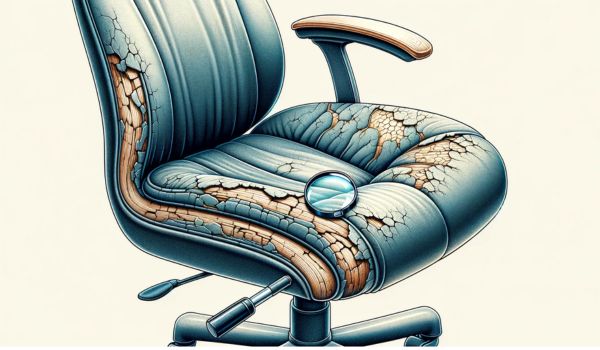
How do you know it’s time to fix your office chair armrest foam? The first step is identifying the problem, which often manifests through visible cracks or tears in the foam. If the armrests have lost their original shape or have started to flatten, causing your elbows and forearms to feel uncomfortable pressure points, these are clear indicators that the foam is no longer performing as it should.
But what causes these issues? It could be the regular wear and tear from daily use, exposure to sunlight or heat, or simply the use of poor-quality materials in the chair’s construction.
Assessing the Damage to Armrest Foam
After recognizing the issues, the next step in how to fix office chair armrest foam is to assess the damage thoroughly. This means examining whether the foam deterioration is just on the surface or if it has penetrated deeper into the armrest. Surface-level damage might be fixable with simple solutions like patching or adding a cover, while deep foam deterioration could require a more comprehensive approach, such as replacing the foam entirely.
Making this determination is crucial because it informs whether a repair will suffice or if a full replacement is necessary to restore the armrest to its original comfort level.
Deciding Between Repair or Replacement
Deciding whether to repair or replace the foam in your office chair armrests can seem daunting. However, understanding the extent of the damage and considering how much longer you intend to keep the chair can help make this decision easier. Minor issues might be addressable with DIY fixes, which we will explore in the following sections.
However, if the foam has severely deteriorated, replacing it might be the only way to ensure your chair can provide the support and comfort needed for optimal productivity.
Gathering Necessary Materials and Tools
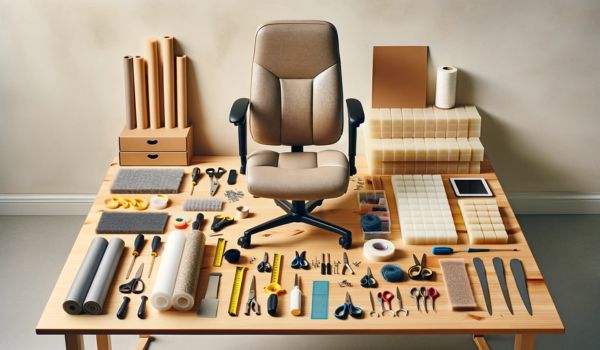
Before you can start the repair or replacement process, gathering all necessary materials and tools is crucial. Here’s what you’ll need to fix office chair armrest foam effectively:
- Replacement foam: Ensure you choose high-density foam for durability and comfort.
- Fabric or upholstery material: This will cover the new foam, giving your armrests a fresh, new look.
- Adhesive: Options include spray adhesive or glue, depending on your preference and the materials you’re working with.
- Optional: Additional foam padding or batting can be used for extra comfort and cushioning.
As for the tools required, make sure you have:
- Scissors to cut the fabric and foam.
- Staple gun for securing the fabric to the armrest.
- Screwdriver to detach the armrest from the chair.
- Measuring tape to ensure your foam and fabric are the correct size.
- Utility knife to precisely cut the replacement foam to size.
Related Post
Removing the Armrest
The first physical step in how to fix office chair armrest foam is removing the armrest from the chair. Follow these steps to ensure a safe and efficient removal:
- Identify the Screws or Attachments: Flip the chair to access the underside of the armrest. Look for any screws, bolts, or clips that hold the armrest in place.
- Safely Removing the Armrest: Using the appropriate screwdriver, carefully remove the screws or attachments. Keep all screws and attachments in a small container to avoid losing any pieces. Gently lift the armrest away from the chair frame.
With the armrest detached and all necessary materials and tools ready, you’re set to move on to repairing or replacing the office chair armrest foam. This will ensure that your chair not only looks good but also provides the necessary support and comfort for everyday use.
Removing the Old Foam
To ensure your repair is effective, you must thoroughly remove the old, deteriorated foam from the office chair armrest. Here’s a step-by-step guide on how to accomplish this:
- Using a Utility Knife or Scissors: Start by carefully cutting into the old foam. If the foam is glued down, use a utility knife to slice through it. Scissors are useful for peeling off the foam layers once they are loose.
- Cleaning the Surface: Once all the old foam is removed, clean the underlying surface of the armrest to remove any residual glue or debris. A clean surface will help the new foam adhere better.
Related Post
Cutting and Shaping New Foam
Once the old foam is removed and the surface is prepped, the next step in fixing your office chair armrest foam involves cutting and shaping the new foam:
- Measuring the Armrest for Correct Foam Dimensions: Use a measuring tape to measure the length, width, and desired thickness of the new foam. It’s essential to get accurate measurements to ensure the foam fits perfectly.
- Cutting Foam to Size: With your measurements in hand, mark the dimensions on your new foam. Use a utility knife for precise cuts. Ensure the blade is sharp to avoid tearing the foam.
- Techniques for Clean Cuts: For the cleanest cuts, make a shallow first pass with your knife to create a guideline, then make deeper cuts along this line until you’ve cut through the foam.
- Shaping the Foam for Ergonomic Comfort: If necessary, trim the edges of the foam to create a contoured shape that matches the original ergonomic design of the armrest.
Attaching the New Foam
The final step in how to fix office chair armrest foam is attaching the new foam securely:
- Applying Adhesive to Secure the Foam: Choose a suitable adhesive (spray adhesive works well for foam applications). Spray or apply the glue evenly on both the armrest surface and the bottom side of the new foam.
- Even Distribution of Adhesive: Make sure the adhesive covers the entire surface area to avoid unevenness or bubbling in the foam.
- Ensuring Strong Adhesion: Place the new foam onto the armrest, pressing down firmly and evenly. Allow the adhesive to cure according to the manufacturer’s instructions, ensuring a strong bond and preventing the foam from shifting during use.
By carefully following these steps to remove old foam, cut and shape new foam, and attach it securely, you will have successfully repaired the foam in your office chair armrest, restoring comfort and functionality to your workspace.
Covering the Foam with Fabric
Once your new foam is securely attached, the next step is to cover it with fabric or upholstery material. When selecting your fabric, consider durability and comfort, as the armrest will undergo frequent use and pressure. Choose a material that complements the aesthetic of your office chair while providing resilience and ease of maintenance. After selecting the fabric:
- Cutting Fabric to Size: Measure the dimensions of the armrest, adding extra fabric on all sides to allow for wrapping around the foam and under the armrest where it will be secured.
- Securing the Fabric Around the Foam: Lay the cut fabric flat and place the foam-covered armrest face down onto the fabric. Pull the fabric tightly over the edges, ensuring it is even and smooth.
- Using a Staple Gun for Tight and Secure Attachment: Secure the fabric to the underside of the armrest using a staple gun. Make sure the staples are spaced evenly and penetrate deeply to hold the fabric in place.
- Ensuring a Smooth, Wrinkle-Free Finish: As you staple, adjust the tension in the fabric to avoid wrinkles and ensure a smooth, professional-looking finish.
Reattaching the Armrest
With the fabric now securely in place, it’s time to reattach the armrest to the chair:
- Aligning Screw Holes: Carefully align the armrest with the screw holes on the chair frame. This may require slight adjustments as the new foam and fabric can shift the alignment.
- Securing Screws Tightly: Once aligned, reinsert and tighten the screws to secure the armrest back onto the chair. Ensure they are tight to prevent any wobbling or instability.
Final Adjustments and Tips
After reattaching the armrest, make some final adjustments to ensure everything is properly aligned and secure. Here are some tips for maintaining your office chair armrest foam:
- Regular Cleaning: Clean the armrest regularly to prevent dirt build-up that can degrade the fabric and foam.
- Avoiding Excessive Pressure or Weight: Do not exert excessive pressure on the armrests to prolong their life.
- Using Protective Covers: Consider using removable covers that can be washed and replaced, offering additional protection against wear and tear.
Conclusion
This comprehensive guide has walked you through the steps involved in fixing office chair armrest foam, from identifying and removing old foam to securing new fabric and reattaching the armrest. By tackling this repair, you not only extend the life of your office chair but also enhance your comfort, making long hours at your desk more enjoyable. Feel free to share your feedback or ask questions if you need further assistance with your office chair repairs. Your comfort at work is worth the effort!
Frequently Asked Questions
How to fix office chair armrest?
To fix an office chair armrest, tighten any loose screws or bolts with a screwdriver or Allen wrench. If the armrest is damaged, consider replacing it with a new one from the manufacturer.
What kind of glue to repair office chair?
For repairing office chairs, use a strong adhesive like epoxy or super glue. Ensure the surfaces are clean and dry before application for best results.
How to lock office chair armrest?
Some office chair armrests can be locked by adjusting a knob or lever usually found underneath the armrest. Check your chair’s manual for specific locking mechanisms.
How to raise office chair armrests?
To raise the armrests, locate the adjustment button or lever on the side or underneath the armrest. Press or lift it while pulling the armrest to the desired height.
How do you fix a broken chair arm?
To fix a broken chair arm, realign the broken parts and use wood glue or a suitable adhesive. Clamp the arm until the glue dries completely, then reinforce with screws if needed.
Why is my armrest loose?
A loose armrest typically results from worn-out screws or bolts. Tighten them with the appropriate tools. If they’re damaged, replace them with new hardware.
Julie D. Williams is a seasoned chair connoisseur with a decade in the furniture realm. She combines her keen eye for design and deep knowledge of ergonomics to provide readers with reviews and guides, ensuring comfort and style in every recommendation. Each piece is a fusion of aesthetics and function, tested and approved by Julie. A believer in the power of the perfect seat to transform spaces, she’s your go-to source for impeccable finds. When not reviewing chairs, Julie is on the hunt for vintage décor, weaving comfort and beauty into every aspect of life.
This article will guide you through the essential steps and tips to ensure your arm caddy remains securely in place, thereby optimizing your lift chair’s convenience and functionality.
Understanding Lift Chairs and Their Companions: Arm Caddies
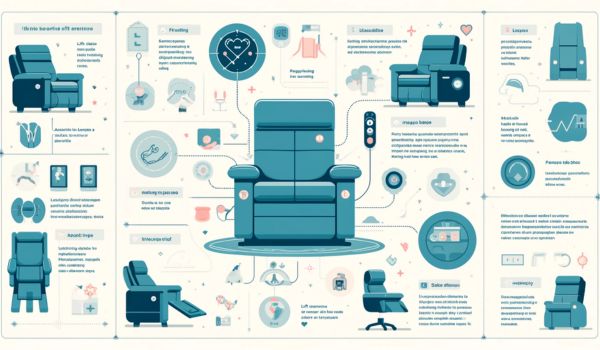
Lift chairs are essentially motorized recliners that assist users in standing up without additional help. They are designed with a powerful lifting system capable of tilting the base and back of the chair forward, easing the user into a standing position. This feature is particularly beneficial for individuals with limited mobility due to age, surgery, or any physical condition.
On the other side, a recliner chair arm caddy acts as a handy companion for anyone using a recliner or lift chair. It is crafted to fit snugly over the arm of the chair, providing easy access to essentials like remote controls, magazines, and even snacks. This accessory significantly enhances the convenience of a lift chair, ensuring everything you need is within arm’s reach.
However, one of the frequent challenges users face is keeping these arm caddies stable. Due to the movement of the lift chair and the smooth surface of its arms, caddies often slip off or shift, which can be frustrating and diminish the utility and comfort of the lift chair experience.
Choosing the Right Arm Caddy for Your Lift Chair
Selecting the appropriate arm caddy involves understanding the various types available in the market. Arm caddies come in different designs, from simple fabric pouches to more sophisticated, structured organizers with multiple compartments.
Some are made with soft fabrics for comfort while others feature sturdy, leather-like materials for durability and ease of cleaning.
Considerations for Selecting the Appropriate Arm Caddy
When choosing an arm caddy, several factors should be taken into account:
- Material: Consider whether you prefer a washable fabric or a more luxurious, durable material like leather or faux leather.
- Storage Needs: Evaluate how much and what type of storage you need. Do you need space for a remote, a tablet, glasses, or perhaps all of the above?
- Aesthetic: Choose a color and material that match or complement your lift chair, keeping in mind that the caddy is both a functional and decorative accessory.
Compatibility with Different Lift Chair Models
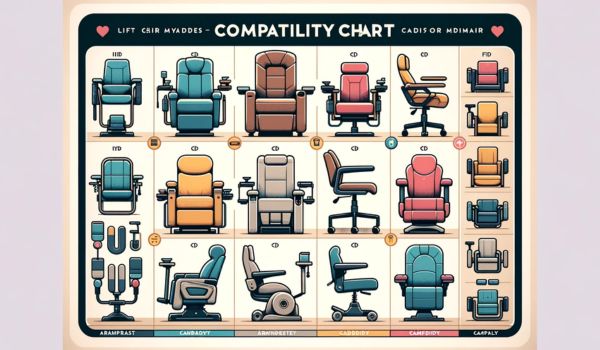
It’s essential to ensure that the arm caddy is compatible with your lift chair model. The size and shape of the chair’s arm can affect the fit of the caddy. Some caddies are designed with adjustable features or universal fit capabilities to accommodate various chair sizes, which can be particularly useful.
Preparing Your Lift Chair and Arm Caddy for Installation
Proper preparation can ensure that your arm caddy is installed smoothly and remains securely in place.
Cleaning and Clearing the Armrest Area
Start by cleaning the armrest thoroughly to remove any dirt or grease that could reduce the grip of the caddy. A clean surface helps to ensure that any non-slip materials used will adhere better and provide a stable base for the caddy.
Adjusting the Lift Chair Position for Easy Installation
Before installing the arm caddy, adjust your lift chair to a position that makes the armrests easily accessible. This might mean fully reclining the chair or lifting it to a particular angle. The right position allows for easier handling and fitting of the arm caddy.
Inspecting the Arm Caddy for Any Defects or Damages
Before attaching it to your chair, inspect the arm caddy for any potential defects or damages. Check the stitching, fasteners, and any adhesive patches if applicable. Ensuring that everything is in perfect condition before installation can prevent issues related to durability or functionality later on.
By following these detailed steps and considerations, you can choose and install an arm caddy that will enhance your lift chair’s functionality and your overall comfort and convenience.
Related Post
- Can i turn a regular recliner into a lift chair
- Will a lift chair mechanism fit any recliner
- Can you convert a recliner to a lift chair
Methods for Securing the Arm Caddy on a Lift Chair
Ensuring that your arm caddy is securely attached to your lift chair not only enhances functionality but also prolongs the life of both your arm caddy and chair. Here are several methods to consider:
Velcro Straps
Velcro straps are a popular choice for securing arm caddies due to their adjustability and ease of use. To install using Velcro:
- Measure the length of Velcro needed to wrap around the chair arm securely.
- Attach one side of the Velcro to the underside of the arm caddy.
- Wrap the other side around the arm of the chair tightly and press firmly to secure the Velcro.
Elastic Bands
Elastic bands can provide a snug fit and are simple to install. However, they can stretch over time and may need replacing to maintain a tight fit. Installation is straightforward—stretch the band around the chair arm and position the caddy so it’s held firmly by the tension of the band.
Hook-and-Loop Fasteners
Hook-and-loop fasteners are similar to Velcro but generally offer a stronger grip, making them suitable for heavier items. To ensure a firm attachment:
- Attach the hook side of the fastener to the arm caddy and the loop side to the chair arm.
- Press the two sides together once aligned to secure the caddy.
Screw-On Mounts
For those looking for a more permanent solution, screw-on mounts provide excellent stability. This method involves screwing a base into the chair arm and then attaching the caddy. It is the most stable solution but requires drilling into the chair, which may not be suitable for all types of chairs or for those who prefer a less permanent option.
Additional Tips for Maintaining Arm Caddy Stability
To maximize the lifespan and effectiveness of your arm caddy, consider these additional maintenance tips:
- Regularly Check and Tighten Fasteners: Over time, fasteners can loosen, especially with frequent use. Regularly check and tighten these components to ensure the caddy remains secure.
- Avoid Overloading: Placing too much weight in the caddy can lead to sagging or detachment. Distribute weight evenly and avoid overloading to maintain balance and function.
- DIY Reinforcement Techniques: For those who enjoy a hands-on approach, DIY reinforcements can enhance stability. This could include adding additional layers of fabric for grip or creating custom straps that better fit the specific dimensions of your chair arm.
By employing these methods and maintaining regular checks, you can ensure that your arm caddy remains a reliable and useful accessory to your lift chair, enhancing both convenience and accessibility.
Troubleshooting Common Issues with Arm Caddies on Lift Chairs
Even with the best setup, issues can arise with arm caddies that require prompt attention to prevent inconvenience or damage. Here’s how to address some common problems:
Slipping or Sliding of the Arm Caddy During Use
If the arm caddy begins to slip or slide, it may be due to inadequate grip or improper sizing. Increasing the friction between the caddy and the chair arm can help, such as by adding a rubber mat or improving the fit with adjustable straps or custom modifications that hug the armrest more snugly.
Damage to the Lift Chair Fabric or Structure
Arm caddies, especially those that attach with clips or screws, can sometimes damage the fabric or structure of lift chairs. To avoid this, use soft attachment options like fabric ties or hook-and-loop fasteners that are less likely to cause wear. Additionally, regular inspections for any sharp edges or tight fittings that might pinch or tear the chair fabric can prevent damage.
Compatibility Issues Between the Arm Caddy and Lift Chair Design
Not all arm caddies are suitable for every lift chair model due to variations in armrest shape and size. If compatibility issues arise, consider seeking a custom-made caddy or one with universal compatibility features. Consultation with manufacturers for recommendations based on your specific chair model can also be beneficial.
Enhancing the Functionality of Your Arm Caddy
To get the most out of your arm caddy, consider these enhancements:
Customization Options for Organizing Items Effectively
Customizing your arm caddy to suit your specific needs can greatly increase its utility. Consider adding dividers or specific compartments for commonly used items like remotes, mobile phones, or glasses. Velcro patches inside the caddy can help keep items secure while the chair is in motion.
Adding Accessories Such as Cup Holders or Pockets
For additional convenience, incorporate accessories like cup holders or extra pockets. These can be sewn in or attached with adhesive or Velcro. Cup holders designed to handle various sizes of drinks can prevent spills, and additional pockets can be used for storing small electronics or personal items.
Maintaining Accessibility While Ensuring Stability
While adding features and accessories, ensure that the arm caddy remains easy to use and does not become overly cumbersome. Accessibility is key, so arrange items and accessories in a way that they are easy to reach and use without compromising the stability and security of the caddy setup.
By addressing these common issues and enhancing functionality, you can ensure that your lift chair and arm caddy setup is not only practical but also tailored to your lifestyle, providing maximum benefit and satisfaction.
Conclusion
Ensuring that your recliner chair arm caddy remains securely attached to your lift chair is vital for maximizing both comfort and convenience. Throughout this guide, we’ve explored various methods and tips to keep the arm caddy in place, enhancing the functionality of your lift chair.
By selecting the right arm caddy, using effective securing techniques, and adding customized features, you can significantly improve your daily living experience.
I encourage you to explore the different options discussed and implement the techniques that best suit your needs. With the right setup, your lift chair can become a haven of convenience and accessibility.
Frequently Asked Questions
How do I determine the right size arm caddy for my lift chair?
To find the right size arm caddy for your lift chair, measure the length and width of the chair’s armrests and compare these with the dimensions of available caddies.
What materials are best for an arm caddy?
Leather or faux leather are excellent for durability and ease of cleaning, while soft fabric is ideal for comfort and can often be machine washed.
How can I prevent the arm caddy from slipping off the chair?
To prevent slipping, use non-slip materials like rubber mats under the caddy, or secure it with Velcro straps or hook-and-loop fasteners.
Are there any arm caddy models that come with built-in cup holders?
Yes, some arm caddy models include built-in cup holders for added convenience, designed to securely hold a variety of cup sizes.
How often should I inspect my arm caddy for wear and tear?
Inspect your arm caddy for any signs of wear or damage every few months, especially if it’s frequently used or bears heavy items.
Can I customize an arm caddy to better meet my needs?
Yes, many arm caddies can be customized with additional pockets, dividers, or specific features like extra straps or reinforced stitching for durability.
What is the best way to clean an arm caddy?
For most materials, spot cleaning with a damp cloth works well. If the fabric is machine washable, it can be removed and washed according to the manufacturer’s instructions.
Julie D. Williams is a seasoned chair connoisseur with a decade in the furniture realm. She combines her keen eye for design and deep knowledge of ergonomics to provide readers with reviews and guides, ensuring comfort and style in every recommendation. Each piece is a fusion of aesthetics and function, tested and approved by Julie. A believer in the power of the perfect seat to transform spaces, she’s your go-to source for impeccable finds. When not reviewing chairs, Julie is on the hunt for vintage décor, weaving comfort and beauty into every aspect of life.
Let’s dive into why you might consider this transformation and outline the key steps to achieve it.
Assessing the Suitability of Your Dining Chair for Office Use
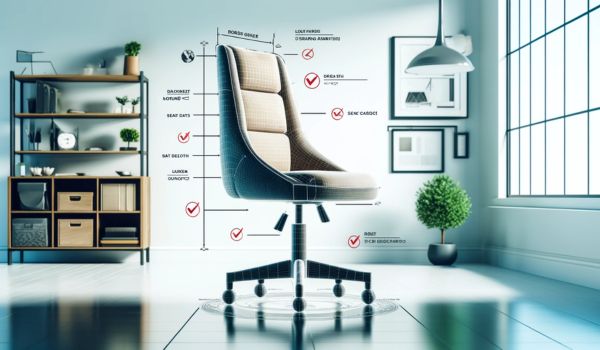
When eyeing that dining chair to double as an office seat, several factors need to be weighed to ensure it’s up to the task. The sturdiness of the chair is paramount; it must withstand regular use and the shifting weight as you move. Size also plays a critical role—too big and it might not fit your desk setup; too small, and it could be uncomfortable for extended use.
The material of the chair affects its durability and comfort, with options ranging from wood and metal to plastic.
Considering the common types of dining chairs, not all are suited for office conversion. Traditional wooden chairs can be sturdy and stylish but may lack the necessary comfort without modifications. On the other hand, modern designs that feature more cushioning and adjustable components might be easier to transition into office use.
Ergonomic Considerations for a DIY Office Chair
Understanding ergonomics is crucial when converting a dining chair into an office chair. An ergonomic office chair usually features adjustability, adequate lumbar support, and armrests—all essential for maintaining good posture and comfort during long hours of work.
To determine if your dining chair can meet these ergonomic needs, start by assessing the height and support it offers. The chair should allow your feet to rest flat on the floor while keeping your knees at an angle of approximately 90 degrees. If the chair lacks lumbar support, consider adding a cushion to help maintain the natural curve of your spine. Armrests are trickier; if your chair doesn’t have them, you might need to get creative with DIY solutions or assess whether you can work comfortably without them.
Materials Needed for the Conversion
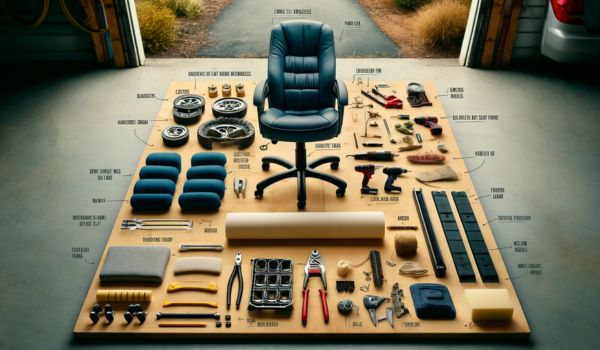
Before you embark on your project to make a dining chair into an office chair, gathering the right tools and materials is essential. Here’s what you’ll need to ensure a smooth transformation:
Necessary Tools
- Screwdrivers: Essential for assembling and disassembling parts.
- Drill: For creating holes, particularly useful if you’re adding components like casters.
- Staple Gun: A must-have for affixing fabric tightly over cushioning.
- Measuring Tape: To measure spaces accurately for a perfect fit.
- Scissors or Fabric Cutter: For cutting upholstery fabric and foam padding.
Types of Materials Required
- Foam Padding: To enhance comfort on the seat and backrest.
- Upholstery Fabric: Choose a durable and appealing fabric to cover the foam.
- Casters: Necessary for adding mobility to the chair.
- Adjustment Mechanisms: For features like height or tilt adjustments.
Sources for Purchasing Materials
Materials and tools can be sourced from local hardware stores or online marketplaces. Websites like Amazon, eBay, or local fabric stores often have a wide range of options. For specialized components like ergonomic adjustment mechanisms, suppliers like McMaster-Carr or even office furniture outlets might be necessary.
Related Post
Step-by-Step Guide to Conversion
Transforming your dining chair into an office chair involves a series of steps, each crucial to achieving both comfort and functionality.
Adding Cushioning
- Remove Existing Upholstery (if any): Carefully take off the old fabric and padding.
- Cut New Foam to Size: Measure and cut the foam padding to fit the seat and backrest.
- Attach Foam Padding: Use spray adhesive to secure the foam to the chair.
- Cover with Upholstery Fabric: Drape your fabric over the foam, pulling it taut.
- Secure Fabric with Staple Gun: Staple the fabric to the underside of the chair, ensuring it is tight and even.
Installing Adjustable Mechanisms
- Select the Right Mechanism: Depending on your chair’s design, choose a suitable height or tilt adjustment mechanism.
- Attach the Mechanism: Follow the manufacturer’s instructions to install, which might involve drilling into the chair base.
Attaching Casters
- Prepare the Chair Legs: If your chair has wooden legs, you may need to install a base that can hold casters.
- Install the Casters: Attach the casters to the new or existing base, securing them with screws.
Optional Modifications
- Adding Armrests: Attach armrests either by securing them directly to the sides of the chair or by installing a bracket system.
- Additional Lumbar Support: If more support is needed, consider adding a separate lumbar cushion that can be attached with straps or velcro.
By following these steps, you can transform an ordinary dining chair into a fully functional office chair that not only looks great but also supports your posture during long work hours.
Styling Your New Office Chair
Now that you’ve converted your dining chair into an office chair, it’s time to give it a personal touch that complements your office decor. Styling is not just about aesthetics; it’s about creating an environment that stimulates creativity and enhances productivity.
Tips for Choosing Fabrics and Materials
- Coordinate with Office Colors: Select upholstery fabric that matches or complements the existing color scheme of your office.
- Consider Durability: Opt for materials that can withstand daily use, like microfiber, leather, or heavy cotton.
- Texture and Pattern: Add a touch of sophistication with textured fabrics or a bold statement with patterned materials that can hide stains and wear.
Ideas for Customizing the Look of the Chair
- Paint the Frame: Give the chair a fresh look by painting the frame in a color that stands out or blends with your office decor.
- Add Decorative Elements: Consider adding decorative nails or piping along the edges of the upholstery for a more finished and custom appearance.
- Mix and Match: Use contrasting colors for the seat and backrest or different materials for a contemporary look.
Safety Checks and Maintenance
Ensuring your newly modified office chair is safe and keeping it in good condition are crucial for extending its life and functionality.
How to Ensure the Modified Chair is Safe to Use
- Stability Test: Regularly check that all screws and fittings are tight and that the chair does not wobble.
- Weight Capacity: Verify that the chair, especially if it includes new components like casters or an adjustable base, can support your weight safely.
- Inspection of Components: Examine casters, adjustment mechanisms, and armrests periodically to ensure they are functioning properly without any signs of wear or damage.
Maintenance Tips to Keep the Chair in Good Condition
- Regular Cleaning: Wipe down the chair with appropriate cleaners for the type of material used. For fabric upholstery, vacuum regularly to remove dust and allergens.
- Immediate Stain Removal: Attend to spills on fabric immediately to prevent stains from setting.
- Lubricate Moving Parts: If your chair has swivel capabilities or adjustable components, lubricate them occasionally to maintain smooth operation.
By focusing on both style and safety, your new office chair will not only be a centerpiece of your workspace but also a comfortable and safe seating option that reflects your personal style and enhances your productivity.
Case Studies and Examples
Many enthusiasts have successfully transformed their ordinary dining chairs into stylish and functional office chairs. Here are a couple of real-life examples:
Example 1: The Vintage Revival
- Before: A classic wooden dining chair with a worn-out seat and no armrests.
- After: The chair was revitalized with new foam padding, a vibrant red velvet fabric for the upholstery, and sleek black armrests. The addition of a swivel base and casters transformed it into a practical office chair with a vintage charm.
Example 2: Modern Minimalist Makeover
- Before: A simple, modern dining chair made from molded plastic.
- After: After adding a cushioned seat covered in a high-quality faux leather and installing a height-adjustable mechanism, the chair became a minimalist yet comfortable office chair suitable for long working hours.
These transformations not only saved money but also allowed for a creative outlet to design a unique piece of furniture that added character and comfort to the office.
Conclusion
Converting a dining chair into an office chair offers numerous benefits—it’s cost-effective, promotes recycling, and gives you the chance to create a piece of furniture that’s both unique and personal.
This project is not just about crafting a new office chair; it’s about injecting personality and style into your workspace.
Whether you’re a seasoned DIYer or a novice looking to start a new project, customizing your own office chair can be a rewarding endeavor. Embrace the challenge and make your office space truly your own!
Frequently Asked Questions
Can I use a dining chair as an office chair?
While you can use a dining chair as an office chair, it may not provide the necessary support for extended periods of desk work. Office chairs are specifically designed for comfort and posture support during long hours of use.
How to convert a chair to an office chair?
To convert a dining chair into an office chair, consider adding a cushion for comfort and attaching casters to the legs for mobility. Additionally, using adjustable back supports can help improve ergonomics.
How to make a dining chair ergonomic?
Making a dining chair ergonomic involves adding a supportive seat cushion and a lumbar support pillow. Adjust the chair’s height by using a seat cushion if needed, and ensure your feet rest flat on the floor.
What is the difference between a desk chair and a dining chair?
The main difference between a desk chair and a dining chair is the design focus. Desk chairs are optimized for long sitting periods, featuring adjustable settings and ergonomic support, unlike most dining chairs.
Can I use dining table as office desk?
Yes, you can use a dining table as an office desk. Ensure the height is appropriate for your seating and that you have enough space for your work essentials.
Can you use a dining room as an office?
Certainly, a dining room can be converted into an office space. Ensure there is sufficient lighting, minimal distractions, and adequate storage solutions to create an effective work environment.
Julie D. Williams is a seasoned chair connoisseur with a decade in the furniture realm. She combines her keen eye for design and deep knowledge of ergonomics to provide readers with reviews and guides, ensuring comfort and style in every recommendation. Each piece is a fusion of aesthetics and function, tested and approved by Julie. A believer in the power of the perfect seat to transform spaces, she’s your go-to source for impeccable finds. When not reviewing chairs, Julie is on the hunt for vintage décor, weaving comfort and beauty into every aspect of life.
In this guide, we’ll explore the different types of office chairs and armrests commonly encountered, paving the way for a safe and efficient removal process.
Safety and Preparation Before You Start
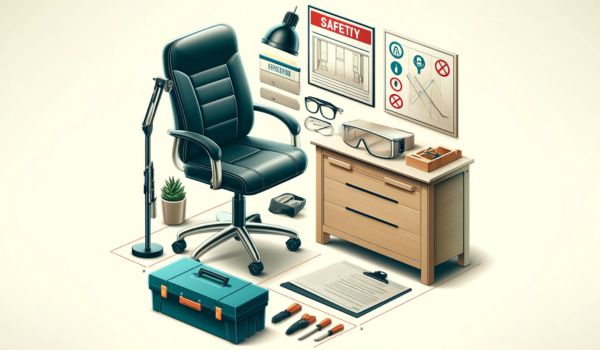
Embarking on the task of removing the armrests from your office chair requires a bit more than just enthusiasm. It’s crucial to start by thoroughly reading the manufacturer’s instructions—this can’t be overstated.
Each chair model has its specific assembly and disassembly methods which, if not followed, could lead to damage or a frustrating experience.
Necessary Tools for the Job
Before you dive in, ensure you have the right tools on hand. Typically, a set of screwdrivers (both Phillips and flat-head) and a wrench or an Allen key are necessary. These tools will help you loosen and remove the bolts or screws that secure the armrests to the chair.
Precautions to Avoid Injury
Safety first! Make sure the chair is stable before you begin working on it. It’s wise to perform this task on a flat, uncluttered surface to prevent the chair from shifting unexpectedly. Also, consider wearing protective gloves to safeguard your hands from sharp edges or small components.
Setting Up Your Workspace
Choosing an ideal spot for this undertaking is as important as having the right tools. A spacious area will give you ample room to maneuver around the chair. To protect your flooring and the chair itself from scratches, lay down a soft cloth or a piece of carpet where you’ll be working.
This setup not only prevents damage but also keeps screws and bolts from rolling away.
Identifying the Type of Armrest
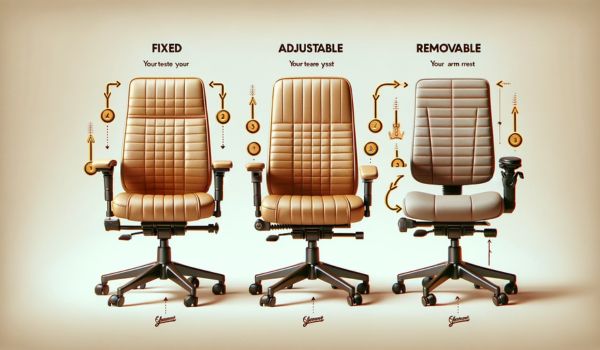
Recognizing the type of armrest on your office chair is the first step in determining the best approach for removal. Armrests can vary widely, not just in comfort and aesthetics but also in their structural design and attachment to the chair. Here’s a breakdown of the most common types you’ll encounter.
Fixed Armrests
Fixed armrests are typically bolted or welded directly to the frame of the chair, offering a sturdy and non-adjustable support. The main characteristic of these armrests is their immobility—they do not offer any mechanism for adjustment, which can be a downside for those seeking flexibility.
Challenges in Removal
The primary challenge with removing fixed armrests lies in their secure attachment. If bolts are used, they may require specific tools like wrenches or Allen keys to remove. When welded, professional tools or assistance might be necessary, as this type is not designed to be detachable by the user.
Adjustable Armrests
Adjustable armrests, unlike their fixed counterparts, come with various mechanisms that allow for height, width, or even angle adjustments. This flexibility can significantly enhance comfort and ergonomic support.
Differences in Removal
The removal process for adjustable armrests can differ greatly from fixed armrests due to their complex mechanisms. Typically, adjustable armrests are attached with screws and can be detached by loosening these screws. The process is usually straightforward but requires careful handling to avoid damaging the adjustment mechanism.
Special Types of Armrests
Some office chairs feature less common armrest designs that cater to specific needs, such as flip-up and retractable armrests.
Flip-Up Armrests
Flip-up armrests are hinged to allow the armrest to be flipped vertically when not in use or when more seat accessibility is required. These are particularly useful in collaborative workspaces where mobility and space maximization are crucial.
Retractable Armrests
Retractable armrests can slide in or out based on the user’s preference, providing a customizable arm position that can be adapted to various tasks or user body sizes.
Understanding these differences not only aids in the removal process but also helps in maintaining the functionality and longevity of the chair. Each type of armrest offers unique benefits and challenges, and knowing which type you’re working with ensures a smoother customization of your workspace.
Related Post
Step-by-Step Removal Process
When you’re ready to alter your office chair by removing the armrests, it’s essential to approach the task methodically. This section will guide you through the tools and steps required for each type of armrest, ensuring you can proceed with confidence and care.
Tools and Materials Needed
The tools required can vary slightly depending on the type of armrest, but here’s a general list to get you started:
- Screwdrivers: A set including both Phillips and flat-head screwdrivers.
- Wrench or Allen Key: Needed for bolts that are typically found on fixed armrests.
- Protective Gloves: To keep your hands safe from sharp edges and debris.
- Soft Cloth or Padding: To protect the floor and the chair from damage during the process.
- Pliers: Useful for removing any clips or pins.
Removing Fixed Armrests
Step-by-Step Guide:
- Prepare Your Workspace: Lay down a soft cloth or padding and place the chair on it.
- Locate the Bolts or Screws: Check where the armrests are attached to the seat or backrest.
- Loosen the Bolts: Using the appropriate wrench or Allen key, carefully loosen and remove the bolts. Keep all hardware in a safe place.
- Detach the Armrest: Once all bolts are removed, gently lift the armrest away from the chair frame.
- Inspect and Clean: Look at the areas where the armrests were attached for any sharp edges or debris, and clean accordingly.
Removing Adjustable Armrests
Detailed Instructions:
- Preparation: As with fixed armrests, prepare your workspace with a soft surface.
- Access the Adjustment Mechanism: Identify the mechanism used for adjustment, typically involving a screw or lever.
- Unfasten Screws or Levers: Use a screwdriver to loosen any screws. If levers are present, they may need to be turned or moved to release the armrest.
- Remove the Armrest: Carefully slide or lift the armrest off the chair, paying attention not to damage the adjustment mechanism.
- Clean the Area: After removal, clean any exposed parts of the chair where the armrest was connected.
Handling Special Cases
Instructions for Unique Armrest Designs:
- Flip-Up Armrests:
- Identify the hinge or pivot point.
- Check for a locking mechanism that may need to be released.
- Gently flip the armrest up and check for any screws or bolts that secure it in place. Remove these to detach the armrest.
- Retractable Armrests:
- Extend the armrest to its fullest to expose the attachment points.
- Unscrew or unfasten any connections using the appropriate tools.
- Slide the armrest out of its mount or track, being cautious of any wires or mechanisms.
By following these detailed steps for each type of armrest, you can successfully modify your office chair to better meet your needs, whether it’s for comfort, space, or aesthetics. Remember to handle all parts with care to maintain the integrity and functionality of your chair.
Post-Removal
After you’ve successfully removed the armrests from your office chair, it’s important to ensure the chair remains in good condition and safe to use. This next section will guide you through inspecting the chair for any potential issues and how to address any residual signs of the armrests.
Inspecting the Chair
Checking for Damage
- Examine the Frame: Look at where the armrests were attached. Check for any cracks, sharp edges, or structural weaknesses that may have been caused by the removal process.
- Assess Exposed Parts: With the armrests gone, some parts of the chair might now be exposed. Make sure there are no protruding screws or rough patches that could snag clothing or scratch skin.
Finishing Touches
Covering Leftover Holes or Marks
- Use Plugs or Caps: You can find plugs or decorative caps that fit into the leftover holes, which not only cover them up but can also prevent dust from collecting.
- Touch-Up Paint: If there are scratches or exposed areas, a small touch-up with matching paint can help conceal these spots.
Maintaining the Chair Without Armrests
- Regular Checks: Periodically check the chair for any loose screws or weakening joints, especially around areas previously covered or supported by the armrests.
- Cleaning: Keep the chair clean, paying special attention to any new crevices or exposed areas where dust and debris might accumulate.
Alternatives to Removal
If you’re contemplating modifications to your chair but are unsure about removing the armrests completely, consider these alternatives that can enhance comfort without permanent changes.
Adjustments Instead of Removal
Improving Comfort with Adjustments
- Repositioning: Many chairs allow for the adjustment of armrest height, width, or angle. Experiment with different settings to find a configuration that offers optimal support and comfort.
- Adding Cushioning: If discomfort is an issue, try adding cushioned covers to the armrests to provide extra padding.
Replacement Options
Finding Suitable Replacements
- Upgraded Armrests: If the current armrests are not meeting your needs, look into replacing them with ones that offer better ergonomics or functionality, like padded or fully adjustable models.
- Consulting Manufacturers: Some manufacturers offer replacement armrests that are specifically designed to fit certain models of chairs, ensuring compatibility and ease of installation.
Exploring these alternatives can provide the benefits of a customized chair without the need to permanently remove any parts. Whether you choose to remove, adjust, or replace the armrests, each option has the potential to enhance your seating experience, contributing to better posture and comfort throughout your workday.
Conclusion
In this guide, we’ve explored the various aspects of how to remove armrests from an office chair, including safety and preparation, identifying the type of armrest, and the detailed removal process for different armrest designs.
We also discussed how to inspect and finish the chair post-removal, and alternatives to removal such as adjustments and replacements. Removing or adjusting armrests can significantly enhance ergonomic comfort by allowing for a more tailored fit to individual needs, improving accessibility, and potentially alleviating discomfort caused by poorly positioned armrests.
Whether you choose to remove, adjust, or replace, modifying armrests is a viable option for optimizing your workspace for better posture and comfort.
Frequently Asked Questions
How to remove office chair arm rest?
To remove an office chair armrest, first check for screws or bolts under the armrest. Use an appropriate screwdriver or wrench to loosen and remove these fasteners. Once removed, the armrest should come off easily.
Should I take the armrests off my chair?
Removing armrests from your chair can offer more freedom of movement and may be beneficial if they cause discomfort or restrict your seating position. Consider your personal comfort and the chair’s design.
How to remove armrest from Aeron chair?
To remove an armrest from an Aeron chair, locate the screws at the base of the armrest. Use an Allen wrench to unscrew these. Carefully pull the armrest away from the chair frame once the screws are removed.
How to adjust office chair arm rest?
Adjusting an office chair armrest typically involves loosening a knob or lever under the armrest to allow movement. Adjust the height and width to your comfort, then tighten the knob or lever to secure it in place.
Are armrests necessary for office chair?
Armrests are not essential for an office chair but can provide significant comfort and support, reducing shoulder and wrist strain. Their necessity largely depends on personal preference and ergonomic needs.
Can you disassemble an office chair?
Yes, you can disassemble an office chair. Start by removing adjustable components like the armrests and backrest. Use tools like screwdrivers or wrenches to detach parts held by screws or bolts. Ensure to keep track of all components for reassembly.
Julie D. Williams is a seasoned chair connoisseur with a decade in the furniture realm. She combines her keen eye for design and deep knowledge of ergonomics to provide readers with reviews and guides, ensuring comfort and style in every recommendation. Each piece is a fusion of aesthetics and function, tested and approved by Julie. A believer in the power of the perfect seat to transform spaces, she’s your go-to source for impeccable finds. When not reviewing chairs, Julie is on the hunt for vintage décor, weaving comfort and beauty into every aspect of life.
AFib affects millions worldwide, characterized by an irregular and often rapid heart rate that can lead to blood clots, stroke, and heart failure. Understanding both these elements—the soothing allure of massage chairs and the critical nature of AFib—is essential in answering our central question.
Understanding Massage Chair Mechanics

Massage chairs are not just fancy recliners; their design is a testament to advanced engineering, intended to mimic hands of a masseuse with precision and consistency. They utilize a combination of motors, gears, and rollers to create movements that can knead, roll, and tap the stress right out of your muscles. The vibrations, particularly, are often the focus of health inquiries.
These vibrations are designed to stimulate muscle fibers and improve blood circulation, potentially offering a cascade of wellness benefits.
But who uses these vibrating thrones of relief? Typically, you’ll find a diverse demographic—from the elderly seeking relief from chronic pain, to athletes needing muscle recovery, to the average person needing a moment of escape from the stress of daily life. This wide usage underscores the importance of understanding how these mechanical relaxants interact with specific health conditions like AFib.
Atrial Fibrillation (AFib): Causes and Triggers
Turning our focus to AFib, this condition is not just about an irregular heartbeat; it’s about an electrical storm in the heart that disrupts the normal flow of electrical impulses. Symptoms might include palpitations, fatigue, and shortness of breath, presenting not just discomfort but significant risk. The triggers for AFib are varied—ranging from high blood pressure and heart disease to excessive alcohol use or even stress.
Given these triggers, it’s reasonable to question if the vibrations from a massage chair could also be a potential risk. The hypothesis is that if vibrations can affect muscle and blood flow, might they also affect the heart’s rhythm? While comprehensive studies are limited, the personal accounts and preliminary data suggest a nuanced relationship between external vibrations and heart rhythm stability.
More research is needed to draw definitive conclusions, but it’s clear that individuals with AFib should approach the use of vibrating massage chairs with caution, consulting healthcare providers to tailor their relaxation practices safely.
This exploration into whether a vibrator on a massage chair can trigger AFib reveals a complex interplay between modern relaxation technologies and cardiac health. As massage chairs continue to evolve and integrate more sophisticated technologies, ongoing research will be crucial in ensuring that these tools can be safely enjoyed by all, regardless of their heart health.
Mechanisms of Action: Can Massage Chair Vibrations Trigger AFib?

The investigation into whether massage chair vibrations can influence heart rhythms takes us into a more scientific domain, examining the body’s response to external stimuli. Several studies have explored how vibrations, in general, affect the human body, particularly focusing on occupational exposure to vibrations and their cardiovascular impacts.
The theory is that vibrations could potentially alter blood flow and stress levels, thereby influencing the cardiovascular system’s stability.
The heart’s electrical activity is susceptible to various external and internal factors, and understanding how mechanical vibrations interact with this activity requires a nuanced approach. For individuals with a predisposition to AFib or other heart conditions, the introduction of a consistent, rhythmic pressure could theoretically pose a risk. This aspect of the research is crucial as it considers the variability in individual health backgrounds—what might be a non-issue for a healthy person could be a trigger for someone with underlying cardiovascular vulnerabilities.
Related Post
What You Need to Know About Pacemakers and Massage Chairs
Clinical Evidence and Expert Opinions
Moving from theoretical and mechanistic studies to more concrete evidence, the clinical research focusing specifically on the link between massage chair vibrations and AFib remains limited. However, general research into vibration exposure and heart rhythm abnormalities provides some foundational insights.
These studies often measure immediate responses to vibration exposure, such as changes in heart rate variability (HRV), which is a common indicator of cardiac autonomic regulation.
Cardiologists and other medical professionals emphasize the importance of personalized medical advice when considering the use of massage chairs by individuals with AFib. Expert opinions suggest that while there is no conclusive evidence directly linking massage chair use to AFib episodes, caution is advised.
Medical professionals recommend that patients with any history of heart rhythm abnormalities consult with their healthcare provider before using such devices.
The conversation about massage chairs and their safety for those with AFib integrates both sparse clinical data and broader medical advice. The consensus underscores the importance of individual health assessments and tailored recommendations in the context of using therapeutic technologies like massage chairs.
User Experiences and Anecdotal Evidence
The quest to understand whether massage chair vibrations can trigger AFib has led many to share their personal experiences, which form a significant part of our understanding. Anecdotal reports from individuals with AFib who use massage chairs reveal a spectrum of outcomes. Some users report no adverse effects and note the relaxation benefits of their massage chair, while others describe episodes that they attribute to their massage chair use, particularly during or shortly after using the vibration features.
Online forums and support groups for those with AFib have become valuable resources for gathering firsthand accounts. In these digital communities, members often share their experiences, offering insights into how their bodies react to various stimuli, including massage chair vibrations.
These narratives, while not scientifically rigorous, provide a real-world glimpse into the lives of those affected by AFib and how they manage their condition with or without a massage chair.
Mitigation Strategies and Safety Precautions
Given the mixed experiences and the lack of definitive clinical evidence, individuals with AFib should consider several recommendations and safety guidelines if they are contemplating the use of a massage chair:
- Consultation with Healthcare Providers: Before using a massage chair, it’s crucial for individuals with AFib to consult their cardiologist or primary care physician. A medical professional can assess personal risk factors and potentially recommend an echocardiogram or other monitoring tools to evaluate the heart’s response to vibrations.
- Starting Slowly: For those cleared by their doctors, beginning with short sessions on low settings can help gauge the heart’s response to the chair’s vibrations. Monitoring any changes in heart rhythm or unusual symptoms during these initial trials is important.
- Avoiding High Vibration Settings: If a particular vibration intensity or pattern seems to correlate with discomfort or palpitations, it may be wise to avoid these settings. Using the chair for its non-vibrating features, such as heat or reclining functions, might still provide relaxation benefits without the risks.
- Having a Plan: Knowing the signs of an AFib episode and having a plan in place for managing one is crucial. This includes having easy access to emergency medication and maintaining communication with a healthcare provider in case symptoms are triggered during or after using the massage chair.
- Regular Reviews and Adjustments: As conditions and sensitivities can change over time, regularly reviewing and adjusting how one uses a massage chair is advisable. Feedback from ongoing cardiological assessments may necessitate modifications to how often and in what manner the chair is used.
By adopting these mitigation strategies and safety precautions, individuals with AFib can better manage their condition while potentially enjoying the benefits of a massage chair. These guidelines help bridge the gap between enjoying modern conveniences and managing a complex cardiac condition responsibly.
Regulatory Considerations and Industry Standards
The regulatory framework for massage chair manufacturers primarily focuses on general safety and consumer protection, but specific guidelines concerning potential health impacts like triggering AFib are less developed. Current standards ensure that these devices meet basic electrical safety and mechanical integrity requirements.
However, there is no specific mandate that addresses their use by individuals with heart conditions such as AFib.
Looking forward, there is a compelling case for the industry to conduct more in-depth research and develop detailed guidelines. This could involve collaborating with medical researchers to study the effects of massage chair vibrations on various cardiac conditions, leading to clearer safety labels and usage recommendations. Enhancing regulatory standards could also include creating a certification process for massage chairs designed as safe for individuals with known heart conditions.
Conclusion
Throughout this exploration of whether massage chair vibrations can trigger AFib, we’ve delved into mechanical understandings, clinical evidence, personal testimonies, and safety considerations.
The key takeaway is that while there is no definitive evidence linking massage chair use to AFib triggers, caution is advised for those with the condition. Given the varying individual responses and the serious nature of AFib, personalized medical consultation is recommended.
There is a clear need for further research to deepen our understanding of how these popular relaxation tools might affect those with sensitive cardiac conditions. This knowledge will not only improve user safety but also guide future innovations in massage chair technology.
Frequently Asked Questions
What is the biggest trigger for atrial fibrillation?
The most significant trigger for atrial fibrillation is often heart-related issues, such as hypertension or coronary artery disease, but stress, alcohol consumption, and caffeine can also contribute.
Is massage contraindicated for AFib?
Massage is not generally contraindicated for those with atrial fibrillation, but it is crucial to consult a healthcare provider before beginning any new treatment or therapy.
Is massage chair good for heart patients?
Massage chairs can benefit heart patients by reducing stress and improving circulation. However, it’s important to get approval from a healthcare provider, as individual conditions vary.
What should you not do with AFib?
With AFib, it’s advisable to avoid excessive alcohol and caffeine intake, high-intensity exercise, and stress-inducing situations to manage symptoms better and avoid exacerbating the condition.
Julie D. Williams is a seasoned chair connoisseur with a decade in the furniture realm. She combines her keen eye for design and deep knowledge of ergonomics to provide readers with reviews and guides, ensuring comfort and style in every recommendation. Each piece is a fusion of aesthetics and function, tested and approved by Julie. A believer in the power of the perfect seat to transform spaces, she’s your go-to source for impeccable finds. When not reviewing chairs, Julie is on the hunt for vintage décor, weaving comfort and beauty into every aspect of life.
Let’s dive into the intricacies of this issue, looking at both common back problems associated with posture and the role of recliners in our daily unwind rituals.
Understanding the Basics

A recliner, essentially, is an armchair or sofa that reclines when the occupant lowers the chair’s back and raises its front. It features a backrest that can be tilted back, and often a footrest that can be extended by means of a lever on the side of the chair, or can extend automatically when the back is reclined.
This design invites us to kick back literally and figuratively, often becoming our go-to spot for everything from reading to binge-watching.
Anatomy and Ergonomics
Understanding how recliners affect our posture starts with a basic grasp of the anatomy involved. The human back and spine are complex structures, consisting of vertebrae, discs, nerves, muscles, and ligaments. Proper alignment and support are crucial to maintaining the health of these components. Ergonomics, the science of designing the workplace and home environments for optimum comfort and efficiency, has principles that apply directly to how we sit.
Recliners alter the natural alignment of the spine by encouraging a tilted position, which can relieve or exacerbate back pain, depending on various factors like the design of the chair and the individual’s specific health conditions.
Potential Benefits of Recliners

One of the primary attractions of recliners is undoubtedly their comfort and ability to facilitate relaxation. Many people find that sitting in a recliner with their feet up allows them to relieve stress after a hectic day. Beyond just comfort, recliners may also offer specific benefits for those with back problems or injuries.
For instance, the ability to adjust the angle of recline can help reduce pressure on the spine and alleviate pain in certain conditions such as sciatica or herniated discs.
In therapeutic settings, recliners play a crucial role. They are often used in recovery rooms post-surgery, aiding patients by supporting a safe and comfortable posture. The gentle recline can improve circulation and reduce the risk of pressure sores during long periods of recuperation.
Related Post
Potential Risks and Disadvantages
However, the story isn’t all rosy. Prolonged sitting, even in a recliner, can have detrimental effects on the back. Sitting in a recliner with your feet up for extended periods can lead to muscle stiffness, decreased mobility, and even chronic pain if the chair does not provide adequate support.
Specific concerns with some recliners include poor lumbar support and a forced curvature of the spine. These issues can exacerbate back problems over time rather than alleviate them.
Moreover, recliners with poor ergonomic design can introduce new health risks. If a recliner does not align well with the natural curve of the spine, it can lead to improper posture and eventually result in musculoskeletal issues.
Comparative Analysis
When compared to other types of seating like office chairs or couches, recliners offer unique advantages and drawbacks. Office chairs, especially those designed with ergonomics in mind, provide better lumbar support and encourage proper posture, essential for those spending long hours at a desk.
Couches, while comfortable for short periods, typically do not offer the adjustable features necessary for tailored back support.
Differences in recliners themselves can also significantly impact back health. Recliners with better ergonomic features, such as adjustable lumbar support, customizable recline angles, and high-quality, supportive cushioning, can provide substantial benefits over their less sophisticated counterparts. Thus, choosing the right type of recliner is crucial for those concerned about the health of their back and overall posture.
Expert Opinions and Studies
The debate over whether sitting in a recliner with your feet up is bad for your back garners varied opinions from healthcare professionals. Chiropractors, physical therapists, and orthopedists often weigh in on this issue based on their clinical experiences and existing research.
Insights from these experts typically emphasize that while recliners can offer significant relief from back pain for some individuals, they might exacerbate issues for others, depending on the underlying condition and the type of recliner used.
Recent studies exploring the impact of recliners on back health highlight the importance of supportive seating. Research indicates that recliners that provide good lumbar support and allow for position variability can help reduce stress on the spine, particularly in people recovering from back surgeries or injuries. However, other studies suggest that prolonged use of poorly designed recliners may lead to increased back pain due to enforced unnatural spinal curvatures and weakened muscle tone.
Related Post
Guidelines for Choosing and Using a Recliner
When selecting a recliner, several features should be considered to ensure it is back-friendly:
- Adjustable Lumbar Support: This feature allows you to customize the support provided to the lower back, which can be crucial for preventing lumbar strain.
- Quality Recline Mechanism: A smooth, easily adjustable recline mechanism helps in finding a comfortable angle without straining.
- Firm, Supportive Cushioning: Soft cushions might feel comfortable initially but often fail to provide the necessary support for longer durations.
- Sturdy Construction: A well-built recliner will maintain its form and function over time, offering consistent back support.
To maximize the benefits and minimize the risks of using a recliner, consider these tips:
- Vary Your Position: Frequently changing your position can help prevent muscle stiffness and discomfort.
- Set Time Limits: Avoid long periods of sitting; get up and move around regularly to keep the blood flowing and muscles active.
- Use Additional Support: If your recliner lacks sufficient lumbar support, use a cushion or rolled-up towel to bolster the lower back area.
Lifestyle and Posture Tips for Reducing Back Pain
Incorporating general lifestyle and posture tips can also help mitigate back pain:
- Maintain a Healthy Weight: Excess body weight can increase stress on the back, particularly the lower spine.
- Exercise Regularly: Engaging in activities that strengthen the core muscles can provide better support for the back.
- Mind Your Posture: Whether sitting in a recliner or at a desk, maintaining good posture is crucial for back health. This includes keeping the feet flat on the floor, the back aligned against the back of the chair, and the knees at a right angle.
By integrating these strategies, individuals can enjoy the comfort of sitting in a recliner with their feet up without compromising their back health.
User Experiences and Case Studies
Personal stories and testimonials about recliners often reflect a wide spectrum of experiences concerning back health. Many users report significant relief from chronic back pain when using a recliner with well-designed ergonomic features. For instance, Jane, a retiree with chronic lower back pain, found that her recliner allowed her to relax comfortably without the pain she experienced in standard chairs.
However, there are also accounts like Tom’s, who noticed increased back discomfort after using a poorly designed recliner extensively during recovery from a sports injury.
Case studies also present a mixed picture. One study followed a group of post-operative patients who used recliners for recovery, finding that those who used recliners with adjustable support features had a quicker reduction in pain levels and better mobility compared to those in standard hospital chairs. Conversely, another case study highlighted issues such as worsened spinal alignment and increased pain from extended use of recliners without adequate lumbar support.
Conclusion
The discussion about whether sitting in a recliner with your feet up is bad for your back reveals a complex landscape of pros and cons. While recliners can offer substantial comfort and support, especially when tailored to individual needs with adjustable features, they can also pose risks if not chosen carefully or used excessively.
For individuals considering a recliner for back health, it is crucial to select a model with robust ergonomic support, particularly for the lumbar region, and to use the recliner in moderation as part of a broader approach to back care that includes regular movement and posture awareness.
Frequently Asked Questions
What is the healthiest way to sit in a recliner?
The healthiest way to sit in a recliner is to ensure your back is well-supported, the chair is reclined at a slight angle, and your feet can comfortably rest on the ground or footrest. Adjust the recliner to maintain the natural curve of your spine.
Are recliners bad for your lower back?
Recliners are not inherently bad for your lower back, especially if they provide good lumbar support and are used properly. Avoid prolonged periods in the same position to minimize strain on your lower back.
How do you sit in a recliner without hurting your back?
To sit in a recliner without hurting your back, maintain a slight recline that supports the spine’s natural curve. Use additional cushions for lumbar support if necessary and avoid slouching.
Can you elevate your legs in a recliner?
Yes, you can elevate your legs in a recliner. This is beneficial as it can reduce swelling and improve circulation. Ensure the elevation is comfortable and does not strain your lower back or thighs.
Julie D. Williams is a seasoned chair connoisseur with a decade in the furniture realm. She combines her keen eye for design and deep knowledge of ergonomics to provide readers with reviews and guides, ensuring comfort and style in every recommendation. Each piece is a fusion of aesthetics and function, tested and approved by Julie. A believer in the power of the perfect seat to transform spaces, she’s your go-to source for impeccable finds. When not reviewing chairs, Julie is on the hunt for vintage décor, weaving comfort and beauty into every aspect of life.
In this article, we dive deep into the intricacies of how to use recliner chairs in theaters effectively, ensuring every movie-goer gets the most out of their cinematic experience.
Understanding Recliner Chairs in Theaters
What is a Recliner Chair in a Theater?
A recliner chair in a theater is a seat designed to provide maximum comfort by allowing the user to lean back and elevate their feet, all with the simple push of a button. These chairs are typically padded and upholstered, offering more space and privacy than traditional theater seating.
The Evolution of Seating in Theaters
The evolution from stiff, fold-down seats to plush, adjustable recliners marks a significant improvement in how audiences experience movies. Originally, theaters aimed to maximize seating, but the focus has shifted towards enhancing viewer comfort, potentially increasing audience satisfaction and return visits.
Pre-Visit Preparations for Recliner Seating
Locating Theaters with Recliner Chairs
To begin your experience on how to use recliner chair in theatre, start by finding local cinemas that offer recliner seating. Most major theater chains now provide this option, and their websites typically highlight auditoriums featuring these luxurious chairs.
Booking the Best Recliner Seats
When planning how to use recliner chair in theatre, consider the location of the seat. Middle seats in the upper rows often provide the best view and sound. Booking tickets in advance is crucial as these premium spots tend to fill up quickly.
Accessibility and Special Needs
It’s important to understand how to use recliner chair in theatre for everyone, including those with special needs. Many theaters equipped with recliner chairs also offer accessible seating options and accommodations to ensure everyone enjoys the show comfortably and safely.
At the Theater: Arrival and Check-In Process

Upon arriving at the theater, understanding how to use recliner chair in theatre starts right from the check-in process. Typically, you’ll be greeted at a designated area where tickets are scanned. Some theaters with advanced recliner seating might have automated kiosks for ticket collection and seat confirmation, streamlining the process and reducing wait times.
Locating Your Seat and Navigating Recliner Sections
Once inside, locating your recliner seat is crucial. Theaters often provide clear signage and sometimes even staff assistance to guide you to the right section. Recliner sections are usually distinctly marked, and aisles are wider to accommodate the extended recline feature of the chairs.
Related Post
Using the Recliner Chair
Step-by-Step Instructions on Operating the Recliner Chair
To begin your recliner experience, you’ll typically find a button or a panel on the side of the chair. Pressing the button will activate the recline mechanism, allowing you to adjust the position smoothly.
Adjusting the Backrest and Footrest
While exploring how to use recliner chair in theatre, adjusting the backrest and footrest is straightforward—continue pressing the control until you find your optimal position. It’s designed to cater to a range of preferences, from slight tilts to full reclines.
Controlling Additional Features
Modern recliner chairs in theaters often come with added luxuries such as heating, massage options, and swivel trays. These features are usually controlled via additional buttons on the chair’s panel. Experimenting with these during previews is a great way to get comfortable before the movie starts.
Safety Tips While Using the Recliner Chair
Ensure that your belongings are secure and not obstructing any moving parts of the chair to avoid damages or injuries. Keep drinks in holders and small items secure to prevent them from falling into the chair’s mechanisms.
Etiquette and Courtesy Considerations
Understanding how to use recliner chair in theatre also involves respecting others’ space and enjoyment. Avoid abrupt reclining and be mindful of the noise level, such as from the chair’s controls or your personal activities during the movie.
Related Post
Enhancing the Experience
Suggested Accessories to Bring
To maximize comfort while figuring out how to use recliner chair in theatre, consider bringing a small blanket or an extra cushion for added support. These items can enhance comfort without infringing on the space or comfort of others.
Concessions and Food Recommendations
Most theaters offer a range of snacks that are easy to manage in a recliner setting, such as popcorn, nachos, or boxed candies. Beverages come with secure lids to reduce the risk of spills, especially when adjusting in your recliner seat.
Special Features of Recliner Chairs in Theaters
Unique Features Enhancing Comfort and Convenience
Recliner chairs in theaters are not just about comfort; they’re about a premium experience. Some theaters offer recliner chairs with memory foam seats that conform to your body shape, providing unparalleled comfort during long screenings. Personal lighting features allow for enough visibility to manage your space without disturbing the immersive darkness ideal for movie watching. Additionally, USB charging ports are a thoughtful addition, enabling patrons to charge their devices and stay connected.
Impact on the Viewing Experience
These features significantly enhance the viewing experience by combining luxury with convenience, ensuring that patrons can enjoy the movie in utmost comfort. The personal lighting and charging ports add a layer of personal space management that is highly valued in public settings.
Maintenance and Cleaning of Recliner Chairs
Theater Maintenance Practices
Theaters are tasked with the regular maintenance and cleaning of recliner chairs to ensure they provide a hygienic and fully functional experience. This typically involves vacuuming the seats, wiping down surfaces with sanitizers, and checking the mechanical parts for any signs of wear or failure.
Role of Patrons in Maintaining Cleanliness
Patrons can contribute to the cleanliness and functionality of recliner chairs by handling the features gently and reporting any issues promptly. Avoiding spills and keeping the area tidy also helps maintain the overall quality of the theater environment.
Common Issues and Troubleshooting Recliner Chairs
Typical Problems and Solutions
Common issues with recliner chairs in theaters might include stuck footrests, non-responsive control panels, or intermittent functionality of added features like heating. Checking if the control is properly connected or resetting the chair can often resolve minor issues.
Assistance During Movie Showings
If problems persist, contacting a theater attendant promptly is advisable. Most theaters have staff on hand specifically to deal with such issues, ensuring minimal disruption to your movie experience.
Conclusion
Recliner chairs in theaters represent a leap forward in cinematic experiences, offering comfort that can significantly enhance your movie-going enjoyment. From the plush memory foam seats to the convenience of USB ports and personal lighting, these features make a considerable difference.
If you haven’t yet experienced the luxury of watching a movie in a recliner chair, consider choosing this option for your next theater visit. It’s an investment in comfort that can transform how you experience films, making every showing a special event.
Frequently Asked Questions
How do you use a recliner chair?
To use a recliner chair, simply lean back while pressing the armrest or pulling the lever to release the footrest. Adjust the backrest and footrest to your comfort level.
What is the proper way to sit in a recliner?
Sit back against the seat, ensuring your back aligns well with the backrest. Extend the footrest for added comfort, keeping your feet elevated slightly.
What is recliner seat in Theatre?
A recliner seat in a theatre is a luxurious chair designed to enhance viewer comfort by allowing you to adjust the back and leg positions during a movie.
What are the benefits of recliner seats in PVR?
Recliner seats in PVR cinemas provide superior comfort, ample personal space, and a better viewing angle, enhancing the overall movie experience.
Julie D. Williams is a seasoned chair connoisseur with a decade in the furniture realm. She combines her keen eye for design and deep knowledge of ergonomics to provide readers with reviews and guides, ensuring comfort and style in every recommendation. Each piece is a fusion of aesthetics and function, tested and approved by Julie. A believer in the power of the perfect seat to transform spaces, she’s your go-to source for impeccable finds. When not reviewing chairs, Julie is on the hunt for vintage décor, weaving comfort and beauty into every aspect of life.
Let’s dive into the fascinating world of recliners, from their intriguing history to the mechanical components that let you kick back after a long day.
A Brief History of Recliner Chairs

The journey of the recliner chair is as rich and varied as its designs. Originating in the late 1920s, the first recliners introduced the concept of mechanical comfort to households. These early models were basic, employing simple mechanisms to adjust the chair’s back.
Over the decades, the evolution of recliner chairs has mirrored advancements in materials and mechanics, transforming them into the staple of comfort we know today.
Popularity and Usage in Modern Homes
Today, understanding how recliner chairs work also means looking at why they are so popular. Positioned prominently in living rooms across the globe, recliners have become synonymous with relaxation and style. They offer a personal retreat, a comfortable spot to watch TV, read a book, or simply unwind.
The integration of features like massage systems and heating pads has only widened their appeal and functionality in contemporary homes.
Design and Ergonomics
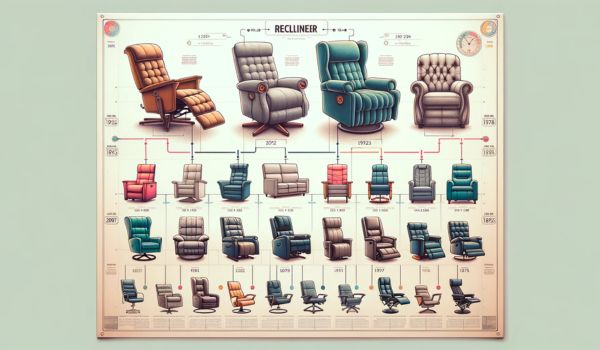
Basic Design Elements of a Recliner Chair
To fully grasp how recliner chairs work, it’s crucial to understand their design. Typically, a recliner features a sturdy frame made of wood or metal, providing the necessary structure and support. The seating is usually crafted with springs and webbing to enhance comfort and durability.
This combination not only supports a variety of body types but also ensures the recliner can withstand the rigors of repeated use.
Ergonomic Benefits of Using a Recliner
Recliners are designed with more than just comfort in mind; they are crafted to support the human body ergonomically. The ability to adjust the angle of the seat and extend the footrest provides significant benefits, such as reduced pressure on the spine and improved circulation. This makes recliners particularly beneficial for individuals with mobility issues or those seeking relief from daily stress and fatigue.
Types of Recliner Chairs Based on Design
From rocker recliners that soothe with a gentle rocking motion to wall-huggers designed for tight spaces, each type of recliner chair caters to specific needs and preferences. Lift chairs, equipped with a motorized mechanism that assists the user in standing up, are an excellent choice for elderly users. Each style incorporates unique features to accommodate various lifestyles and comfort requirements.
Mechanical Components
Key Mechanical Parts
Delving into the mechanical components helps further explain how recliner chairs work. The heart of any recliner is its frame and seating support. Frames are typically constructed from robust materials like hardwood or steel, while seating supports often use resilient springs or flexible webbing to provide a comfortable foundation.
The Reclining Mechanism
The core feature of any recliner is its reclining mechanism, whether manual or powered. Manual recliners operate via a lever or pull handle, allowing the user to recline by exerting a simple body movement. On the other hand, power recliners use electric motors controlled by buttons or remote controls, offering a seamless transition from upright to reclined.
Additional Features
Modern recliners often come equipped with additional features enhancing user experience. Swivel bases allow the chair to rotate freely, which is particularly useful in open living spaces. Adjustable headrests and lumbar supports provide customized comfort that adapts to the user’s body, ensuring optimal relaxation and support.
Related Post
Materials Used in Recliner Chairs
Types of Materials Commonly Used
To understand how recliner chairs work and their comfort levels, it’s crucial to consider the materials used. Upholstery options range from luxurious leather, which adds a touch of elegance and is easy to clean, to soft fabrics and durable microfibers that offer a variety of textures and colors. The choice of upholstery significantly affects the chair’s appearance and user experience.
Padding is another essential component, with materials like foam providing a firm yet comfortable cushioning, and polyester fibers offering a softer, more plush seating experience. These materials are pivotal not only in defining the comfort of the recliner but also in determining its durability and maintenance needs.
Importance of Material Choice in Comfort and Durability
The materials used in a recliner directly impact its longevity and the comfort it provides. High-quality materials might come at a higher cost but can significantly enhance the durability of the recliner. For instance, high-density foam retains its shape longer than cheaper alternatives, ensuring that the recliner remains comfortable and supportive over years of use.
Technological Advancements in Recliner Chairs
Integration of Technology in Modern Recliners
Modern recliners blend comfort with technology, incorporating features like built-in USB ports for charging devices, speakers for an immersive audio experience, and even heaters for added warmth. These technological enhancements not only improve functionality but also enhance the overall recliner experience, making it more convenient and enjoyable.
Touch Controls and Smart Home Connectivity
The integration of touch controls and smart home connectivity has transformed how recliner chairs work. These features allow users to adjust their recliners with minimal effort, using either a touchpad or voice commands through smart home systems. This connectivity brings a new level of convenience to personal relaxation, enabling adjustments without disrupting the comfort of your position.
Impact of Technology on the Functionality of Recliners
Technology has significantly expanded the functionality of recliner chairs, turning them from simple furniture pieces into multi-functional hubs that cater to the needs of modern lifestyles. Whether it’s listening to music, staying warm, or charging a phone, the modern recliner is designed to accommodate various activities while providing unparalleled comfort.
Related Post
Health and Comfort Considerations
Health Benefits of Using a Recliner
Recliner chairs offer numerous health benefits, including reduced back pain and improved circulation. The ability to adjust the reclining angle and leg elevation helps alleviate pressure on the spine and improves blood flow, which is particularly beneficial for those with mobility issues or chronic pain.
Possible Concerns
While recliners offer significant benefits, there are potential concerns to consider. For instance, the comfort of recliners can lead to prolonged periods of sitting, which might impact posture and overall health. Additionally, using a recliner that doesn’t properly support the body’s natural posture can lead to discomfort or even pain over time.
Maintenance and Care of Recliner Chairs
Tips on Maintaining Different Types of Recliner Chairs
Maintaining a recliner chair is essential to extend its lifespan and ensure it remains comfortable and functional. Regular cleaning of the upholstery, according to the material specifications, prevents buildup of dirt and debris. For leather recliners, using a conditioner periodically can keep the leather supple and prevent cracks. Fabric and microfiber chairs benefit from vacuuming and spot cleaning with appropriate cleaners.
Mechanical components require occasional lubrication to keep the reclining mechanism smooth. Checking and tightening any loose bolts or screws can also prevent structural issues and ensure safety.
Common Issues and Troubleshooting
Even with proper care, recliners can experience common issues such as a stuck mechanism or general wear and tear. For a stuck mechanism, checking for obstructions in the track or realigning the moving parts can often resolve the issue. Wear and tear on upholstery might be addressed with repair kits or professional refurbishing, while squeaking noises from the mechanism can typically be remedied with lubrication.
Market Trends and Consumer Preferences
Current Trends in Recliner Chair Designs and Features
The recliner market continues to evolve with trends focusing on both aesthetic appeal and functionality. Current designs often feature sleek, modern lines with minimalist influences, integrating seamlessly into contemporary decor. Technological advancements remain a significant trend, with features like wireless charging pads and voice-controlled adjustments gaining popularity.
Consumer Preferences and How They Have Shaped the Evolution of Recliners
Consumer preferences have dramatically shaped the evolution of recliner chairs, with a growing demand for multi-functional furniture that enhances lifestyle convenience. Preferences for eco-friendly materials and customizable features that adapt to individual needs are also influencing design innovations, reflecting a broader consumer awareness of sustainability and personalization.
Conclusion
Understanding how recliner chairs work is more than just knowing about a piece of furniture; it’s about appreciating a complex integration of design, technology, and ergonomics. As we look forward, the future of recliner chairs is poised for further innovation, particularly in adapting to the technological advancements and shifting consumer demands. The evolution of recliners will likely continue to focus on enhancing user comfort, health benefits, and integration into smart home ecosystems, ensuring that these chairs remain a central feature of home comfort and convenience.
Frequently Asked Questions
Is it OK to sleep in a recliner every night?
Sleeping in a recliner every night is generally safe for most people, especially those who find relief from health issues like back pain or GERD. However, it’s important to ensure proper support and comfort to avoid any posture-related problems.
How does a power recliner work?
A power recliner operates through an electric motor that controls the movement of the chair. With the push of a button, users can smoothly adjust the recliner’s position from upright to fully reclined without any physical effort.
Do recliners need electricity?
Manual recliners do not need electricity; they operate through levers or body pressure. However, power recliners require an electrical source to activate the motors that adjust the chair’s positions.
What is the proper way to sit in a recliner?
The proper way to sit in a recliner involves adjusting the chair to support your body ergonomically. Ensure that your feet touch the floor when sitting upright and that the backrest aligns and supports your spine comfortably.
Julie D. Williams is a seasoned chair connoisseur with a decade in the furniture realm. She combines her keen eye for design and deep knowledge of ergonomics to provide readers with reviews and guides, ensuring comfort and style in every recommendation. Each piece is a fusion of aesthetics and function, tested and approved by Julie. A believer in the power of the perfect seat to transform spaces, she’s your go-to source for impeccable finds. When not reviewing chairs, Julie is on the hunt for vintage décor, weaving comfort and beauty into every aspect of life.
However, beneath the surface comfort, these beloved chairs may pose significant risks to our back health.
Understanding the Anatomy of the Back

To grasp why recliners are bad for your back, it’s essential to start with the basics of back anatomy. The spine is a complex structure, designed to support the body’s weight and allow a range of movements. It’s made up of small bones called vertebrae, cushioned by intervertebral discs that act as shock absorbers and aid in mobility.
Key to our discussion is the spine’s natural curve, particularly in the lumbar region, which is crucial for maintaining balance and absorbing stress.
Common back issues like lumbar strain or sciatica often stem from or are exacerbated by poor support and alignment of this curve. Lumbar strain occurs when the muscles or ligaments in the lower back are overstretched or torn, leading to pain and stiffness. Sciatica, on the other hand, involves irritation or compression of the sciatic nerve, causing pain that radiates from the lower back down to the legs.
Ergonomics of Recliners
Now, let’s delve into the ergonomics of recliners and why recliners are bad for your back. At first glance, recliners seem to provide excellent support with their adjustable backrests and footrests that allow you to lean back and elevate your legs. However, this position can actually undermine the natural alignment of the spine.
Recliners typically encourage a slouched position that pushes the lower back forward, flattening the lumbar curve and placing undue stress on the spine and surrounding muscles. This misalignment can exacerbate existing conditions such as lumbar strain and sciatica. Moreover, prolonged use of recliners can lead to poor posture habits, even when not using the chair, contributing further to back problems.
Potential Negative Effects of Recliners on Back Health

The cozy allure of recliners can be misleading, as their design might not align with the needs of your back. One of the primary issues is their impact on spinal alignment. When you recline, the lower back—or lumbar spine—is often pushed into a flattened position, which distorts the natural inward curve. This posture can increase pressure on the spine and create discomfort at various pressure points.
Risks of Prolonged Use
Extended periods spent in a recliner may lead to a weakening of the back muscles. Typically, these muscles work to support the spine, but if the recliner does much of this work, the muscles can weaken from underuse, potentially leading to reduced spine flexibility and a higher risk of injury.
Case Studies and Expert Opinions
Various studies and expert analyses have examined the link between recliner use and back pain. Many healthcare professionals caution against the prolonged use of recliners, especially for individuals already suffering from back issues. These experts point out that while recliners might offer immediate comfort, their long-term use could be detrimental, leading to more severe back problems.
Related Post
Comparative Analysis with Other Seating Options
When compared to other seating options, recliners present a unique set of benefits and drawbacks. Ergonomic chairs are designed specifically to support the natural curve of the spine and promote a healthy posture, making them a preferable option for long-term sitting.
Sofas, while often comfortable, typically do not offer adequate support for proper spine alignment and can mimic some of the issues found with recliners.
Insights from Alternative Seating
Standing desks provide a different approach by eliminating the pressure on the spine associated with sitting, though they come with their own requirements for proper setup to avoid other health issues. In comparison, while recliners may provide significant comfort and relaxation, they do not actively promote a healthy spinal posture or muscle engagement.
User Testimonials and Experiences
The real-world experiences of users often highlight mixed effects of recliners on back health. Some users report that recliners offer relief from acute back pain by allowing them to rest in a position that other furniture cannot provide. However, others note worsening symptoms of chronic back issues after regular use of recliners.
Real-life stories, such as that of a retired teacher who found that her recliner exacerbated her lumbar disc issues, illustrate the potential drawbacks. She reported increased stiffness and pain after prolonged periods of sitting in her recliner, which was not the case with more supportive seating options.
Expert Recommendations
Chiropractors, physical therapists, and ergonomic specialists often provide crucial advice regarding the use of recliners for those concerned about back health. Their recommendations typically emphasize the importance of choosing recliners with ergonomic features that support the natural curve of the spine.
Tips on Choosing the Right Recliner
Experts suggest looking for recliners that offer adjustable lumbar support, which helps maintain the spine’s natural curve. An adjustable footrest is also crucial, as it can help align the knees parallel to the hips, reducing strain on the lower back. They advise testing recliners in-store to ensure that the chair fits the body comfortably without forcing it into an unnatural position.
Related Post
Adapting Recliners for Better Back Health
To enhance the back support provided by recliners, some modifications can be quite beneficial:
- Added Lumbar Support: This can be as simple as using a lumbar pillow or purchasing a recliner that comes with built-in adjustable lumbar support.
- Adjustable Footrests: Ensuring that the footrest adjusts to maintain proper alignment of the legs and lower back can mitigate some of the negative impacts.
- Technologies and Innovations: The latest recliners include features like memory foam, which contours to the body’s shape, or mechanisms that allow for varying recline angles, which can help distribute body weight more evenly.
Conclusion
Throughout this discussion, we’ve explored why recliners can be detrimental to back health, examined what makes them appealing yet problematic, and considered how they can be modified for better support. The balance between comfort and health is a critical consideration when selecting any piece of furniture.
It is essential for readers to reflect on their personal health needs and consult with healthcare professionals when choosing seating options that will impact their overall well-being. Taking the time to select the right furniture can make a significant difference in maintaining a healthy, pain-free back.
Frequently Asked Questions
Are recliners bad for your lower back?
Recliners can be beneficial for your lower back if they provide proper lumbar support and help maintain a neutral spine position. However, prolonged use without adequate support can lead to discomfort or back issues.
Is it unhealthy to sit in a recliner?
Sitting in a recliner is not inherently unhealthy, but like any sedentary behavior, extended periods without movement can lead to health concerns such as decreased circulation and muscle stiffness.
What is the healthiest way to sit in a recliner?
The healthiest way to sit in a recliner is to ensure that the chair supports your body’s natural curve, keeps your feet flat on the floor, and allows you to stand up easily without much strain.
Are recliners good or bad for you?
Recliners can be good for relaxation and reducing stress on the spine when used correctly. However, it’s important to choose a recliner with adequate support and to avoid sitting for excessively long periods.
Julie D. Williams is a seasoned chair connoisseur with a decade in the furniture realm. She combines her keen eye for design and deep knowledge of ergonomics to provide readers with reviews and guides, ensuring comfort and style in every recommendation. Each piece is a fusion of aesthetics and function, tested and approved by Julie. A believer in the power of the perfect seat to transform spaces, she’s your go-to source for impeccable finds. When not reviewing chairs, Julie is on the hunt for vintage décor, weaving comfort and beauty into every aspect of life.