
Ever wondered why someone might want to adjust their office space by removing the armrests from their chair? Whether it’s to fit the chair under a desk more snugly, to increase accessibility, or simply to customize seating posture, removing armrests can significantly enhance your office ergonomics.
In this guide, we’ll explore the different types of office chairs and armrests commonly encountered, paving the way for a safe and efficient removal process.
Safety and Preparation Before You Start

Embarking on the task of removing the armrests from your office chair requires a bit more than just enthusiasm. It’s crucial to start by thoroughly reading the manufacturer’s instructions—this can’t be overstated.
Each chair model has its specific assembly and disassembly methods which, if not followed, could lead to damage or a frustrating experience.
Necessary Tools for the Job
Before you dive in, ensure you have the right tools on hand. Typically, a set of screwdrivers (both Phillips and flat-head) and a wrench or an Allen key are necessary. These tools will help you loosen and remove the bolts or screws that secure the armrests to the chair.
Precautions to Avoid Injury
Safety first! Make sure the chair is stable before you begin working on it. It’s wise to perform this task on a flat, uncluttered surface to prevent the chair from shifting unexpectedly. Also, consider wearing protective gloves to safeguard your hands from sharp edges or small components.
Setting Up Your Workspace
Choosing an ideal spot for this undertaking is as important as having the right tools. A spacious area will give you ample room to maneuver around the chair. To protect your flooring and the chair itself from scratches, lay down a soft cloth or a piece of carpet where you’ll be working.
This setup not only prevents damage but also keeps screws and bolts from rolling away.
Identifying the Type of Armrest
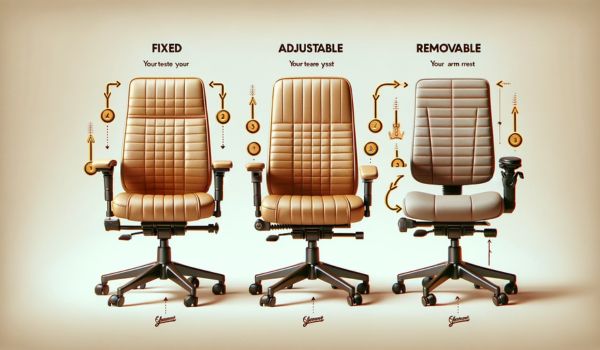
Recognizing the type of armrest on your office chair is the first step in determining the best approach for removal. Armrests can vary widely, not just in comfort and aesthetics but also in their structural design and attachment to the chair. Here’s a breakdown of the most common types you’ll encounter.
Fixed Armrests
Fixed armrests are typically bolted or welded directly to the frame of the chair, offering a sturdy and non-adjustable support. The main characteristic of these armrests is their immobility—they do not offer any mechanism for adjustment, which can be a downside for those seeking flexibility.
Challenges in Removal
The primary challenge with removing fixed armrests lies in their secure attachment. If bolts are used, they may require specific tools like wrenches or Allen keys to remove. When welded, professional tools or assistance might be necessary, as this type is not designed to be detachable by the user.
Adjustable Armrests
Adjustable armrests, unlike their fixed counterparts, come with various mechanisms that allow for height, width, or even angle adjustments. This flexibility can significantly enhance comfort and ergonomic support.
Differences in Removal
The removal process for adjustable armrests can differ greatly from fixed armrests due to their complex mechanisms. Typically, adjustable armrests are attached with screws and can be detached by loosening these screws. The process is usually straightforward but requires careful handling to avoid damaging the adjustment mechanism.
Special Types of Armrests
Some office chairs feature less common armrest designs that cater to specific needs, such as flip-up and retractable armrests.
Flip-Up Armrests
Flip-up armrests are hinged to allow the armrest to be flipped vertically when not in use or when more seat accessibility is required. These are particularly useful in collaborative workspaces where mobility and space maximization are crucial.
Retractable Armrests
Retractable armrests can slide in or out based on the user’s preference, providing a customizable arm position that can be adapted to various tasks or user body sizes.
Understanding these differences not only aids in the removal process but also helps in maintaining the functionality and longevity of the chair. Each type of armrest offers unique benefits and challenges, and knowing which type you’re working with ensures a smoother customization of your workspace.
Related Post
Step-by-Step Removal Process
When you’re ready to alter your office chair by removing the armrests, it’s essential to approach the task methodically. This section will guide you through the tools and steps required for each type of armrest, ensuring you can proceed with confidence and care.
Tools and Materials Needed
The tools required can vary slightly depending on the type of armrest, but here’s a general list to get you started:
- Screwdrivers: A set including both Phillips and flat-head screwdrivers.
- Wrench or Allen Key: Needed for bolts that are typically found on fixed armrests.
- Protective Gloves: To keep your hands safe from sharp edges and debris.
- Soft Cloth or Padding: To protect the floor and the chair from damage during the process.
- Pliers: Useful for removing any clips or pins.
Removing Fixed Armrests
Step-by-Step Guide:
- Prepare Your Workspace: Lay down a soft cloth or padding and place the chair on it.
- Locate the Bolts or Screws: Check where the armrests are attached to the seat or backrest.
- Loosen the Bolts: Using the appropriate wrench or Allen key, carefully loosen and remove the bolts. Keep all hardware in a safe place.
- Detach the Armrest: Once all bolts are removed, gently lift the armrest away from the chair frame.
- Inspect and Clean: Look at the areas where the armrests were attached for any sharp edges or debris, and clean accordingly.
Removing Adjustable Armrests
Detailed Instructions:
- Preparation: As with fixed armrests, prepare your workspace with a soft surface.
- Access the Adjustment Mechanism: Identify the mechanism used for adjustment, typically involving a screw or lever.
- Unfasten Screws or Levers: Use a screwdriver to loosen any screws. If levers are present, they may need to be turned or moved to release the armrest.
- Remove the Armrest: Carefully slide or lift the armrest off the chair, paying attention not to damage the adjustment mechanism.
- Clean the Area: After removal, clean any exposed parts of the chair where the armrest was connected.
Handling Special Cases
Instructions for Unique Armrest Designs:
- Flip-Up Armrests:
- Identify the hinge or pivot point.
- Check for a locking mechanism that may need to be released.
- Gently flip the armrest up and check for any screws or bolts that secure it in place. Remove these to detach the armrest.
- Retractable Armrests:
- Extend the armrest to its fullest to expose the attachment points.
- Unscrew or unfasten any connections using the appropriate tools.
- Slide the armrest out of its mount or track, being cautious of any wires or mechanisms.
By following these detailed steps for each type of armrest, you can successfully modify your office chair to better meet your needs, whether it’s for comfort, space, or aesthetics. Remember to handle all parts with care to maintain the integrity and functionality of your chair.
Post-Removal
After you’ve successfully removed the armrests from your office chair, it’s important to ensure the chair remains in good condition and safe to use. This next section will guide you through inspecting the chair for any potential issues and how to address any residual signs of the armrests.
Inspecting the Chair
Checking for Damage
- Examine the Frame: Look at where the armrests were attached. Check for any cracks, sharp edges, or structural weaknesses that may have been caused by the removal process.
- Assess Exposed Parts: With the armrests gone, some parts of the chair might now be exposed. Make sure there are no protruding screws or rough patches that could snag clothing or scratch skin.
Finishing Touches
Covering Leftover Holes or Marks
- Use Plugs or Caps: You can find plugs or decorative caps that fit into the leftover holes, which not only cover them up but can also prevent dust from collecting.
- Touch-Up Paint: If there are scratches or exposed areas, a small touch-up with matching paint can help conceal these spots.
Maintaining the Chair Without Armrests
- Regular Checks: Periodically check the chair for any loose screws or weakening joints, especially around areas previously covered or supported by the armrests.
- Cleaning: Keep the chair clean, paying special attention to any new crevices or exposed areas where dust and debris might accumulate.
Alternatives to Removal
If you’re contemplating modifications to your chair but are unsure about removing the armrests completely, consider these alternatives that can enhance comfort without permanent changes.
Adjustments Instead of Removal
Improving Comfort with Adjustments
- Repositioning: Many chairs allow for the adjustment of armrest height, width, or angle. Experiment with different settings to find a configuration that offers optimal support and comfort.
- Adding Cushioning: If discomfort is an issue, try adding cushioned covers to the armrests to provide extra padding.
Replacement Options
Finding Suitable Replacements
- Upgraded Armrests: If the current armrests are not meeting your needs, look into replacing them with ones that offer better ergonomics or functionality, like padded or fully adjustable models.
- Consulting Manufacturers: Some manufacturers offer replacement armrests that are specifically designed to fit certain models of chairs, ensuring compatibility and ease of installation.
Exploring these alternatives can provide the benefits of a customized chair without the need to permanently remove any parts. Whether you choose to remove, adjust, or replace the armrests, each option has the potential to enhance your seating experience, contributing to better posture and comfort throughout your workday.
Conclusion
In this guide, we’ve explored the various aspects of how to remove armrests from an office chair, including safety and preparation, identifying the type of armrest, and the detailed removal process for different armrest designs.
We also discussed how to inspect and finish the chair post-removal, and alternatives to removal such as adjustments and replacements. Removing or adjusting armrests can significantly enhance ergonomic comfort by allowing for a more tailored fit to individual needs, improving accessibility, and potentially alleviating discomfort caused by poorly positioned armrests.
Whether you choose to remove, adjust, or replace, modifying armrests is a viable option for optimizing your workspace for better posture and comfort.
Frequently Asked Questions
How to remove office chair arm rest?
To remove an office chair armrest, first check for screws or bolts under the armrest. Use an appropriate screwdriver or wrench to loosen and remove these fasteners. Once removed, the armrest should come off easily.
Should I take the armrests off my chair?
Removing armrests from your chair can offer more freedom of movement and may be beneficial if they cause discomfort or restrict your seating position. Consider your personal comfort and the chair’s design.
How to remove armrest from Aeron chair?
To remove an armrest from an Aeron chair, locate the screws at the base of the armrest. Use an Allen wrench to unscrew these. Carefully pull the armrest away from the chair frame once the screws are removed.
How to adjust office chair arm rest?
Adjusting an office chair armrest typically involves loosening a knob or lever under the armrest to allow movement. Adjust the height and width to your comfort, then tighten the knob or lever to secure it in place.
Are armrests necessary for office chair?
Armrests are not essential for an office chair but can provide significant comfort and support, reducing shoulder and wrist strain. Their necessity largely depends on personal preference and ergonomic needs.
Can you disassemble an office chair?
Yes, you can disassemble an office chair. Start by removing adjustable components like the armrests and backrest. Use tools like screwdrivers or wrenches to detach parts held by screws or bolts. Ensure to keep track of all components for reassembly.

Julie D. Williams is a seasoned chair connoisseur with a decade in the furniture realm. She combines her keen eye for design and deep knowledge of ergonomics to provide readers with reviews and guides, ensuring comfort and style in every recommendation. Each piece is a fusion of aesthetics and function, tested and approved by Julie. A believer in the power of the perfect seat to transform spaces, she’s your go-to source for impeccable finds. When not reviewing chairs, Julie is on the hunt for vintage décor, weaving comfort and beauty into every aspect of life.