
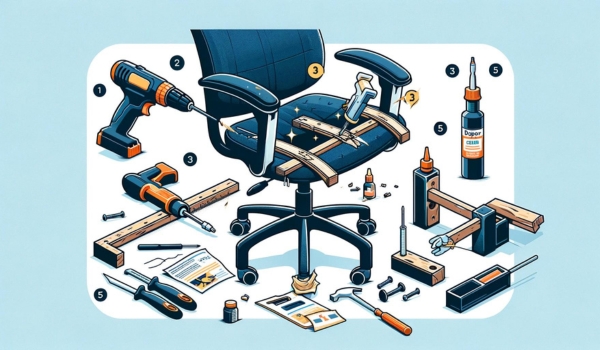
Have you ever suddenly tilted to one side because of a broken leg in the office chair? It’s a common mishap that many of us face, often at the most inconvenient times. Knowing how to fix a broken office chair leg is not just about saving money; it’s also about ensuring your safety and comfort while you work. Luckily, with a bit of know-how and the right toolkit, mending a chair leg is something you can do yourself. This guide is here to walk you through each step, making sure that by the end, you’ll feel like a DIY pro ready to tackle any chair-related challenge that comes your way.
Table of Contents
Understanding the Damage

Cracked Wood, Bent Metal, Loose Screws – Oh My!
Before you dive into the toolbox, take a moment to look at your chair and understand what you’re dealing with. Is the leg cracked, or is it completely broken off? Maybe the metal is bent, or the screws have loosened over time. Identifying the type of damage is crucial; it’s like diagnosing a patient before prescribing treatment. Each issue requires a unique approach, and knowing exactly what’s wrong is the first step to a successful repair.
Why Correct Identification Matters
Imagine you’re trying to glue a piece of wood without realizing the real issue is a missing screw. Not only would the repair be ineffective, but it could also lead to further damage or even personal injury. Correctly identifying the damage allows you to choose the most effective repair method, ensuring a fix that’s not just temporary but lasts. Whether it’s reinforcing a cracked wooden leg with dowels or tightening up those sneaky screws that have worked their way loose, understanding the damage is your roadmap to a sturdy, reliable chair.
Preparing for the Repair
When you’re setting out to fix a broken office chair leg, gathering the right tools and setting up your workspace is half the battle. You’ll need a few essentials like strong glue (wood glue for wooden legs and a suitable adhesive for metal), clamps to hold pieces together while the glue dries, screws, a drill for creating pilot holes, and metal braces for additional support on metal legs. It’s like preparing for a small battle against the forces of wear and tear.
Creating a well-lit workspace with enough room to maneuver around your chair is crucial. You don’t want to be squinting or bumping into things while you work. A good working area lets you lay out your tools and chair parts without clutter, making the repair process smoother and less frustrating. Think of it as setting the stage for a successful DIY project.
Repair Methods
For Wooden Chair Legs
Gluing and Clamping a Crack or Break
The first line of defense when fixing a broken office chair leg made of wood involves glue and clamps. Apply a generous amount of wood glue along the crack or break, then bring the pieces together, wiping away any excess glue that squeezes out. Use clamps to hold the parts firmly until the glue sets, usually for at least 24 hours. It’s a simple yet effective method that often works wonders.
Reinforcing with Dowels or Screws for Extra Strength
For added durability, especially in high-stress areas, reinforcing the repair with dowels or screws is a wise move. Drill pilot holes to avoid splitting the wood and insert the dowels or screws, securing the bond. This step ensures your office chair leg can withstand daily use without a hitch.
Finishing Touches: Sanding and Staining to Match
Once the glue has dried and the reinforcements are in place, sanding the repaired area smoothly and applying stain or paint to match the rest of the chair will make your repair work nearly invisible. It’s all about restoring not just the strength but also the aesthetics of your office chair.
For Metal Chair Legs
Straightening Bent Metal Legs
Metal chair legs bent out of shape can often be coaxed back into line with pliers or a hammer. It requires a bit of muscle and patience, but gradually working the metal back into its original form is possible. Protection for the metal surface, like a cloth or pad, can help prevent additional damage during the process.
Reinforcing the Structure with Metal Braces or Welding
In cases where bending is accompanied by cracks or breaks, using metal braces or welding might be necessary. Metal braces can provide sufficient support for smaller issues, while welding offers a more permanent solution for significant damage. Safety precautions are paramount here, especially if you opt for welding.
Rust Treatment and Prevention Tips
Rust can weaken metal legs over time, leading to damage. Treating existing rust with a remover and applying a rust inhibitor can extend the life of your chair. Regular maintenance, like wiping down metal parts with a protective oil, can prevent rust from taking hold in the first place.
For Chairs with Screws and Bolts
Tightening or Replacing Loose or Missing Screws and Bolts
Sometimes, a wobbly chair leg is due to nothing more than loose screws or bolts. Inspecting each connection and tightening them with the appropriate screwdriver or wrench can quickly resolve the issue. If screws or bolts are missing, finding replacements that match in size and type is crucial to maintain the integrity of the chair’s design and function.
Related Post
Post-Repair Care

After mastering how to fix a broken office chair leg, maintaining the chair to prevent future damage is crucial. Regular inspection plays a key role here; make it a habit to check not just the repaired leg but all chair legs for signs of wear or loosening. A monthly check can prevent minor issues from becoming major headaches. Additionally, ensure all screws are tight. Even the best repair jobs can come undone if the chair’s other components start to wobble. Think of your chair as a car; it needs regular maintenance to stay in tip-top shape. This proactive approach not only extends the life of your office chair but also ensures it remains safe and comfortable to use.
DIY Safety Tips
Safety should always be your top priority when you decide to fix a broken office chair leg. Before you start, equip yourself with protective gear such as safety glasses and gloves, especially when handling sharp tools or materials like wood splinters and metal shards. Working in a well-ventilated area is crucial, particularly when using strong adhesives, paints, or solvents, to avoid inhaling fumes. Always follow the product instructions in the letter, especially for chemicals. This is not just about protecting your health; it’s also about ensuring a safe and successful repair. Remember, taking shortcuts can compromise both your safety and the quality of the repair.
Related Post
When to Call a Professional
There comes a point in the journey of how to fix a broken office chair leg when you might need to step back and call in the experts. If you’re facing a complex break, structural damage beyond the leg, or if the chair is an expensive model with specialized components, these are clear signs that professional help might be the best path forward. Professionals bring not just their expertise but also specialized tools and materials that can ensure a repair that’s both durable and safe. Remember, investing in a professional repair can sometimes save money in the long run by preventing further damage and extending the life of your chair.
Conclusion
Embarking on the task of fixing a broken office chair leg can seem daunting at first. However, with the right tools, knowledge, and patience, it’s definitely within your reach. This guide aims to arm you with the confidence to tackle chair repairs and to remind you of the importance of regular maintenance and safety precautions. By taking care of your office chair, you’re not just saving money; you’re also creating a safer and more comfortable environment for yourself. Remember, every repair journey is a learning experience, so embrace the challenge, and don’t hesitate to seek professional help when necessary.
Frequently Asked Questions
Can a broken chair leg be repaired?
Yes, a broken chair leg can often be repaired, either through DIY methods like gluing, screwing, or clamping, or by seeking professional help for more complex damage.
How to fix a broken office chair?
Fixing a broken office chair involves identifying the problem (e.g., broken leg, loose screws), gathering the necessary tools, and applying the appropriate repair method, such as tightening, gluing, or replacing parts.
How do you fix a leaning office chair?
A leaning office chair is typically caused by uneven legs or worn-out components. Adjusting leg lengths, tightening screws, or replacing damaged parts can help restore balance.
How do you replace computer chair legs?
To replace computer chair legs, first purchase the correct replacement legs. Then, remove the damaged leg by unscrewing or detaching it from the chair’s base and install the new leg using the appropriate fasteners.
What is the best glue for chair legs?
The best glue for chair legs depends on the material. For wood, PVA (polyvinyl acetate) wood glue is strong and durable. For metal, epoxy resin provides a sturdy bond.
Can you glue a broken chair leg?
Yes, gluing is a common method for repairing a broken chair leg, especially if the brake is clean. Use a strong adhesive designed for the leg’s material, apply pressure until it sets, and allow it to cure fully.
Important Articles:
How to fix a leaning office chair
How to fix a peeling office chair
How to fix office chair tilt lock

Julie D. Williams is a seasoned chair connoisseur with a decade in the furniture realm. She combines her keen eye for design and deep knowledge of ergonomics to provide readers with reviews and guides, ensuring comfort and style in every recommendation. Each piece is a fusion of aesthetics and function, tested and approved by Julie. A believer in the power of the perfect seat to transform spaces, she’s your go-to source for impeccable finds. When not reviewing chairs, Julie is on the hunt for vintage décor, weaving comfort and beauty into every aspect of life.