
When considering the question, “will a lift chair mechanism fit any recliner?” it’s important to start with a foundational understanding of what a lift chair actually is and how it sets itself apart from the more traditional recliners. Essentially, a lift chair is a specially designed recliner that not only allows the user to recline back but also helps them stand up by lifting and tilting forward.
This functionality is crucial for individuals who have limited mobility or face challenges when trying to stand up from a seated position.
Understanding the mechanisms behind these transformative pieces of furniture is not just about recognizing their mechanical components; it’s about appreciating how they can significantly enhance comfort and independence in everyday living.
Understanding Lift Chair Mechanisms
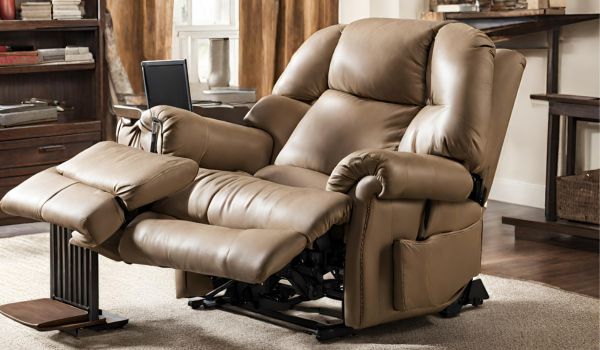
Diving deeper into how lift chair mechanisms operate, it becomes clear that these are not just simple modifications to standard recliners. A lift chair mechanism comprises several key components, each playing a pivotal role in providing the dual functionality of reclining and lifting. The heart of this mechanism is the motor, which drives the motion for both reclining and lifting.
This motor is connected to a series of gears and levers that translate electrical energy into mechanical movement, allowing for smooth transitions between sitting, reclining, and standing positions.
There are various types of lift chair mechanisms tailored to different needs and preferences. These include two-position chairs, which are perfect for those who desire simplicity and mainly require a slight recline and lift function. Then there are three-position chairs that offer a wider range of recline options, making them ideal for regular use over extended periods, providing comfort in various positions from upright to a full recline.
The most versatile of all, the infinite position lift chairs, allow for a completely customizable experience, with the capability to adjust the chair to any angle, even lying flat, which is beneficial for those needing more significant assistance and comfort options.
One of the most compelling aspects of lift chair mechanisms is their ability to aid mobility. For individuals who struggle with standing up from a seated position, the lifting action ensures that they can get to their feet safely and with minimal effort. This not only promotes independence but also helps in maintaining muscle integrity by reducing the strain that comes from trying to stand without assistance. Additionally, the reclining feature provides substantial benefits in terms of comfort, making these chairs a preferred choice for people experiencing sore joints, back pain, or disorders that limit their mobility.
Types of Recliners
Recliners come in a variety of styles, each designed to cater to specific needs and spatial configurations. The traditional recliner is what most people imagine when they think of recliners—a plush, comfortable chair that extends backward when the back is pushed or a lever is pulled. Rocker recliners, on the other hand, offer the ability to rock while seated, making them a favorite among parents with infants.
Swivel recliners add another layer of functionality, allowing the seat to rotate left and right, which is particularly useful in rooms that serve multiple purposes or where engagement in multiple areas is required.
Wall-hugger recliners are designed for tight spaces. They move forward as they recline, allowing them to be placed closer to walls without scratching or damaging them. This feature makes them ideal for smaller living spaces or apartments where saving space is a priority.
Material and design are crucial when considering the compatibility of lift chair mechanisms with different types of recliners. Heavier materials like leather or dense fabrics, combined with sturdy frame constructions, might limit the types of mechanisms that can be installed without compromising the chair’s functionality or safety. The design of the recliner also plays a significant role; for instance, a very sleek and low-profile chair may not have the necessary space to house the bulkier parts of a lift mechanism.
Compatibility of Lift Chair Mechanisms with Recliners
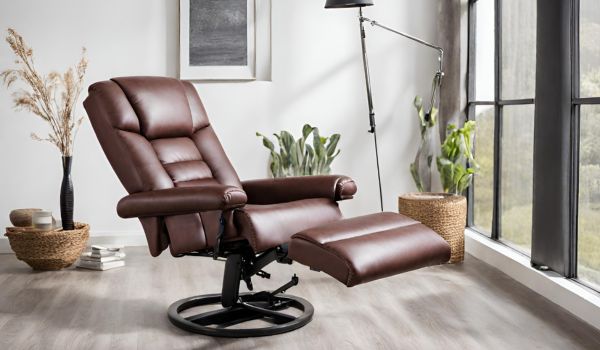
The compatibility of lift chair mechanisms with existing recliners depends heavily on several factors, including the size, weight capacity, and design of the recliner. A recliner’s build must accommodate the physical dimensions and functional requirements of the lift mechanism, which can vary considerably. Additionally, the weight capacity of the recliner needs to align with that of the lift mechanism to ensure safety and functionality.
Retrofitting a lift mechanism into an existing recliner presents several technical challenges. The existing structure of the recliner must be robust enough to support the added components and the dynamic forces they introduce. The integration must be done carefully to maintain the balance and comfort of the recliner, without compromising its original aesthetics or ergonomics.
There are both successful and unsuccessful case studies in the retrofitting of lift mechanisms. One successful example involves a standard two-position recliner that was modified to include a simple lift system.
This system was chosen due to its compatibility with the chair’s original design and its ability to fit within the existing framework without extensive modifications. On the other hand, attempts to retrofit an intricate infinite position mechanism into an older model rocker recliner resulted in a failure, primarily because the original design could not support the complex and heavy components of the lift system. This case illustrates the importance of thorough assessment and planning when attempting to enhance a recliner with a lift mechanism, highlighting the need for technical expertise and precise compatibility evaluation.
Related Post
- Can i turn a regular recliner into a lift chair
- How to keep recliner chair arm caddy on lift chair
- Can you convert a recliner to a lift chair
Installation Process
Installing a lift chair mechanism in an existing recliner involves a precise and methodical approach. Here’s a step-by-step guide to help ensure a successful installation:
- Preparation: Begin by gathering all necessary tools, including a screwdriver, wrenches, and possibly a power drill. Clear a spacious work area to accommodate the recliner and its components spread out during the process.
- Disassembly: Carefully remove the back of the recliner to expose the inner framework. This is often achieved by unscrewing the fasteners that hold the backrest to the seat frame.
- Mounting the Mechanism: Position the lift mechanism according to the manufacturer’s instructions, usually aligning it with the frame’s base. Secure the mechanism with bolts or screws, ensuring it is firmly attached without any wobble.
- Electrical Setup: Connect the motor and control box to the lift mechanism. Route wires away from moving parts to avoid pinching or wear. Ensure all connections are tight and secure.
- Testing: Before reassembling the recliner, perform a functional test. Use the control to lift and recline the chair, watching for smooth operation and listening for any unusual noises that indicate misalignment or interference.
- Reassembly: Once testing is complete and you’re satisfied with the functionality, reattach the back of the recliner and any other components that were removed.
- Final Testing: With the recliner fully assembled, conduct a final test to confirm everything works as expected and the chair maintains its stability and comfort.
Tools and Skills: Installation requires basic mechanical skills, such as using hand tools and understanding mechanical components. Electrical knowledge is helpful for safely handling wiring and connections.
Safety Considerations: Always unplug any electrical components before starting the installation to avoid shock. Be aware of sharp edges and heavy parts during disassembly and assembly. Ensure your workspace is free of hazards and that the recliner is stable before use.
Expert Opinions and Advice
Feedback from furniture manufacturers and mobility experts is crucial in understanding the complexities of retrofitting lift mechanisms into existing recliners. Many emphasize the importance of choosing the right type of mechanism that matches the design and capability of the recliner. They caution against underestimating the physical and technical demands of installation, recommending professional installation for those who are not mechanically inclined.
Experts also highlight the importance of checking warranty and service agreements, as modifications can sometimes void existing warranties. For those considering a retrofit, it’s advised to consult with a professional to assess whether their recliner is a suitable candidate for a lift mechanism, considering factors such as age, condition, and construction of the furniture.
Ultimately, while retrofitting a lift mechanism can significantly enhance the functionality of a standard recliner, careful consideration and proper execution are key to ensuring safety, performance, and comfort.
Alternatives to Retrofitting
For those considering enhancing their seating arrangements to include lift capabilities, purchasing a pre-built lift chair is a viable alternative to retrofitting an existing recliner. Pre-built lift chairs are designed with integrated lift technology, ensuring seamless operation and reliability. These chairs often come with warranties and customer support, providing peace of mind that is not typically available with aftermarket modifications.
Pros of Pre-built Lift Chairs:
- Guaranteed Compatibility: Designed specifically for mobility assistance with optimal engineering.
- Variety: Available in different styles and functionalities to match personal needs and home decor.
- Safety and Reliability: Manufactured to meet safety standards with built-in fail-safes and durable materials.
Cons of Pre-built Lift Chairs:
- Cost: Generally more expensive than simple retrofit kits.
- Limited Customization: Choices are confined to what is available on the market, which may not meet all personal preferences or physical requirements.
Conclusion
While retrofitting a lift mechanism can provide a customized solution to mobility issues, it involves significant considerations regarding compatibility, safety, and the physical challenges of installation. For many, especially those lacking technical skills or specific recliner types, purchasing a pre-built lift chair might be a more feasible and reliable option.
This choice ensures a balance of functionality, safety, and comfort without the potential pitfalls of modifying existing furniture.
Frequently Asked Questions
Can you turn any recliner into a lift chair?
While it is technically possible to convert a standard recliner into a lift chair with the addition of a lifting mechanism, it requires compatible design and structure. Not all recliners can accommodate such a modification effectively.
Can you put a lift on a regular recliner?
Adding a lift mechanism to a regular recliner is feasible but depends on the recliner’s build and stability. It’s important to ensure that the recliner’s frame can support the lift without compromising safety or comfort.
Are all recliner mechanisms the same?
Recliner mechanisms vary widely depending on the type of recliner and its features. Standard recliners might simply recline, whereas more advanced models offer additional movements like rocking or swiveling.
What is the difference between a recliner and a lift recliner?
The key difference is that a lift recliner includes a mechanism that aids in lifting the chair to help the user get up easily, which is particularly beneficial for people with limited mobility. A standard recliner does not offer this feature.
Do lift recliners come in different sizes?
Yes, lift recliners are available in various sizes to accommodate different body types and preferences. They range from petite sizes to heavy-duty models designed for larger individuals.
What are the cons of lift chairs?
Lift chairs can be expensive and might require significant space due to their movement range. Additionally, the mechanical parts may require maintenance and can be prone to malfunction over time.
