
When discussing the integration of modern healthcare technology with everyday comfort appliances, “What You Need to Know About Pacemakers and Massage Chairs” emerges as a critical topic. For those living with pacemakers, understanding how these devices interact with something as seemingly benign as a massage chair is not only useful but necessary.
Pacemakers are small devices implanted in the chest or abdomen to help control abnormal heart rhythms. They use electrical pulses to prompt the heart to beat at a normal rate and rhythm. On the other hand, massage chairs are designed to mimic the pressure and movements of a massage therapist’s hands to provide relief and relaxation at home. The question of their compatibility is not just about convenience but ensuring safety and health.
Understanding Pacemakers
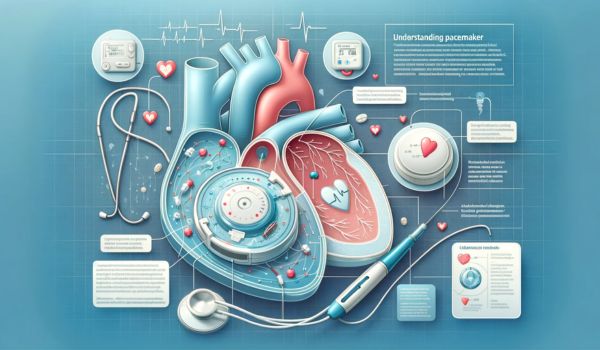
A pacemaker is an electronic device that provides electrical stimuli, thereby preventing or correcting abnormal heart rhythms, a condition known as arrhythmias. These devices are crucial for patients whose hearts beat too slowly or irregularly. The core function of a pacemaker is to ensure that the heart rate does not fall below a predetermined speed, which could prevent various symptoms and complications associated with a slow heartbeat.
There are several types of pacemakers, including single-chamber, dual-chamber, and biventricular, each tailored to meet specific patient needs. They monitor the heart’s electrical rhythms and, when irregularities are detected, send electrical pulses to stabilize the heartbeat. Conditions like atrial fibrillation, bradycardia, and heart block often necessitate the use of a pacemaker.
Overview of Massage Chairs
Massage chairs are a popular tool for relaxation and stress relief. Utilizing techniques ranging from kneading and tapping to shiatsu and vibration, these chairs aim to replicate the hands of a skilled therapist. They come with various features like body scanning technology, zero-gravity positions, and customizable programs tailored to the needs of different users.
The general health benefits of using a massage chair are numerous, including reduced stress, improved circulation, relief from muscle tension, and enhanced relaxation. Whether it’s a luxury model with all the bells and whistles or a simpler version designed for basic massage, these chairs have become a staple in households looking to bring some of the spa experience home.
Importance of Discussing the Compatibility of Pacemakers with Massage Chairs
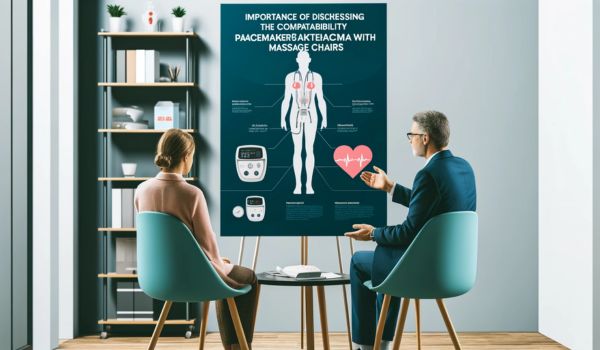
Why is it crucial for individuals with pacemakers to consider the implications of using a massage chair? The core concern revolves around the electrical and mechanical aspects of massage chairs, which could potentially interfere with a pacemaker’s operation. The electromechanical vibrations and movements generated by the chair could disrupt the pacemaker’s rhythm detection, leading to incorrect readings and possibly inappropriate electrical stimulation.
It’s advisable for pacemaker users to consult their cardiologist before using a massage chair. This discussion can clarify any potential risks and provide guidelines tailored to their specific health needs and the type of pacemaker installed. By doing so, patients can enjoy the benefits of a massage chair without compromising their heart health.
Related Post
Can a viabrator on a massage chair trigger afib
Potential Risks of Using Massage Chairs with a Pacemaker
The integration of electronic massage chairs in the lives of individuals with pacemakers poses unique challenges, particularly due to the electrical components and motors within the chairs. These components generate electromagnetic fields which could, in theory, interfere with the operation of pacemakers. This interference could manifest as an incorrect sensing of heart rhythm, leading to improper pacing that could be either too slow or too fast, depending on the interference type.
While concrete scientific studies specifically mapping the interaction between massage chairs and pacemakers are limited, there is a general consensus in the medical community about the potential risks posed by electromagnetic interference (EMI) from various electronic devices. Research into other sources of EMI suggests a precautionary approach to using devices with significant electrical outputs near pacemakers.
Anecdotal evidence, including personal stories from pacemaker users, indicates varying experiences. Some users report no issues, while others have experienced symptoms like dizziness or heart palpitations when using certain types of massage chairs. These personal accounts highlight the importance of individual assessment and consultation with healthcare providers.
Safety Guidelines for Pacemaker Users
Navigating the use of massage chairs involves adhering to safety guidelines to prevent unwanted interactions with pacemakers. Most manufacturers of electronic massage equipment provide specific guidelines concerning their use by individuals with pacemakers. These often include recommendations to keep a certain distance, avoid particular settings, or even to avoid the use of the product altogether if equipped with a pacemaker.
Health professionals generally advise pacemaker patients to exercise caution when using any electronic device that emits electromagnetic fields. The consultation with a cardiologist or a healthcare provider familiar with the patient’s medical history and specific type of pacemaker can yield personalized advice, ensuring safety while using such devices.
Tips to minimize risks include using the massage chair on a low setting initially to monitor any adverse effects, using chairs without heating elements or excessive vibration, and perhaps even testing the chair in a controlled environment under medical supervision before regular use.
What to Do Before Using a Massage Chair
Before using a massage chair, individuals with pacemakers should take several key steps to ensure their safety. The first and most crucial step is consulting with a healthcare provider. This conversation can provide critical insights into any potential risks specific to the type of pacemaker and the individual’s health condition.
It is also important to review the massage chair’s user manual thoroughly. Manuals often contain specific warnings or contraindications related to pacemakers, and these should be followed carefully. Additionally, checking for any updates from the pacemaker manufacturer regarding the use of electronic devices can provide up-to-date guidance.
Possible precautions include using the chair for short periods initially under observation, avoiding direct contact between the chair’s motors and the site of the pacemaker, and ensuring that the chair is in good working condition without electrical faults that could increase electromagnetic emissions.
Alternatives and Modifications for Massage Chair Users with Pacemakers
For those with pacemakers looking for safer alternatives to traditional massage chairs, there are several viable options. Zero-gravity chairs, which do not contain the intense electrical components that traditional massage chairs do, offer a way to relax without the risk of electromagnetic interference. Additionally, manual massage pads that can be placed on standard chairs might provide muscle relaxation without electrical risks.
Modifications to existing massage chair settings can also help reduce potential risks. Users can opt to use lower intensity settings and avoid programs that incorporate heat, as these can increase the electromagnetic output. Positioning the back away from the seatback can also reduce direct exposure to the chair’s motors and wiring.
Other forms of relaxation and muscle relief that are safe for pacemaker patients include yoga, tai chi, and manual massages from certified therapists. These activities do not involve electromagnetic fields and can significantly aid in stress reduction and muscle relaxation without jeopardizing cardiac health.
Key Considerations for Manufacturers of Massage Chairs
The manufacturing of massage chairs that are safe for pacemaker users involves focused research and development. Efforts are underway in some companies to design chairs that minimize electromagnetic emissions through shielding techniques and lower-power motors.
Technological advancements play a crucial role in this field. Innovations such as electromagnetically shielded motors and components that produce less interference are key areas of development. These advancements aim to ensure that the chairs are safe for all users, including those with medical implants.
Adhering to industry standards and obtaining relevant certifications is essential for manufacturers. These standards, which often involve rigorous testing for electronic medical safety, help in building trust and ensuring the safety of the products for consumers with specific health concerns.
Conclusion
Understanding “What You Need to Know About Pacemakers and Massage Chairs” is crucial for anyone in this situation. This discussion highlights the importance of being informed and cautious regarding the use of massage chairs by individuals with pacemakers. While there are risks involved, knowing the safe alternatives, necessary modifications, and current manufacturer considerations helps mitigate these concerns. It’s essential to follow professional medical advice and stay updated on new research and technological advancements in this area. By taking informed steps, individuals with pacemakers can enjoy the benefits of relaxation and muscle relief safely.
Frequently Asked Questions
Can a person with a pacemaker use a massage chair?
Generally, people with pacemakers should use caution when considering the use of massage chairs. It’s advisable to consult with a healthcare provider first, as some chairs may generate electromagnetic interference that could affect the pacemaker.
Can you have a massage if you have a pacemaker?
Yes, you can generally have a massage if you have a pacemaker, but it’s important to avoid direct pressure on the area where the pacemaker is implanted. Always inform your massage therapist about your pacemaker beforehand.
Can heart patients use massage chairs?
Heart patients, including those with pacemakers, should consult their doctor before using massage chairs. Some models may be safe, but it’s essential to ensure the chair doesn’t interfere with any medical devices or conditions.
Is it safe to use a massage gun if you have a pacemaker?
Using a massage gun when you have a pacemaker is not recommended without prior approval from a healthcare professional. The vibrations and potential electromagnetic interference could pose risks.
What are 4 things to be avoided if you have a pacemaker device?
If you have a pacemaker, avoid close proximity to strong magnets, intense electrical fields, certain medical procedures like MRI unless specified as safe, and direct impacts to the pacemaker area.
Who should not use a massage chair?
Individuals with pacemakers, recent surgeries, unhealed wounds, or severe health conditions such as severe osteoporosis should avoid using massage chairs without medical advice to prevent complications.
