
When you sit down to tackle your workday, the last thing you want is a wobbly or broken armrest on your office chair distracting you. Learning how to fix the armrest on your office chair not only ensures comfort but also enhances your workspace ergonomics.
In this guide, we’ll walk through the steps to identify and fix common armrest issues, ensuring your chair is as supportive as your work ethic.
The Importance of a Functional Office Chair
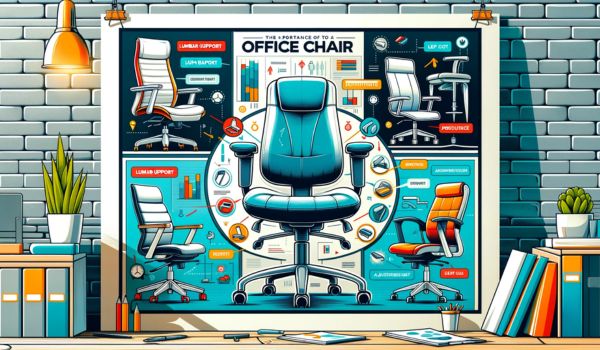
A functional office chair is pivotal for maintaining posture and preventing strain during long hours of sitting. The armrests particularly play a crucial role in supporting your arms and ensuring that your shoulders are not unduly stressed. When these are compromised, it can lead to discomfort and long-term issues like repetitive strain injuries.
Therefore, understanding how to fix the armrest on your office chair is essential for anyone looking to maintain a healthy and productive workspace.
Common Issues with Office Chair Armrests
Office chair armrests can face a variety of issues ranging from being loose or completely broken to simply being uncomfortable. Each issue requires a different approach, which we will cover in detail.
By the end of this guide, you’ll be equipped with the knowledge needed to tackle any armrest issue.
Tools and Materials Needed to Fix an Armrest

Essential Tools
To effectively fix the armrest on your office chair, you will need a set of basic tools. These include:
- Screwdrivers: Both Phillips and flat-head, depending on your chair’s screws.
- Allen wrenches: Often required for tightening bolts on modern office chairs.
- Adjustable wrench: Useful for larger nuts and bolts.
Necessary Materials
You might also need some materials depending on the nature of the repair:
- Replacement parts: These could be specific to your chair model, like new armrests or mounting hardware.
- Screws: Various sizes, as they may have worn out or gone missing.
- Glue: Strong adhesive can be helpful for reinforcing broken parts.
Related Post
Safety Precautions Before You Begin
Before diving into the repair, it’s crucial to prioritize safety. Ensure your chair is on a stable surface and that you have good lighting to see what you’re doing. If you’re using glue or any chemical adhesives, work in a well-ventilated area. Always check that the tools are suitable for the job to avoid damaging your chair further or injuring yourself.
Diagnosing the Problem with the Armrest
Identifying Common Armrest Issues
The first step in how to fix the armrest on your office chair is to diagnose the problem. Common issues include:
- Loose armrests, which might just need tightening or new screws.
- Broken armrests, which could require replacement parts or a bit of DIY to put pieces back together.
- Uncomfortable armrests, possibly needing additional padding or adjustment for better ergonomics.
Assessing Repair or Replacement Needs
Once you’ve identified the issue, assess whether the armrest can be repaired or if it needs to be replaced. This decision largely depends on the severity of the damage and the availability of replacement parts. Sometimes, a simple tightening of screws or adding some padding is enough, while other times, more comprehensive measures are necessary.
Step-by-Step Repair Guide for Office Chair Armrests
Fixing the armrest on your office chair is a practical way to enhance comfort and functionality. Here’s a detailed, step-by-step guide covering how to address loose, broken, and uncomfortable armrests.
Fixing a Loose Armrest
Tightening Screws and Bolts
Start by identifying any loose screws or bolts in the armrest. Use the appropriate screwdriver or Allen wrench to tighten them. This simple step often resolves the issue and prevents further looseness.
Using Thread-Locking Adhesive for Stability
For screws that frequently loosen, applying a thread-locking adhesive can provide long-term stability. This adhesive prevents the screws from loosening under vibration and regular movement, securing the armrest firmly in place.
Replacing Worn-Out Screws or Bolts
If the screws or bolts are stripped or worn out, replace them with new ones that match the size and thread. This not only secures the armrest but also ensures that the fittings do not damage the chair’s frame.
Related Post
Repairing a Broken Armrest
Assessing the Damage
Examine the armrest for any cracks or broken parts. The type of damage will determine the repair method. Simple cracks might be mendable, whereas completely broken pieces may require more extensive repairs.
Using Epoxy or Plastic Weld for Minor Cracks
For minor cracks, using a strong epoxy glue or plastic weld can be an effective solution. Ensure the area is clean and dry before applying the adhesive. Hold the crack together tightly as the adhesive sets to ensure a strong bond.
Replacing the Entire Armrest if Necessary
If the armrest is extensively damaged, replacing it might be the only option. Check with the manufacturer for replacement parts or look for compatible armrests that fit your office chair model.
Improving an Uncomfortable Armrest
Adding Padding or Cushion
If the armrest is hard or uncomfortable, adding additional padding can make a significant difference. Use foam padding or memory foam cut to size, and cover it with fabric that matches your chair for a seamless look.
Replacing the Armrest Pad
Some armrests come with removable pads that can be replaced when worn out or uncomfortable. Purchase a replacement pad that fits your armrest’s dimensions and attach it according to the manufacturer’s instructions.
Adjusting the Height and Position
Adjust the armrest’s height and position if your chair allows it. Properly positioned armrests support your arms naturally without causing shoulder strain or forcing your posture out of alignment.
Replacing the Armrest on Your Office Chair
When your office chair’s armrest is beyond repair, replacing it is the next best step. Here’s how to ensure you choose the right parts and install them correctly for a seamless transition.
Finding Compatible Replacement Parts
To find a compatible replacement armrest, start by checking the manufacturer’s website using your chair’s model number. If direct replacements aren’t available, measure your current armrest to match the size and attachment points with a universal armrest designed for similar models.
Removing the Old Armrest
Carefully unscrew the existing armrest from the chair’s frame. Keep all screws and bolts in case the new armrest can use them. Inspect the attachment area for any damage or wear that might affect the new installation.
Installing the New Armrest
Align the new armrest with the chair’s attachment points and secure it with screws or bolts. If the new armrest comes with its own fittings, use those instead for the best fit. Tighten all connections to ensure the armrest is stable and won’t move under weight.
Ensuring Proper Fit and Stability
Once installed, sit in the chair to test the armrest’s position and stability. Adjust if necessary to ensure it’s comfortable and doesn’t shift or wobble when in use.
Preventative Maintenance for Office Chair Armrests
Maintaining your chair’s armrests is key to prolonging their lifespan and functionality.
Regular Checks and Tightening
Regularly inspect the armrests for loose screws or bolts, especially if you frequently lean on them. Tighten them as needed to prevent wear and potential breakage.
Cleaning and Maintenance
Keep the armrests clean by wiping them down with a suitable cleaner for the material, whether it’s fabric, leather, or plastic. This prevents build-up of grime which can degrade the materials over time.
Tips for Prolonging Armrest Lifespan
Avoid excessive pressure on the armrests and use them as intended to reduce stress on the fittings and material. This helps maintain their structural integrity and comfort level.
Troubleshooting Common Armrest Issues
If you encounter issues like squeaking or creaking, apply a suitable lubricant to the moving parts. Address wobbling by tightening all connections. If discomfort persists despite repairs or replacements, consider adding additional cushioning or adjusting the armrest’s position.
Conclusion
Throughout this guide, we’ve covered everything from how to fix the armrest on your office chair to replacing it entirely, along with maintenance tips to keep them in top condition. Addressing armrest issues promptly prevents further damage and maintains the functionality of your chair. Remember, a well-maintained office chair contributes to a comfortable and productive working environment. Keep these tips in mind to ensure your chair serves you well into the future.
Frequently Asked Questions
How do you lock the armrest on an office chair?
To lock the armrest on an office chair, locate the locking mechanism which typically consists of a knob or lever under the armrest. Turn or press this mechanism until the armrest secures in the desired position.
How to raise office chair armrests?
To raise the armrests on an office chair, find the button or lever on the side or underside of the armrest. Press or lift it while pulling the armrest upward to your preferred height, then release to lock it in place.
How do you fix a loose office chair?
To fix a loose office chair, tighten all visible screws and bolts using an appropriate tool, typically an Allen wrench or screwdriver. Check the base and the seat connection points, as well as the casters.
Where should armrests be on office chair?
Armrests on an office chair should be positioned so that your arms can rest naturally with your shoulders relaxed and elbows at a 90-degree angle. They should not cause you to shrug your shoulders or reach too far to use them.
How to use arm rests?
Use arm rests by adjusting them so they support your forearms when you are typing or using a mouse, without causing you to elevate your shoulders. This helps reduce strain on your shoulders and neck.
Do I need arm rests on my office chair?
Whether you need arm rests on your office chair depends on your personal comfort and ergonomic needs. Arm rests can reduce strain on your neck and shoulders, but should be properly adjusted or removable to fit your body.
