
When it comes to maintaining the aesthetics and functionality of office furniture, the condition of each piece plays a crucial role. Specifically, learning how to repair vinyl office chair armrests not only extends the life of the chair but also ensures ongoing comfort and support for its users. Vinyl, commonly used for its durability and easy maintenance, often encounters issues such as cracks, tears, and general wear that can degrade its appearance and functionality.
Repairing these armrests instead of replacing them can provide significant cost savings and also offer an opportunity to customize the repair to match specific office decor. This guide delves into the nuances of vinyl as a material, explores common problems associated with vinyl office chair armrests, and provides step-by-step instructions on how to address these issues effectively.
Understanding Vinyl as a Material in Office Chairs
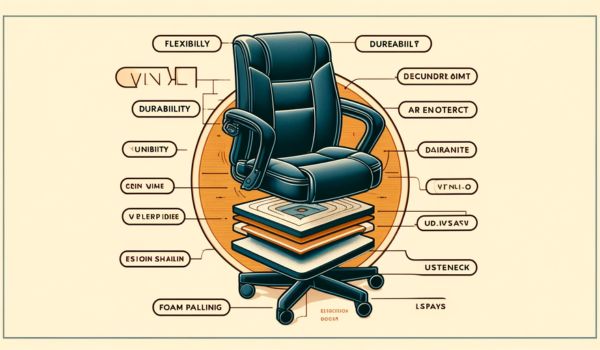
Vinyl is favored in office environments for its ability to withstand significant use while maintaining a presentable appearance. It’s a plastic resin manufactured from ethylene and chlorine, which when processed, forms Polyvinyl Chloride or PVC—commonly referred to as vinyl. This material is not only durable but also resistant to moisture and easy to clean, making it ideal for high-traffic areas like offices.
However, despite its robust nature, vinyl office chair armrests are susceptible to certain types of damage. Cracks can appear from the stress of regular use, especially in colder climates where the material becomes less pliable. Tears are another common issue, often a result of sharp objects or the edge of a desk piercing the vinyl. Over time, the color of vinyl armrests can also fade or become discolored due to exposure to sunlight or the wear and tear of daily use.
Preparation for Repairing Vinyl Office Chair Armrests
Before embarking on the repair of a vinyl office chair armrest, it’s essential to assemble all the necessary tools and materials. Preparing adequately ensures the repair process is smooth, efficient, and safe.
Gathering Necessary Tools and Materials
The success of your repair job heavily depends on having the right tools and materials at your disposal. Here’s what you’ll need:
- Vinyl Repair Kit: This is the cornerstone of your repair process, containing adhesive, application tools, and sometimes colorant to match the vinyl.
- Sandpaper: Used to smooth out the surface after applying the vinyl repair compound, helping it blend seamlessly with the surrounding area.
- Cleaning Supplies: Having a clean surface is crucial for effective repairs. Use mild soap and water or a vinyl cleaner to remove any dirt or oils that could interfere with adhesion.
- Adhesive: In some cases, additional adhesive may be required, especially if dealing with larger tears that need extra security.
- Patch Material: For tears, having a piece of vinyl that matches the existing material helps create a discreet repair.
Safety Precautions
When repairing vinyl, it’s important to work in a well-ventilated area as adhesives and colorants can emit fumes. Wearing gloves can protect your skin from harsh chemicals, and safety glasses are advised to guard against accidental splashes.
Assessing the Damage
Before proceeding with any repairs, a thorough assessment of the damage is crucial. Look over the armrest to determine the extent and type of damage:
- Cracks often appear on the surface and might not affect the entire thickness of the vinyl, making them easier to fill.
- Tears require careful examination to ensure the patch will adequately cover and bond to the damaged area.
- Wear and Discoloration might need a color restoration process if the original hue has faded significantly.
By accurately assessing the damage, you can choose the most effective repair methods and ensure that you don’t undertake unnecessary work. This step-by-step preparation sets the foundation for a successful repair, extending the life and beauty of your office chair armrest.
Related Post
Step-by-Step Repair Process for Vinyl Office Chair Armrests
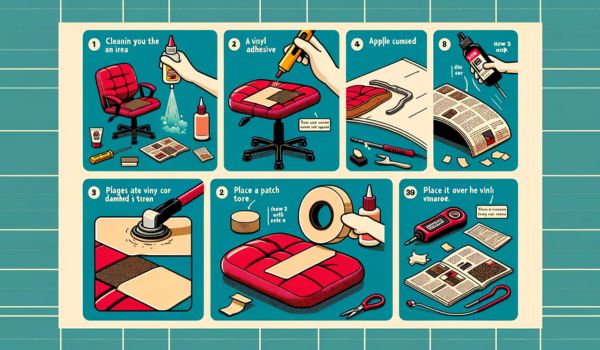
Repairing a vinyl office chair armrest requires meticulous attention to detail and careful handling of materials. This section outlines a practical approach to restoring your chair’s armrest to near-original condition.
Cleaning the Armrest
Removing Dirt and Debris: Begin by wiping down the armrest with a dry cloth to remove any loose dirt or debris. This step prevents scratching or further damage during the cleaning process.
Using Appropriate Cleaners: Apply a mild soap mixed with water or a specialized vinyl cleaner using a soft cloth. It’s crucial to avoid harsh chemicals that can damage the vinyl. Thoroughly clean the area to ensure the repair materials adhere properly.
Repairing Small Cracks and Tears
Using a Vinyl Repair Kit: Select a repair kit that closely matches the color and texture of your vinyl. These kits typically include a compound that is used to fill in cracks and small tears.
Applying Adhesive: Carefully apply the adhesive or compound to the damaged area. For small cracks, you may use the tip of the application tool to gently press the compound into the crack.
Smoothing the Surface: Once the compound is in place, use a flat tool or your finger (while wearing a glove) to smooth it out, ensuring it is level with the surrounding surface. Allow it to dry according to the instructions provided with the kit.
Repairing Large Tears or Holes
Cutting and Preparing a Vinyl Patch: Measure and cut a piece of vinyl that is slightly larger than the tear or hole. This patch should come from a hidden section of the chair or a matching piece of vinyl.
Applying the Patch: Place the vinyl patch underneath the damaged area and use a vinyl adhesive to secure the edges underneath the existing vinyl. Ensure the adhesive is applied evenly for a strong bond.
Blending the Patch with the Original Material: Once the patch is secured and the adhesive has dried, apply a thin layer of vinyl repair compound over the patch to blend it into the original material. Color it if necessary to match the surrounding area.
Finishing Touches
Sanding and Smoothing Repaired Areas: After the repairs have dried completely, gently sand any uneven surfaces with fine-grit sandpaper. This helps to create a smooth, seamless appearance.
Applying a Protective Coating: To protect the repair and the surrounding vinyl, apply a clear vinyl sealant or protector. This coating will also enhance the shine and provide a layer of resistance against future wear and tear.
Ensuring a Seamless Look: Finally, inspect the armrest to ensure that the repair blends in well with the rest of the chair. The goal is to make the repaired areas virtually undetectable.
Following these steps will help you effectively repair and restore the vinyl armrests of your office chair, ensuring continued comfort and maintaining a professional appearance in your workspace.
Related Post
Alternative Repair Methods for Vinyl Office Chair Armrests
When the standard repair methods don’t quite fit the bill, or if you’re looking for a different approach, there are alternative techniques you can consider for repairing vinyl office chair armrests.
Using Liquid Vinyl Repair Compounds
Liquid vinyl is an excellent option for seamless repairs, especially for minor abrasions or small holes. This compound is applied directly to the damaged area, and it dries to form a solid, flexible seal that mimics the look and feel of the original vinyl.
Sewing or Stitching the Tear
For a more hands-on repair, stitching can be effective, particularly for clean tears that haven’t frayed. Using a strong, color-matched thread, carefully sew the tear closed. This method is more visible but adds a level of durability to the repair, reinforcing the damaged area against further stress.
Replacing the Armrest Covers
If the damage is extensive or if the armrests are excessively worn, replacing the vinyl covers might be the most straightforward solution. This method ensures a brand-new appearance and can be more cost-effective in the long run, especially if repairs are becoming a frequent necessity.
Preventative Maintenance Tips
Maintaining your office chair can significantly extend its lifespan and reduce the need for repairs. Here are some preventative maintenance tips:
Regular Cleaning and Conditioning
Clean your vinyl armrests regularly with suitable cleaners to prevent dirt accumulation that can cause abrasion and wear. Use a vinyl conditioner occasionally to keep the material supple and prevent cracks.
Using Protective Covers
Consider using removable covers that can be washed and replaced as needed. These covers protect the armrests from direct wear and tear while providing an opportunity to update the chair’s look without a full replacement.
Avoiding Excessive Pressure or Weight
Vinyl armrests are durable but can deform or crack under excessive weight. Avoid leaning heavily on them or using them as supports when standing up or sitting down.
Troubleshooting Common Issues
Even with careful application, you might encounter issues during the repair process. Here are some tips for common problems:
Adhesive Not Sticking
Ensure the surface is thoroughly cleaned and dried before applying adhesive. If the adhesive still fails to stick, try a different brand or a specialized vinyl adhesive, which may offer a better bond.
Patch Material Not Blending
If the patch material stands out, you may need to custom-cut a piece from a hidden area of the chair or from a matching vinyl sheet. Consider using a tinted vinyl repair compound to better match the surrounding area.
Repaired Area Looking Uneven
If the repaired area appears uneven after drying, carefully sand it down with fine-grit sandpaper and apply a thin layer of repair compound to smooth it out. Finish with a coat of clear vinyl sealant for a polished look.
By understanding these alternative methods, preventative strategies, and troubleshooting tips, you can ensure your vinyl office chair armrests remain in excellent condition, providing comfort and aesthetic appeal in your office space.
Cost-Benefit Analysis of Repairing vs. Replacing Vinyl Office Chair Armrests
When deciding whether to repair or replace vinyl office chair armrests, considering both the immediate and long-term financial implications as well as environmental factors is crucial.
Cost Comparison Between Repair and Replacement
The cost of a vinyl repair kit and other necessary materials generally ranges from $10 to $50, depending on the extent of the damage and the quality of the materials purchased. In contrast, replacing an entire office chair, or even just the armrests, can cost anywhere from $50 to several hundred dollars. Therefore, repairing is often the more economical choice for minor to moderate damages.
Long-term Benefits of Repair
Repairing armrests can extend the furniture’s lifespan, delaying the need for full replacement and thus providing better value over time. Regular maintenance and timely repairs can keep chairs looking new and fully functional, which is especially beneficial in professional environments where appearance matters.
Environmental Impact of Repair vs. Replacement
Choosing to repair instead of replace has significant environmental benefits. It reduces waste by prolonging the life of the current materials and minimizes the demand for new raw materials needed to manufacture new chairs. This, in turn, contributes to less landfill waste and a lower carbon footprint associated with production and transportation.
Conclusion
This guide has covered the essential steps and methods for how to repair vinyl office chair armrests, from understanding the material to detailed repair processes and maintenance tips. Repairing your office furniture not only saves money but also helps in sustaining the environment. I encourage you to consider these DIY repairs to not only extend the life of your office furniture but also maintain its aesthetic value and functionality. Remember, a well-maintained office environment reflects professionalism and care, which can have a positive impact on your work culture.
Frequently Asked Questions
How to repair armrest on office chair?
To repair an armrest on an office chair, first identify if the issue is structural or cosmetic. For structural repairs, tighten any loose screws or replace broken parts. For cosmetic issues, use upholstery foam or fabric to patch up.
Can vinyl chairs be repaired?
Yes, vinyl chairs can be repaired. Small tears or holes can be fixed with a vinyl repair kit, which includes adhesive and patch material that closely matches the chair’s original color and texture.
How to repair torn vinyl?
To repair torn vinyl, clean the area around the tear thoroughly, then apply a vinyl adhesive beneath the edges of the tear. Press the edges together and apply a vinyl patch over the area if necessary. Allow it to dry completely.
How do you fix a broken chair arm?
Fixing a broken chair arm involves first determining the type of break. If the arm is wooden, glue and clamp the broken pieces together. For metal arms, you might need to weld or use a strong adhesive.
Can you repair torn vinyl seat?
A torn vinyl seat can be repaired using a vinyl repair kit. Clean the area around the tear, apply the adhesive, and place a patch over the area. Ensure the patch blends well with the existing material.
Can peeling vinyl be repaired?
Peeling vinyl can be repaired by reapplying adhesive to secure the peeling sections back in place. If the damage is extensive, consider using a vinyl paint or replacing the affected area with a new piece of vinyl.

Julie D. Williams is a seasoned chair connoisseur with a decade in the furniture realm. She combines her keen eye for design and deep knowledge of ergonomics to provide readers with reviews and guides, ensuring comfort and style in every recommendation. Each piece is a fusion of aesthetics and function, tested and approved by Julie. A believer in the power of the perfect seat to transform spaces, she’s your go-to source for impeccable finds. When not reviewing chairs, Julie is on the hunt for vintage décor, weaving comfort and beauty into every aspect of life.