
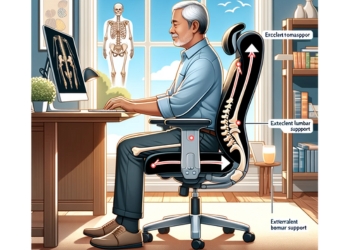
“Is an office chair good for osteoporosis?” might seem like a question that belongs more in an ergonomic seminar than a health discussion. Yet, here we are, exploring this intriguing intersection between our daily seating habits and our bone health.
Osteoporosis, a condition that weakens bones, making them fragile and more prone to breaks, is a concern for many. So, it’s natural to wonder if something as routine as our choice of office chair can make a difference.
In this blog, we’re going to unravel this topic in a way that’s easy to grasp, without medical jargon. From the importance of posture to the impact of sitting long hours, let’s discover together whether your office chair is a friend or foe to your bones. Join us on this journey of understanding – no medical degree required!
What is Osteoporosis?
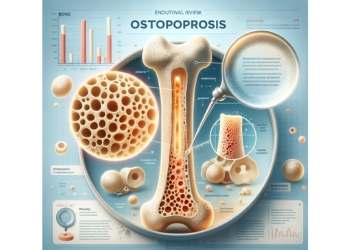
Osteoporosis is a condition where bones become weak and fragile. Think of a healthy bone as a dense, strong network, like a tightly woven net. In osteoporosis, this net starts to thin out and get holes in it, making the bones less dense and more like a fragile sponge.
This happens because, as we age, our bodies may not create new bone as quickly as old bone is lost. Imagine it like a bank account where you’re withdrawing money faster than you’re depositing it. Over time, this leads to bones that can break more easily, often from minor falls or, in severe cases, even from simple actions like bending over or coughing.
Osteoporosis is more common in older people, especially women after menopause, but it can also affect men and younger people. It’s like a silent issue, often showing no symptoms until a bone breaks. That’s why it’s important to keep bones healthy and strong throughout life.
The Role of Proper Seating in Managing Osteoporosis: Comfort Matters
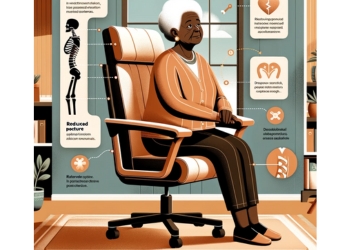
For people with osteoporosis, proper seating is crucial for maintaining bone health. Good posture is like a supportive framework that helps keep your bones aligned.
When you sit with correct posture, it ensures that your bones and muscles are in balance and working together harmoniously. This balance is important because it reduces excessive stress on certain bones, especially in the spine, hips, and pelvis, which are often vulnerable in osteoporosis patients.
Imagine your body as a building: if the structure is well-aligned, it stands strong; if not, it can weaken over time. Sitting properly helps in evenly distributing your body weight, preventing excessive pressure on fragile bones.
It’s not just about comfort – it’s about creating an environment where your bones can remain as healthy as possible. Therefore, choosing the right chair and maintaining good posture isn’t just about avoiding discomfort; it’s a key part of managing osteoporosis effectively.
Is An Office Chair Good For Osteoporosis
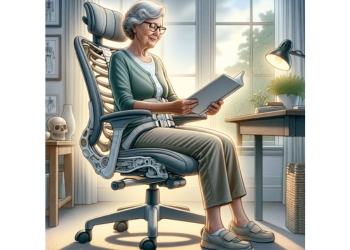
An office chair can be a part of a healthy lifestyle for someone with osteoporosis, but it’s not a standalone solution.
When it comes to osteoporosis, a condition where bones become weak and fragile, the type of seating you use can play a significant role, but it’s not as simple as saying an office chair is outright good or bad for it. The key lies in how the chair is used and its features.
Office Chairs can be beneficial if it’s designed ergonomically, that is, the chair supports good posture, has adjustable features to fit your body, and encourages slight movements.
Good posture is vital for osteoporosis patients because it helps distribute body weight evenly, reducing stress on bones, especially in vulnerable areas like the spine and hips.
An adjustable chair can be customized to support your back correctly, keep your feet flat on the ground, and ensure that your knees are at a right angle, all of which contribute to a healthy sitting posture.
Even so, sitting for prolonged periods, even in an ergonomic chair, is not advisable for osteoporosis patients. Extended sitting can lead to decreased bone density and muscle strength, worsening the issues caused by osteoporosis.
It’s essential to take frequent breaks to stand, stretch, and move around. Incorporating standing or walking during these breaks helps stimulate bone strength and maintains overall bone health.
Moreover, not all office chairs are created equal. A chair that’s not adjustable or doesn’t support the natural curve of your spine can do more harm than good, leading to poor posture and increasing the risk of fractures.
Related Article: 10 Best Office Chairs for Osteoporosis
The Advantages of Ergonomic Office Chairs for Osteoporosis Management
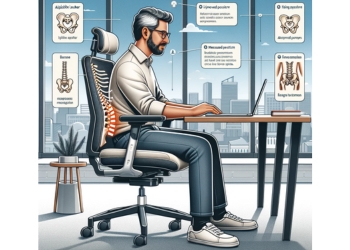
While no chair can cure osteoporosis, the right office chair can provide significant support and comfort, helping to manage some of the challenges associated with weakened bones.
Here’s how using the right kind of office chair can actually offer some benefits for people with osteoporosis:
Supports Good Posture
Good office chairs are designed to support proper posture. They help keep your spine in a natural position, which is really important for people with osteoporosis. This reduces the strain on your bones, especially on your back and hips.
Adjustability
Many office chairs come with adjustable features like seat height, backrest angle, and armrests. This adjustability means you can customize the chair to fit your body perfectly. When the chair fits you well, it helps distribute your weight evenly, which is good for your bone health.
Encourages Movement
Some modern office chairs are designed to encourage slight movements. This is great because staying in one position for too long isn’t good for your bones. These small movements help keep your muscles and bones active, even when you’re sitting.
Reduces Pressure on Hips and Spine
A well-designed chair provides adequate cushioning and support, which can reduce pressure on vulnerable areas like the hips and spine. This is especially beneficial for osteoporosis patients who are more prone to fractures in these areas.
Comfort
Comfort is key, especially for people who might experience pain due to osteoporosis. A comfortable chair makes it easier to sit for longer periods without discomfort, which is important for people who work at a desk all day.
Understanding How Sitting Affects Your Bones: A Dive into Bone Health
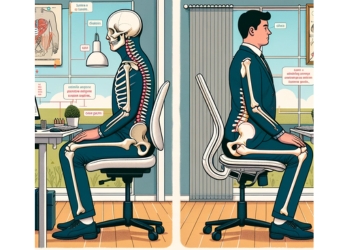
The science behind sitting and bone health is quite interesting and important, especially in our modern world where sitting for long hours is common. Sitting too much can be bad for your bones, especially if you have osteoporosis while good posture while sitting and taking regular breaks to move around can help keep your bones and the rest of your body healthier.
Bone Strength and Activity
Our bones are alive and constantly changing. They get stronger when we do activities that put a bit of stress on them, like walking or running. This is because these activities make the bones work against gravity, which is good for them. When we sit for a long time, our bones don’t get this kind of stress, which can lead to them becoming weaker over time. This is especially important for people with osteoporosis, a condition where bones are weaker and more likely to break.
Posture and Bone Stress
How you sit matters a lot for your bone health. If you slouch or have a bad posture while sitting, it can put uneven pressure on different parts of your body, like your spine. Over time, this can lead to problems in those areas. Good posture helps to distribute your weight evenly and keeps your bones and muscles balanced.
Muscle Support
Sitting a lot can also make your muscles weak, especially the ones that help you stand and walk. Strong muscles are important because they support and protect your bones. If your muscles are weak, your bones have to take on more stress, which isn’t good, especially if you have osteoporosis.
Movement is Key
Even if you have to sit for long periods, it’s important to get up and move around regularly. Movement helps your bones and muscles stay strong and healthy. It’s a bit like giving your body a mini-workout, which is always good for your bones.
Related Article: How Do You Sit On Chair With Osteoporosis
The Ideal Duration for Sitting in an Office Chair
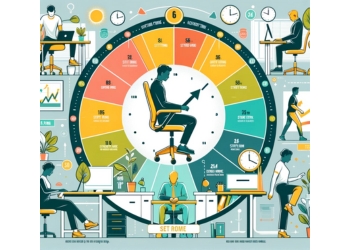
As we know, Sitting for too long may result in the weakening of the bones, and hence, it’s important to know that how long should you sit in an office chair especially since many of us spend a lot of time sitting at work or at home.
Let’s say simply that- not too long without a break. It’s recommended that you don’t sit for more than 30 minutes to an hour at a time.
Because when you sit for a long time, it can lead to various health issues like back pain, weakened muscles, and poor circulation. It’s also not great for your overall energy levels.
Getting up, stretching, or just walking around for a few minutes every half hour to an hour can make a big difference. This little break helps to keep your muscles active, improves blood flow, and can even boost your mood and concentration.
So, a good rule to follow is the 30/60 rule: after every 30 minutes of sitting, try to stand or walk for at least a minute, and after an hour of sitting, take a longer break or do some stretches.
This way, you’re balancing the time you spend sitting with important movement, which is good for your health.
Tips for Using Office Chairs for Osteoporosis
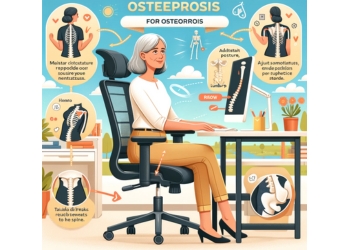
If you have osteoporosis, using an office chair properly is really important to help manage your condition and keep your bones as healthy and strong as possible. Here are some simple tips:
Choose an Ergonomic Chair: Look for a chair that supports your lower back, has adjustable seat height, and allows your feet to rest flat on the floor. This kind of chair helps you maintain good posture.
Adjust Your Chair Properly: Make sure your chair is adjusted to fit your body. Your knees should be at a 90-degree angle, and your feet should rest flat on the floor. The backrest should support the curve of your lower back.
Use a Footrest if Needed: If your feet don’t reach the floor, use a footrest. This helps keep your legs and spine properly aligned.
Sit Back in Your Chair: Don’t perch on the edge. Sit back so your back is against the backrest, which helps reduce strain on your spine.
Take Regular Breaks: Sitting too long in one position isn’t good. Try to stand up, stretch, or walk around every 30 minutes to an hour.
Maintain Good Posture: Keep your shoulders relaxed and back, and avoid slouching. Good posture reduces stress on your bones and muscles.
Use Cushions if Needed: If your chair isn’t comfortable, use cushions to provide extra support, especially for your lower back.
Don’t Cross Your Legs: This can cause poor circulation and put extra pressure on your bones. Keep your feet flat on the floor or on a footrest.
Stay Active: Incorporate exercise into your daily routine, as regular movement is essential for bone health.
Choosing the Right Office Chair: Key Factors to Consider
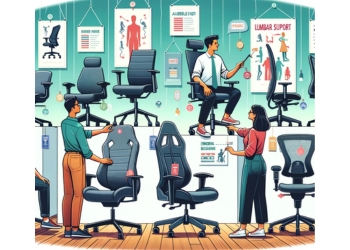
When looking for an office chair, there are several important factors to keep in mind to ensure you get the most comfort and support:
Ergonomic Design: Look for a chair that supports the natural curve of your spine. An ergonomic chair helps maintain proper posture and reduces strain on your back.
Adjustability: The ability to adjust your chair’s height, backrest angle, and armrests is crucial. This ensures the chair can be customized to fit your body and desk setup comfortably.
Seat Comfort: The seat should be comfortable with enough padding. It should also be wide and deep enough to sit comfortably for long periods.
Lumbar Support: Lower back support is essential. A good office chair should have adjustable lumbar support to fit the curve of your lower back.
Material and Breathability: The material of the chair should be breathable to keep you cool. Fabrics that allow airflow are preferable, especially if you sit for long hours.
Swivel and Mobility: A chair that swivels and has wheels is useful for moving around your workspace easily without straining.
Weight Capacity: Ensure the chair can support your weight comfortably and securely.
Style and Aesthetics: While not as crucial as comfort and support, choosing a style that fits your workspace can be a bonus.
Price: Balance quality with affordability. Investing in a good chair can be beneficial in the long run, especially for your health and comfort.
Related Article: Sitting On Office Chair Long Bad For Osteoporosis
Conclusion
While an office chair alone isn’t a cure for osteoporosis, it can play a significant role in managing the condition. A well-chosen, ergonomically designed office chair can provide crucial support for maintaining good posture, reducing strain on vulnerable bones, and encouraging healthy sitting habits.
Despite that, it’s important to remember that no chair, no matter how well designed, can replace the benefits of regular movement and exercise, essential for bone health. For those with osteoporosis, balancing time spent sitting with regular breaks for standing and walking is key.
So, while a good office chair can be a valuable tool in your osteoporosis management, it’s just one piece of the puzzle. Combining the use of a supportive chair with a healthy lifestyle and appropriate medical care is the best approach to managing osteoporosis effectively.
Frequently Asked Questions
Can an office chair worsen osteoporosis symptoms?
Yes, if the chair is poorly designed and doesn’t support good posture, it can worsen osteoporosis symptoms. Chairs that don’t provide enough lower back support or encourage slouching can put additional stress on the bones, potentially leading to discomfort and increasing the risk of fractures.
How often should I replace my office chair to support my osteoporosis?
Generally, office chairs should be replaced every 7-10 years, but if you start noticing that the chair no longer provides the same level of support or comfort, it might be time for a new one. Regular wear and tear can affect the chair’s effectiveness in providing proper support.
Are standing desks beneficial for someone with osteoporosis?
Yes, standing desks can be beneficial as they encourage movement and reduce the amount of time spent sitting. However, it’s important to alternate between sitting and standing, as standing for too long can also have negative effects.
Can using a cushion on my office chair help with osteoporosis?
Using a cushion can provide additional support and comfort, especially if your chair isn’t ergonomically designed. Cushions designed for lumbar support can be particularly helpful in maintaining good posture and reducing strain on your lower back.
Should I avoid certain types of chairs if I have osteoporosis?
It’s best to avoid chairs that are too soft or don’t offer enough back support. Chairs that force you into a slouched position or don’t allow your feet to rest flat on the floor can contribute to poor posture and increased bone stress.

Julie D. Williams is a seasoned chair connoisseur with a decade in the furniture realm. She combines her keen eye for design and deep knowledge of ergonomics to provide readers with reviews and guides, ensuring comfort and style in every recommendation. Each piece is a fusion of aesthetics and function, tested and approved by Julie. A believer in the power of the perfect seat to transform spaces, she’s your go-to source for impeccable finds. When not reviewing chairs, Julie is on the hunt for vintage décor, weaving comfort and beauty into every aspect of life.