
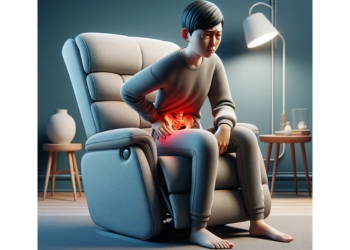
“Can sitting in a recliner cause hip pain?” This question may cross your mind as you sink into your comfortable recliner to relax.
Recliners are popular in many homes for their comfort and convenience, letting us kick back and take it easy.
But have you ever wondered if sitting in these comfy chairs could be a reason for hip pain? While we often look to our recliners for relief after a tiring day, it’s important to understand how they might affect our body, especially our hips.
In this article, we will look into whether relaxing in your favorite recliner could unexpectedly lead to discomfort in your hips, and what you can do to enjoy your chair without the worry of pain.
Understanding Hip Pain
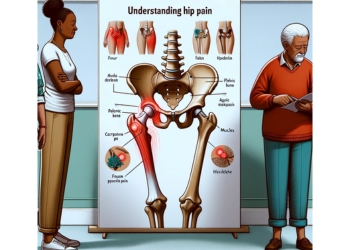
Understanding hip pain is important because it’s a common issue that many people face. They are like a big hinge connecting your legs to your torso. The hip is a big joint in our body where the thigh bone meets the pelvis.
It’s designed to handle a lot of movement and support our weight, which is why it’s so strong. However, because we use our hips for so many things – like walking, sitting, and bending – they can sometimes start to hurt.
Hip pain can feel different for everyone; it might be a sharp sting, a dull ache, or even a feeling of tightness. This pain can be caused by a bunch of different things like an injury, sitting too long in one position, or even because of how old you are. There are also certain health conditions, like arthritis, which can make the hip joint painful because it gets inflamed.
Sometimes, it’s just a simple muscle strain, but other times, it could be something more serious. That’s why it’s important to know what’s causing your hip pain, especially if it doesn’t go away or keeps coming back.
It’s important to pay attention to hip pain because it tells us something might not be right. If the pain is bad or doesn’t go away, it’s a good idea to talk to a doctor who can help figure out what’s causing it and how to make it better.
Understanding hip pain helps you take better care of your hips and keep them healthy and happy!
Can Sitting In A Recliner Cause Hip Pain
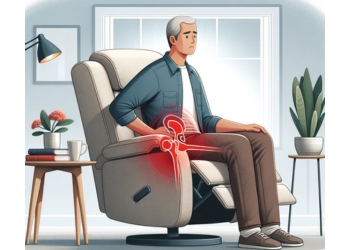
Yes, sitting in a recliner can cause hip pain, but it’s not the same for everyone as it really depends on several factors.
Let’s break it down. Recliners are meant to give you comfort with their soft, adjustable features. They’re great for kicking back and relaxing. However, if you spend a lot of time in one, or if your recliner doesn’t fit your body just right, it might lead to hip pain.
Here’s why: When you sit in the same position for a long time, especially in a chair that doesn’t support your body well, it can put pressure on your hips. This pressure can cause discomfort or even pain.
Also, you might move around less if you’re always lounging in a recliner. Less movement means your hip muscles can get weak and stiff, which can also lead to pain. Good posture is key, even when you’re relaxing in a cozy chair.
But don’t worry, not all hope is lost! You can still enjoy your recliner. Just try to pick one that fits your body well and gives good support. Also, remember to stand up, stretch, and walk around now and then.
This helps keep your hips from getting stiff and sore and doing some exercises to strengthen your hip muscles can be a big help too.
So, while sitting in a recliner can cause hip pain, with the right chair and some healthy habits, you can still relax in your favorite spot without hurting your hips.
Best Sitting Position for Hip Pain
Finding the best sitting position for hip pain is a bit like solving a puzzle – it’s about finding what works best for your body. Ideally, you want to sit with your feet flat on the floor and your knees at a right angle, like a chair that fits you just right.
This position helps keep your hips and spine in a natural, comfortable alignment. Avoid crossing your legs, as this can put extra pressure on your hips. Using a cushion for extra support under your thighs can be a big help. It’s like adding a soft layer to even out the pressure.
Adjust your position often; staying in one position for too long can make things worse. Think of it as giving your hips a little break now and then to keep them happy and pain-free.
Related Article: Best Recliners for Hip Replacement Surgery: Elevating Comfort
Why Your Recliner Might Be Causing Hip Pain
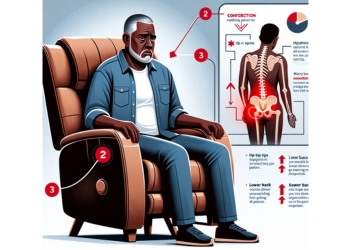
Sitting in a recliner might feel like the best way to relax, but it can sometimes lead to hip pain. Let’s look at why this happens:
Poor Support
A recliner that doesn’t properly support your body can lead to hip pain. Imagine your hips like puzzle pieces; if the chair doesn’t fit them just right, it can cause discomfort. A chair that’s too soft or doesn’t align with your body’s natural shape can put unnecessary strain on your hips, leading to aches and pains.
Sitting Too Long
When you sit in a recliner for a long time, your hip muscles can get lazy and stiff. It’s like not exercising; without movement, your muscles aren’t as strong or flexible. This lack of activity can lead to hip pain because your muscles aren’t being used and stretched as they should be.
Awkward Positions
Sitting in odd positions, like slouching or crossing your legs in a recliner, can twist and pressure your hips in unnatural ways. Imagine bending a hose; when you sit in a way that’s not straight, it can kink up the flow, putting pressure on your hips and causing pain.
Pressure Points
Some recliners might have hard spots or uneven cushioning that press against your hips. Think of wearing a tight shoe; just as a shoe can leave a mark on your foot, these pressure points can press into your hips and cause soreness.
Lack of Movement
Hips need to move to stay healthy. If you’re always sitting, they don’t get to stretch and move around. It’s like a door hinge that gets rusty from not being used; without regular movement, your hips can become stiff and painful.
How a Recliner Can Help Ease Hip Pain
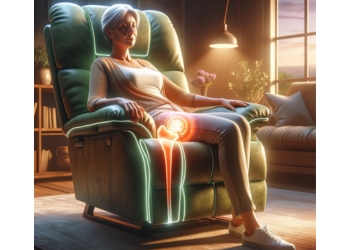
Using a recliner in a smart way can actually be a part of taking care of your hip pain, offering comfort and support where your body needs it.
Proper Posture
A well-designed recliner can encourage good sitting posture, just like a supportive pair of shoes helps your feet. By aligning your body correctly, it reduces strain on your hips. This proper support can be crucial in preventing and alleviating hip pain, as it ensures your hips aren’t under unnecessary stress.
Relieves Pressure
Recliners can act as a gentle cushion for your hips, lifting the pressure off them. This is especially helpful if you have hip pain; it’s like using a soft pillow to cushion a sore spot. The right recliner can distribute your weight evenly, preventing pressure points and easing discomfort in your hips.
Improves Circulation
Elevating your legs in a recliner can boost blood flow, which is essential for healing and comfort. It’s similar to the relief you feel when you put your feet up after a long day. This improved circulation can help reduce swelling and pain in the hips, providing a soothing effect.
Customizable Positions
The ability to adjust a recliner to find the most comfortable position is like fine-tuning a musical instrument. It lets you find the perfect angle to minimize hip stress and discomfort. This customization is key to managing hip pain, as it lets you adapt the chair to your body’s unique needs.
Encourages Movement
Recliners with rocking or swiveling features promote gentle, regular movement. This is similar to doing light stretching exercises, which can prevent your hips from becoming stiff and sore. This kind of subtle movement is beneficial for hip health, as it keeps the joints and muscles active and flexible.
Related Article: Are Recliners Bad for Your Hips?: The Truth Revealed
How to Manage Hip Pain when Sitting
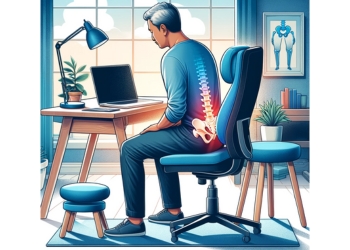
Managing hip pain when sitting can be easier than you think. It’s all about finding what works best for your body and giving it the care it needs. Here are some simple tips:
Choose the Right Chair: Pick a chair that supports your back and hips well. It should be like finding a comfortable pair of shoes – it needs to fit you just right.
Use Cushions for Support: Placing a cushion on your chair can help a lot. It’s like adding an extra layer of comfort to take the pressure off your hips.
Keep Your Feet Flat: Try to keep your feet flat on the ground and your knees at a right angle. It’s like planting your feet firmly on the ground to give your body a stable base.
Take Regular Breaks: Standing up and moving around every so often is crucial. Think of it like hitting the refresh button on your computer – it gives your body a chance to reset and prevents stiffness.
Stretch Regularly: Doing simple stretches can help ease hip pain. It’s like gently loosening up a tightrope – it helps keep your hips flexible and pain-free.
Adjust Your Position: Don’t stay in one position for too long. It’s good to shift around a bit, like finding a new comfy spot on the couch.
Things to Consider When Looking for a Recliner
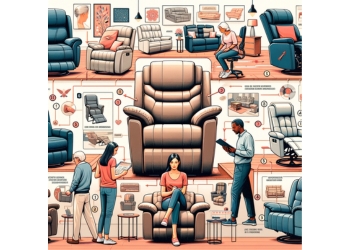
Size and Fit: Finding a recliner that fits you is like picking a comfortable outfit. You should be able to sit with your feet touching the ground and your head resting comfortably on the headrest. A recliner that’s too big or small can be uncomfortable and might not provide the support your body needs.
Support: Good support is key. Your recliner should offer firm, comfortable backing for your lower and upper back, as well as your hips. It’s like a friendly hug; it should feel snug and supportive, not loose or overly tight, to prevent any strain on your body.
Reclining Mechanism: The recliner’s mechanism should be easy to use, like flipping a light switch. It shouldn’t require too much effort to recline or return to an upright position. A smooth mechanism means less hassle and more relaxation.
Material and Cushioning: The material of the recliner should feel good against your skin and be durable, like your favorite jacket. Cushioning is important too – it should be soft enough for comfort but firm enough to offer support. The right balance will ensure your recliner remains comfortable for years.
Extra Features: Extras like heating, massage options, or a swivel base are like the cherry on top of a sundae. They’re not essential, but they can enhance your relaxation experience. Consider what features will make your reclining experience more enjoyable.
Your Home Space: The recliner should fit well in your space, both in size and style. It’s like placing a new decoration in your living room; it needs to complement the space without overcrowding it. Ensure there’s enough room to fully recline without bumping into anything.
Related Article: Can I Sit in a Recliner After Hip Replacement?: Surgery Care
Conclusion
Sitting in a recliner can cause hip pain, but it doesn’t have to. It’s all about how you use your recliner and which one you choose. Like picking the right pair of shoes for a long walk, choosing the right recliner for your body is key.
Make sure it fits you well and supports your hips and back properly. Remember to not stay seated for too long – get up and move around regularly, just like taking breaks during a long drive.
And keep your body active with some light exercises to keep your hip muscles strong and flexible. If you do all this, you can enjoy the comfort of your recliner without worrying about hip pain.
Think of your recliner as a cozy spot for relaxation that needs to be used wisely for the best experience.
Frequently Asked Questions
How long is too long to sit in a recliner?
It’s best to get up and move every 30 minutes or so. Staying in any chair, including a recliner, for too long can make your muscles stiff and lead to discomfort. Think of it like pausing a movie for a quick stretch – it’s a small break for your body.
Can changing the angle of the recliner help with hip pain?
Yes, adjusting the angle can help. Try different positions to find one that feels most comfortable for your hips. It’s like adjusting a pillow to get comfortable in bed; sometimes a small change makes a big difference.
Should I use a footrest with my recliner to prevent hip pain?
Using a footrest can help by keeping your legs and hips aligned. It’s like using a bookstand to hold your book at the right angle – it keeps things in a comfortable position.
Are there specific types of recliners better for hip pain?
Recliners with good lumbar support and adjustable angles are often better. Look for ones that can be customized to your body, like choosing a car with adjustable seats for a long drive.
Can using a cushion on my recliner prevent hip pain?
Yes, a cushion can provide extra support and comfort. It’s like adding an extra layer to your mattress for better sleep. A cushion can help distribute your weight evenly and reduce pressure on your hips.

Julie D. Williams is a seasoned chair connoisseur with a decade in the furniture realm. She combines her keen eye for design and deep knowledge of ergonomics to provide readers with reviews and guides, ensuring comfort and style in every recommendation. Each piece is a fusion of aesthetics and function, tested and approved by Julie. A believer in the power of the perfect seat to transform spaces, she’s your go-to source for impeccable finds. When not reviewing chairs, Julie is on the hunt for vintage décor, weaving comfort and beauty into every aspect of life.