
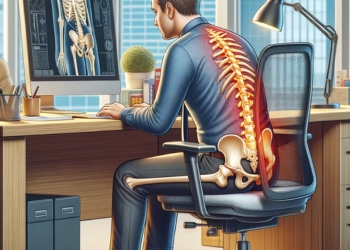
“Is sitting on office chair long bad for osteoporosis?” This question has gained significant attention as our work environments become increasingly sedentary.
Osteoporosis, a condition that weakens bones and makes them more prone to fractures, is often linked to lifestyle factors, including physical activity levels. In a world where many jobs demand long hours of sitting, understanding the impact of this inactive behaviour on bone health is crucial.
This article delves into the relationship between prolonged sitting and osteoporosis, exploring how extended periods spent in office chairs can affect bone density and overall skeletal strength.
We aim to provide insights into preventive measures and lifestyle adjustments that can reduce these effects, offering guidance for maintaining strong and healthy bones in a desk-bound work culture.
What is Osteoporosis?
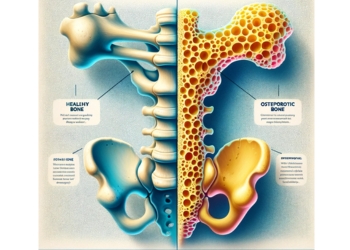
Osteoporosis is a condition that affects your bones which makes them weak and more likely to break. Imagine your bones as a honeycomb. In a healthy bone, the honeycomb is dense and strong, but in osteoporosis, the spaces in this honeycomb become larger, meaning the bone isn’t as solid as it should be. This happens because, over time, your body loses more bone than it can create.
Normally, our body continuously gets rid of old bone and replaces it with new bone. But with osteoporosis, this balance is thrown off. Your body either loses too much bone, doesn’t make enough new bone, or both.
As a result, bones become so fragile that even a minor bump or fall can cause a serious fracture. This is why osteoporosis is sometimes called a “silent disease” – you might not know you have it until a minor incident leads to a bone break.
Maintaining Bone Health with Correct Seating Postures
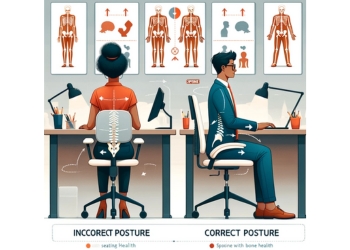
Proper seating is not just about comfort; it’s a vital aspect of maintaining bone health, particularly for those at risk of or living with osteoporosis. By adopting correct seating postures and using ergonomic furniture, one can significantly contribute to the health and strength of their bones.
For individuals with osteoporosis, or those looking to prevent it, the importance of proper seating cannot be overstressed. Correct seating postures play a crucial role in maintaining bone health, especially in a lifestyle that involves prolonged periods of sitting, like office work.
Sitting in the right way helps distribute your body weight evenly, reducing unnecessary stress on your bones. This is particularly important for the spine and hips, which are common areas affected by osteoporosis. A good seating posture ensures that these areas are not weakened over time.
Moreover, proper seating can encourage small movements and adjustments. These subtle movements are beneficial as they stimulate bone strength and prevent bones from becoming too fragile. On the other hand, poor seating habits may lead to an inactive lifestyle leading to loss of bone density.
In addition to posture, the type of chair used is also important. Ergonomic chairs, which are designed to support the natural curve of the spine and promote good posture, can be particularly beneficial. These chairs help in maintaining an upright position, ensuring that the back, neck, and hips are aligned, reducing the risk of developing or worsening osteoporosis.
Is Sitting On Office Chair Long Bad For Osteoporosis?
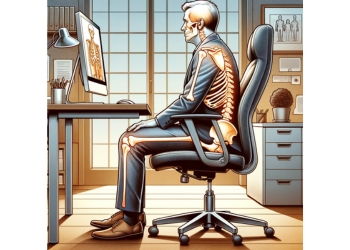
Yes, sitting on an office chair for too long can be bad for osteoporosis. When you sit for a long time without moving much, it doesn’t help your bones stay strong. Bones are like muscles – they need to be used and challenged to stay healthy. When you’re active, your bones adapt to the stress you put on them by building more bone tissue, which makes them stronger.
But when you sit for hours, your bones don’t get this kind of stimulation. Prolonged sitting mainly affects important areas like the spine and hips which are more prone to fractures in osteoporosis patients. Sitting a lot can lead to weaker bones and increase the risk of fractures, particularly in people who already have osteoporosis or are at risk of developing it.
To help your bones, it’s good to stand up, stretch, and walk around regularly throughout the day. This kind of movement helps your bones stay strong and can reduce the negative effects of sitting too long. Also, doing exercises that make your muscles work against gravity – like walking or lifting weights – can really help your bones stay healthy.
Related Article: Are Massage Chairs Good For Osteoporosis?
Ideal Sitting Time in an Office Chair: Finding the Right Balance
When it comes to how long you should sit in an office chair, you need to find a balance. Experts generally do not recommend sitting for long, it’s best to stand up, stretch, or walk around every 30 minutes. This will help you keep your muscles active and blood circulating which is good for your bones.
If you have a job that requires you to sit most of the day, try to break it up. For example, after every 30 minutes of sitting, stand or walk for 1 to 2 minutes. Our bodies are designed to move, so finding opportunities to walk, stretch, or just stand helps maintain better overall health, including the health of your bones.
Including short breaks in your routine can make a big difference in how your body feels and functions. Using a standing desk for a part of the day can also be a good idea.
How Excessive Sitting Affects Bone Health in Osteoporosis
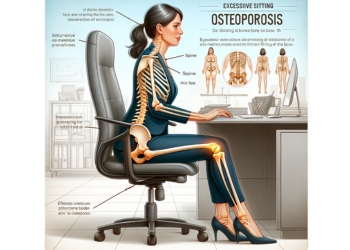
Sitting too long in an office chair can lead to several issues that negatively impact bone health, especially for people with or at risk of osteoporosis. Here’s how:
Reduced Bone Density
Our bones need regular physical activity to maintain their density. When you sit for extended periods, your bones don’t bear weight or resist gravity, which they need to stay strong. Lack of activity makes the bone weaker and more prone to fractures.
Poor Circulation
Sitting for too long can slow down blood circulation. Good circulation is important for transporting nutrients to your bones and removing waste products. Poor circulation can therefore affect the health of your bones.
Muscle Weakness
Long periods of sitting could make the muscles weak, mainly in the legs and lower back. Strong muscles are important for supporting and protecting bones, so muscle weakness can indirectly affect bone health.
Posture Problems
Sitting in an office chair for long hours, often in poor posture, can put extra stress on the spine which is especially concerning for people with osteoporosis because their bones are more fragile and are able to be easily damaged.
Hormonal Imbalances
Physical activity plays a role in regulating hormones that affect bone health. Inactivity due to excessive sitting can disrupt these hormonal balances, potentially impacting bone density.
Positive Aspects of Seated Work for Osteoporosis Management
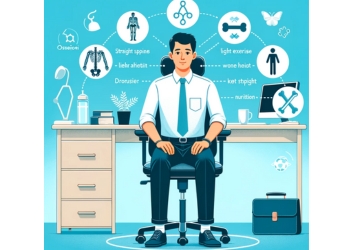
Even though sitting for long periods can be problematic for individuals with osteoporosis, it also has some benefits if done correctly and carefully. Here’s how seated work can be advantageous for individuals with osteoporosis:
Support and Stability
A good office chair provides essential support and stability, especially for the spine and hips. For people with osteoporosis, proper support can help in maintaining correct posture and reducing the risk of fractures.
Reduced Physical Strain
For individuals with advanced osteoporosis, standing or walking for long periods might be challenging and uncomfortable. Sitting in a comfortable and supportive chair can help reduce physical strain and discomfort.
Ability to Maintain Activity Levels
Proper seating allows individuals with osteoporosis to stay active in a work environment. It enables them to continue working and engage in activities that might be difficult if standing or moving constantly were required.
Opportunity for Micro-Movements
Even while sitting, you can perform small movements and stretches. These micro-movements can help maintain flexibility and circulation, which are beneficial for bone health.
Ergonomic Benefits
Modern ergonomic chairs are designed to promote good posture and reduce the risk of musculoskeletal problems. For someone with osteoporosis, an ergonomic chair that encourages proper alignment can be especially helpful.
Related Article: 10 Best Office Chairs for Osteoporosis
Smart Ways to Use Office Chairs for Better Bone Health
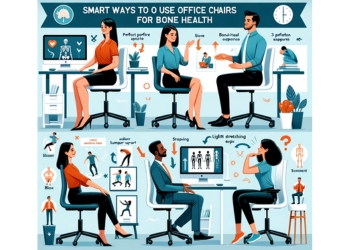
Using an office chair correctly can help you maintain better bone health, especially if you have osteoporosis. The key is balance and movement, even when you have to sit for extended periods. Here are some tips:
Choose an Ergonomic Chair: Go for a chair that supports your back and good posture. An ergonomic chair can help align your spine and reduce pressure on your hips and back.
Adjust Your Chair Correctly: Make sure your chair is adjusted to your body. Your feet should be flat on the floor, and your knees should be at a 90-degree angle. This helps distribute your weight evenly and reduces strain on your bones.
Use a Footrest if Needed: If your feet don’t reach the floor, use a footrest. This prevents dangling legs, which can lead to poor circulation and increased pressure on your lower back.
Maintain Proper Posture: Sit back in your chair with your back straight and shoulders back. Avoid slouching or leaning forward, as this can put extra strain on your spine and hips.
Take Regular Breaks: Stand up and move around every 30 minutes to an hour. Regular movement helps stimulate bone strength and prevents stiffness in your muscles and joints.
Do Seated Exercises: While sitting, try some simple stretches or leg lifts. This helps improve circulation and keeps your muscles engaged.
Position Your Workstation Properly: Your computer screen should be at eye level, and your keyboard should be easy to reach. This reduces the need to lean forward and puts less strain on your neck and back.
Use Back Support if Necessary: If your chair doesn’t provide enough lower back support, use a cushion or a rolled-up towel to support your lumbar spine.
Stay Hydrated and Eat Healthy: While not directly related to your chair, staying hydrated and eating a bone-healthy diet can support your overall bone health while you work.
Key Considerations for Choosing the Right Office Chair
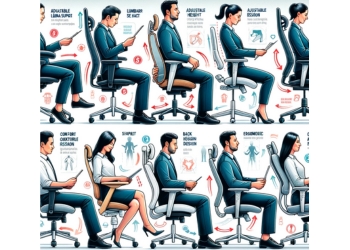
When shopping for an office chair, it’s important to consider several factors to ensure you get one that suits your needs, especially if you spend a lot of time sitting. Here are the key things to look for:
Ergonomic Design: Look for a chair that supports the natural curve of your spine. Good ergonomic chairs offer lumbar support, which is crucial for maintaining proper posture.
Adjustability: The more adjustable the chair, the better. You should be able to adjust the height, backrest, and armrests to fit your body. This customization helps reduce strain on your back, neck, and arms.
Seat Comfort: The seat should be comfortable and spacious enough for you to sit comfortably. It should also have enough padding to support your hips and thighs without feeling too hard or too soft.
Sturdy Base and Mobility: A chair with a sturdy base and smooth-rolling casters makes it easier to move around without straining. This is important for maintaining mobility and encouraging small movements.
Breathable Material: Chairs with breathable fabric can help keep you cool and comfortable, especially if you sit for long periods.
Support for Posture: The chair should encourage a healthy sitting posture. Your feet should rest flat on the floor, and your knees should be at a 90-degree angle.
Build Quality and Durability: Look for a chair that’s well-built and durable, so it lasts longer and provides consistent support.
Style and Aesthetics: While not as crucial as ergonomic features, you might also consider the style and aesthetics of the chair, especially if it’s for your home office.
Related Article: How Do You Sit On Chair With Osteoporosis
Conclusion
Sitting in an office chair for extended periods can indeed have negative effects on individuals with or at risk for osteoporosis. Long hours of sitting can lead to weaker bones due to decreased physical activity, which is essential for maintaining bone strength and density.
However, these negative effects can be minimized by taking regular breaks to stand, stretch, and walk around. Incorporating movement into your daily routine, even in small ways, can significantly benefit bone health. Using an ergonomic chair and maintaining good posture while sitting are also important practices.
Ultimately, balancing sitting time with regular physical activity is key to managing and preventing osteoporosis, ensuring strong and healthy bones even in an inactive work environment.
Frequently Asked Questions
Can changing my diet help counteract the effects of sitting too long?
Yes, a balanced diet can help. Eating foods rich in calcium and vitamin D is essential for bone health. Incorporating Fruits, vegetables, and proteins can also support your bones. Despite that, diet alone cannot help with the effects of sitting too long, so it’s important to include regular physical activity.
Does sitting with a poor posture have a different impact than sitting with a good posture?
Absolutely. Sitting with poor posture puts extra stress on the spine and hips which increases the risk of osteoporosis-related complications. Good posture helps distribute your body weight evenly, reducing the risk of bone and joint problems.
How does mental stress affect osteoporosis, and is it related to sitting long hours?
Mental stress can negatively impact overall health, including bone health. It can disrupt hormonal balances crucial for bone density. Long hours of sitting, especially if it contributes to stress, can worsen this effect. Incorporating stress-reduction techniques and taking regular breaks can help mitigate these effects.
Is there a difference in the impact of sitting on men and women regarding osteoporosis?
Yes, women are generally more prone to osteoporosis than men, partly due to hormonal differences. This means prolonged sitting might have a more significant impact on women, especially post-menopause. Even though, both men and women should be mindful of the risks associated with prolonged sitting.
Can using a standing desk help prevent osteoporosis?
Using a standing desk can be beneficial as it reduces the time spent sitting and encourages movement. Even so, standing for long is also not advisable as it has adverse effects. The key is to keep changing your position and stay active throughout the day.

Julie D. Williams is a seasoned chair connoisseur with a decade in the furniture realm. She combines her keen eye for design and deep knowledge of ergonomics to provide readers with reviews and guides, ensuring comfort and style in every recommendation. Each piece is a fusion of aesthetics and function, tested and approved by Julie. A believer in the power of the perfect seat to transform spaces, she’s your go-to source for impeccable finds. When not reviewing chairs, Julie is on the hunt for vintage décor, weaving comfort and beauty into every aspect of life.