
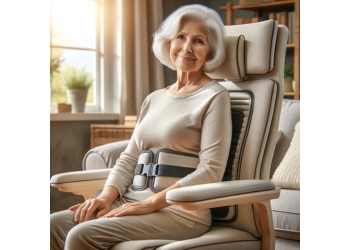
How Do You Sit On Chair With Osteoporosis?” is a question many ask when dealing with this bone-weakening condition. Sitting comfortably with osteoporosis can be difficult but it’s important for preventing pain.
Osteoporosis is a condition that weakens bones and makes them more prone to fractures which requires careful consideration when performing everyday activities, including sitting. A major concern is ensuring that your posture and the type of chair you use support your body correctly.
This article aims to provide practical advice and simple tips to help individuals with osteoporosis sit comfortably and safely. We’ll explore proper sitting postures and additional measures that can be taken to enhance comfort and minimize the risk of injury. Whether at home, work or during leisure activities, these guidelines will help you maintain a comfortable sitting position while taking care of your bones.
Understanding Osteoporosis
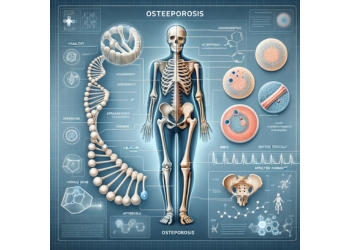
Osteoporosis is a condition which results in weak bones that are more prone to fractures and breaks. Imagine your bones like a honeycomb; in osteoporosis, this honeycomb structure becomes less dense, meaning there are larger spaces and less bone mass. This change makes bones less sturdy and more likely to break from minor falls or, in severe cases, from simple actions like sneezing or bumping into furniture.
The condition is often called a “silent disease” because it typically develops over years without causing any symptoms until a bone fracture occurs. While it can affect anyone, it’s most common in older adults, particularly postmenopausal women. Factors like genetics, dietary habits, lifestyle choices, and certain medications can influence its development.
It’s a sneaky adversary – you might not know you have it until you break a bone, so making early detection through bone density tests is important. By embracing a healthy lifestyle that includes proper nutrition, regular exercise, and avoiding smoking and excessive alcohol, you can strengthen your bones and reduce the risk of osteoporosis.
The Importance of Proper Seating for Bone Health in Osteoporosis
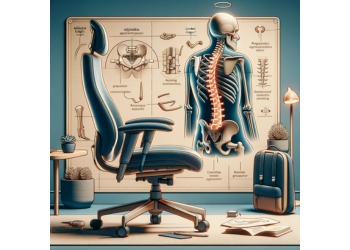
The right sitting position can be very important in supporting bone health, especially for the ones dealing with osteoporosis. When bones are fragile and prone to fractures, even everyday activities like sitting can pose risks.
Proper seating provides necessary support, helping to reduce strain on bones and joints. It’s not just about comfort; it’s about protecting your bones and preventing injuries, which is especially important for maintaining overall health and mobility in osteoporosis.
The weight of the body is evenly distributed with the proper seating posture, minimizing the unwanted pressure, especially on the spine, hips and pelvis, which are more prone to fractures in osteoporosis patients. Good posture also encourages healthier bone density by engaging the muscles and bones in a balanced way.
For individuals with osteoporosis, chairs with firm, straight backs, armrests, and adjustable heights are ideal. These features ensure the spine is well-supported and aligned, reducing pressure on the back and hips.
A chair that’s too soft can cause slouching, putting extra stress on the spine and hips, while a too-hard chair can be uncomfortable and discourage proper sitting posture.
Related Article: Is An Office Chair Good For Osteoporosis?
How Do You Sit On Chair With Osteoporosis
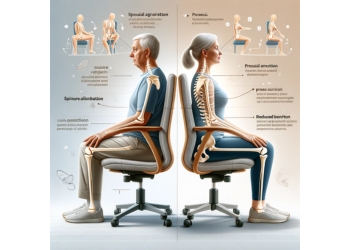
Sitting comfortably with osteoporosis can be challenging. But with proper steps, you can ensure you’re supporting your bones and reducing the risk of discomfort or injury.
Choose the Right Chair
Start with a chair that offers good support. It should have a firm, comfortable seat and a backrest that supports the natural curve of your spine. Adjustable chairs are ideal as they can be customized according to your body’s needs.
Adjust Your Sitting Position
Sit back in the chair so that your back is fully against the backrest. Adjust the chair height so your feet are flat on the floor, with your knees at a 90-degree angle. This position ensures an even distribution of weight and reduces strain on your bones.
Use Supportive Cushions
If your chair doesn’t provide enough lumbar support, use a small cushion or a rolled-up towel to support your lower back. This helps maintain the natural curve of your spine and reduces the risk of compression fractures in the vertebrae.
Position Your Arms Correctly
Ensure your arms are comfortably supported, either on the armrests of the chair or on your desk. Your shoulders should be relaxed and not hunched, to reduce strain on your upper spine and neck.
Take Regular Breaks
Sitting for prolonged periods isn’t advisable, especially with osteoporosis. Stand up, stretch, and walk around every 30 minutes to encourage blood flow and to give your bones and muscles a change of position.
Practice Good Posture
Always be mindful of maintaining good posture. Avoid slouching or leaning forward, as this can put additional pressure on your spine and hips.
Stay Active
While this guide focuses on sitting, it’s important to balance sitting with regular, gentle exercises like walking, which helps in strengthening bones and maintaining overall bone health.
Related Article: 10 Best Office Chairs for Osteoporosis
Benefits of Using Chairs for Osteoporosis
Supports Proper Posture
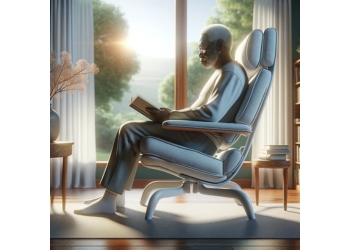
Chairs designed for people with osteoporosis provide crucial support for maintaining the right posture. Proper posture reduces the strain on the spine and helps prevent vertebral fractures, a common issue in osteoporosis.
Reduces Risk Injuries
A stable and supportive chair decreases the risk of falls when sitting down or standing up. This is particularly important for those with osteoporosis, as their bones are more fragile and prone to fractures.
Enhances Comfort
Chairs with appropriate cushioning and support can significantly increase comfort, especially for those who may experience pain due to osteoporosis. This makes activities like reading, working, or dining more enjoyable.
Promotes Independence
For individuals with osteoporosis, a good chair can mean greater independence. It allows them to sit and stand up more easily, without needing assistance, thus fostering a sense of self-reliance.
Encourages Safe Movement
Chairs with adjustable features enable safe and gentle movements. This is essential for maintaining mobility and flexibility, which are key in managing osteoporosis effectively.
Personalized Comfort
Many chairs suitable for osteoporosis patients come with adjustable features, allowing each individual to find the most comfortable and supportive position for their unique needs.
The Role of Physical Therapy and Exercises in Managing Osteoporosis

Strengthening Bones: Weight-bearing exercises, like walking or gentle aerobics, can help strengthen bones. These activities force your body to work against gravity, stimulating bone growth and increasing bone density.
Improving Balance and Coordination: Physical therapy includes exercises that enhance balance and coordination. This is vital in preventing falls, a major risk for people with osteoporosis, as falls can lead to serious fractures.
Increasing Flexibility and Range of Motion: Regular exercises and targeted physical therapy can improve flexibility and range of motion. This reduces the stiffness and pain often associated with osteoporosis, making daily activities easier and more comfortable.
Reducing Pain: Physical therapy often includes techniques that help manage pain, a common symptom for many with osteoporosis. This can include gentle stretching, massage, and posture training.
Customized Exercise Plans: Physical therapists can design personalized exercise programs based on an individual’s specific needs, health status, and the severity of osteoporosis. This ensures that the exercises are both safe and effective.
Educational Guidance: Physical therapists also provide valuable education on how to manage osteoporosis through lifestyle changes, including diet and activities to avoid that might increase the risk of fractures.
Related Article: Are Massage Chairs Good For Osteoporosis?
Factors to Consider When Choosing a Chair for Osteoporosis
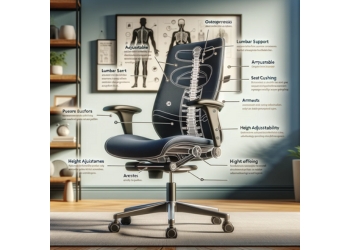
Ergonomic Design: Look for a chair with an ergonomic design that supports the natural curve of your spine. Proper lumbar support is important to maintain good posture and reduce the strain on your back.
Seat Height and Depth: The height of the chair should allow your feet to rest flat on the floor with your knees at a 90-degree angle. The depth of the seat should be such that your back rests against the backrest while leaving a small space behind your knees.
Adjustability: Adjustable chairs are ideal as they can be customized to fit your body. Look for chairs where you can adjust the height, backrest angle, and armrests.
Sturdy Armrests: Armrests provide support while sitting down and standing up. They should be sturdy and ideally adjustable to suit your needs.
Cushioning: Adequate cushioning is important for comfort, but it shouldn’t be too soft. Overly soft cushions can make standing up difficult and might not provide enough support.
Stability: The chair should be stable and not wobble. A stable base is important to prevent falls, especially when getting in and out of the chair.
Material and Maintenance: Consider the material of the chair for both comfort and ease of cleaning. Breathable fabrics are preferable for comfort, especially if you’ll be sitting for extended periods.
Size and Space: Make sure the chair fits well in your living space and allows you to move around freely. It should be easy to access and not obstruct movement in the room.
Ease of Use: The chair should be easy to use, with controls that are simple to operate if it has adjustable features.
Professional Recommendations: It may be helpful to consult with a healthcare provider or an occupational therapist for specific recommendations based on your individual health needs.
Related Article: Sitting On Office Chair Long Bad For Osteoporosis
Conclusion
Sitting comfortably with osteoporosis requires mindful choices and practices. Choosing the right chair is essential; it should support your back, allow your feet to rest flat on the floor, and provide stability and ease of movement. Remember to adjust your sitting position frequently, use supportive cushions if needed, and ensure your arms are comfortably supported.
While a good chair plays a crucial role, it’s equally important to balance sitting time with regular breaks to stand, stretch, or walk. This not only helps in maintaining good posture but also contributes to overall bone health and mobility.
Implementing these simple yet effective tips can significantly enhance comfort and reduce the risk of pain or injury while sitting. For those living with osteoporosis, these practices are not just about comfort but also about fostering a lifestyle that supports and protects their bone health.
Frequently Asked Questions
How often should I change my sitting position if I have osteoporosis?
It’s recommended to change your sitting position every 30 minutes. This helps to reduce stiffness and maintain good circulation, which is important for bone health.
Are there any specific chair materials that are better for osteoporosis?
Chairs with breathable fabrics are preferable as they provide comfort without causing overheating, especially if you sit for long periods. Avoid materials that cause you to sweat excessively or stick to the chair.
Can using a footstool help when sitting with osteoporosis?
Yes, a footstool can be helpful, especially if the chair is too high and your feet don’t comfortably reach the floor. It helps in maintaining proper alignment and reduces strain on your legs and lower back.
Should I avoid certain types of chairs if I have osteoporosis?
It’s best to avoid chairs that are too low or have deep, soft cushions. These can be difficult to get out of and may not provide adequate support for your spine and hips.
Is it okay to use a recliner if I have osteoporosis?
A recliner can be used if it provides good back support and doesn’t encourage a slouched position. Make sure it’s easy to get in and out of and adjust it to a position that maintains good posture.
How important is the backrest angle in a chair for someone with osteoporosis?
The backrest angle is quite important. It should support the natural curve of your spine. An overly reclined or upright angle can put additional strain on your back, so find a position that feels comfortable and supportive.

Julie D. Williams is a seasoned chair connoisseur with a decade in the furniture realm. She combines her keen eye for design and deep knowledge of ergonomics to provide readers with reviews and guides, ensuring comfort and style in every recommendation. Each piece is a fusion of aesthetics and function, tested and approved by Julie. A believer in the power of the perfect seat to transform spaces, she’s your go-to source for impeccable finds. When not reviewing chairs, Julie is on the hunt for vintage décor, weaving comfort and beauty into every aspect of life.