
Have you ever wondered how to stop a Lazy Boy rocker recliner from rocking? Whether you’re trying to create a more stable seating environment for safety reasons, to accommodate personal preferences, or to protect your floors, understanding how to stabilize your recliner is key.
In this article, we’ll explore not only the how-to’s but also why it’s important to sometimes turn a rocker into a stationary piece of furniture.
Importance of Stabilizing a Rocker Recliner

Stopping a Lazy Boy rocker recliner from rocking can serve various practical purposes. For families with young children or pets, a rocking recliner can pose a safety hazard, as unexpected movement can lead to falls or bumps. Similarly, those recovering from surgery might find that a stable chair supports better healing, as it minimizes the risk of strain from the rocking motion.
Additionally, certain types of flooring, like hardwood or laminate, might suffer scratches from the constant back-and-forth motion, making it essential to immobilize the recliner.
Understanding the Mechanics of a Lazy Boy Rocker Recliner
Basic Design and Mechanics
At the heart of every Lazy Boy rocker recliner is a design engineered for comfort and durability. The recliner typically features a metal or wooden frame, a reclining mechanism that adjusts the back and footrest, and a rocking mechanism that allows the chair to rock back and forth.
This combination of features provides the versatility that has made Lazy Boy recliners popular in many homes.
Components of the Rocking Mechanism
To effectively stop your Lazy Boy rocker recliner from rocking, it’s crucial to understand the components involved in the rocking process. The primary elements typically include:
- Springs: These are often tension springs that allow the chair to move back and forth smoothly.
- Swivel Base: The base enables the chair to rotate or rock. In some models, this can be locked or adjusted.
- Frame: The frame supports the entire structure of the recliner and is connected to the mechanism controlling the rocking motion.
In the next sections, we’ll discuss practical steps on how to stop your Lazy Boy rocker recliner from rocking, using simple tools and techniques that can be applied at home.
Related Post
Reasons to Disable the Rocking Function
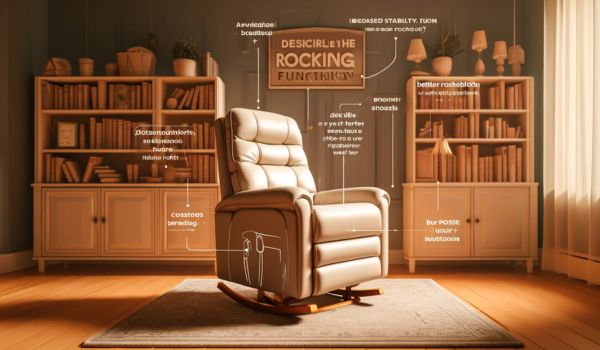
There are several compelling reasons why someone might want to learn how to stop a Lazy Boy rocker recliner from rocking:
Safety Concerns for Children and Pets
The rocking motion of a recliner, while soothing, can be a hazard in homes with young children or pets. Little ones or animals might get caught under the chair or hit by the moving parts, leading to possible injuries.
Preference for a Stationary Chair Due to Personal Comfort
Some people find a stationary chair more comfortable, especially when using it for longer periods of sitting, like watching TV or reading. A non-rocking recliner provides a solid, stable base that many find preferable.
Prevention of Damage to Flooring
Rockers can leave unsightly marks and scratches on flooring, particularly on hardwood or laminate surfaces. Stopping the recliner from rocking helps preserve the condition of your floors.
Accommodation for Elderly Users or Those with Disabilities
For individuals who face challenges with mobility or balance, a rocking recliner can be difficult to exit safely. A stationary chair provides a firmer support, making it easier and safer for the elderly or disabled to sit down and stand up.
Tools and Materials Needed
To effectively stop a Lazy Boy rocker recliner from rocking, you’ll need a few basic tools and materials. Here’s what to gather before you start:
List of Common Tools and Materials Required
- Wrench: To loosen or tighten nuts and bolts.
- Screws: To secure any adjustments or additions you make to the chair.
- Wooden Blocks: These can be used to brace the rocker mechanism.
- Rubber Stops: Rubber stops can be placed under the frame to prevent movement without damaging the floor.
Safety Equipment for the Procedure
When attempting to stop your Lazy Boy rocker recliner from rocking, it’s important to prioritize safety:
- Gloves: Protect your hands from sharp edges and provide a better grip.
- Eye Protection: Ensure you wear safety glasses to protect your eyes from any debris or dust while working.
Related Post
Step-by-Step Instructions to Stop the Rocking
Preparation and Safety Measures
Before you begin the process of how to stop a Lazy Boy rocker recliner from rocking, it’s crucial to prepare your workspace and ensure safety:
- Clear the Working Area: Ensure a clean, open space to work around your recliner. Remove any rugs, decorations, or other items that might obstruct your movement or tools.
- Prepare Tools: Gather all necessary tools and materials listed previously and place them within easy reach.
- Secure the Recliner: Disconnect any power (if you have a power recliner) and position the recliner in a way that it won’t move unexpectedly. Using furniture grips on the legs can help keep it in place on slippery floors.
Option 1: Adjustment of Existing Mechanisms
Adjusting Tension Springs or Locking Mechanisms
- Locate the Tension Adjustment Knob: Typically situated beneath the recliner, this knob allows you to increase or decrease the tension of the rocking motion.
- Adjust the Knob: Turn the knob clockwise to increase tension and reduce rocking. Test the chair after each adjustment to see if the rocking motion meets your needs.
Tightening or Replacing Parts
- Inspect for Loose Bolts or Screws: Use a wrench or screwdriver to tighten any loose components that may contribute to excessive rocking.
- Replace Worn Out Parts: If parts are beyond simple tightening, consider replacing them. This might include worn springs or bolts.
Option 2: Adding a Stop Block or Wedge
Measuring and Cutting a Block
- Measure the Gap: Measure the space between the rocker blade and the frame or floor, where the block will fit snugly to stop the rocking.
- Cut the Block: Based on your measurements, cut a piece of wood to fit. Ensure that it is sturdy enough to withstand the weight and pressure of the recliner.
Securing the Block
- Position the Block: Place the block in the measured gap to see if it fits correctly without forcing it.
- Secure the Block: Once in place, you might choose to secure the block with screws or strong adhesive to keep it from moving.
Option 3: Installing a Swivel Base Lock
Selecting the Right Lock
- Research: Check your recliner’s model number and contact the manufacturer or consult their website to find a compatible swivel base lock.
Installation Steps
- Locate the Base: Turn the recliner over to access the underside where the swivel base is located.
- Install the Lock: Follow the manufacturer’s instructions to attach the lock. This usually involves positioning the lock in place and securing it with screws.
- Test the Lock: Ensure that the lock is installed properly by testing how securely it prevents the reclining chair from moving.
By following these detailed steps, you can effectively stop your Lazy Boy rocker recliner from rocking, enhancing safety, comfort, and protecting your flooring. Each option offers a different approach based on your preference for adjustability, permanence, and ease of installation.
Alternative Methods
Commercial Products Designed to Stabilize Rocker Recliners
For those who prefer not to DIY, there are commercial products specifically designed to stop a Lazy Boy rocker recliner from rocking:
- Non-slip Rubber Pads: These can be placed under each leg of the recliner to prevent it from moving.
- Rocker Recliner Locks: These locks attach directly to the mechanism to prevent rocking.
- Furniture Wedges: Ready-made wedges can be inserted in the same manner as homemade blocks to stop the motion.
Custom Modifications
Adding a Flat Base
- Replace Rocker Base with a Flat Base: Some furniture repair shops can replace the curved rocker base with a flat base, effectively turning the rocker recliner into a regular armchair.
Retrofit Kits
- Retrofit Kits: Some manufacturers offer kits that can modify the chair’s mechanism or base to stop it from rocking, providing a more integrated and less visible solution than homemade blocks or wedges.
Maintenance and Care After Modifications
How to Maintain the Recliner Post-Modification
- Regular Inspection: Check the modifications periodically to ensure they remain secure and effective.
- Lubrication: Keep moving parts well-lubricated to prevent squeaks and stiffness, especially around any new fittings or adjustments.
Tips on Regular Checks and Adjustments
- Tighten Screws and Bolts: Over time, screws and bolts can loosen from use. Regularly tightening these can help maintain the stability and integrity of the modifications.
- Check for Wear and Tear: Inspect the areas around modifications for any signs of wear or damage that could affect functionality.
Troubleshooting Common Issues
Addressing Common Problems
- Uneven Stopping: If the recliner stops unevenly or still shows slight movement, check if the stop block or wedge is evenly placed and securely attached.
- Increased Difficulty in Using the Recliner: If it becomes harder to use the recliner functions, check if the modifications are too tight or obstructing the mechanism.
When to Seek Professional Help or Contact Manufacturer Support
- Persistent Issues: If problems persist after adjustments, it may be time to consult a professional.
- Warranty Concerns: Before making any modifications, check if they might affect your warranty. If unsure, it’s best to contact the manufacturer for guidance.
By exploring these alternative methods and understanding how to maintain your Lazy Boy rocker recliner after stopping it from rocking, you can enjoy a safer and more comfortable chair tailored to your needs and preferences.
Conclusion
Learning how to stop a Lazy Boy rocker recliner from rocking offers significant benefits, including enhanced safety for children and pets, improved comfort for those preferring stationary seating, and protection for your flooring.
Whether you choose to implement DIY fixes, use commercial stabilizers, or pursue custom modifications, there is a solution to fit every need and recliner model. Tailoring these solutions ensures that your recliner serves your lifestyle perfectly.
Remember, maintaining and regularly checking your modifications will help prolong the life and functionality of your recliner, ensuring it remains a comfortable and safe fixture in your home.
Frequently Asked Questions
How do I stop my rocker recliner from rocking?
To stop your rocker recliner from rocking, you can use wedge stoppers or install a specially designed recliner lock kit. These solutions effectively limit the movement of the mechanism that enables rocking.
How do I stop my rocking chair from moving?
Placing non-slip pads or rubber grips under the legs of your rocking chair can prevent it from moving. This is a simple and effective solution to maintain the stability of the chair on various floor types.
Can you stop a recliner from swiveling?
Yes, you can stop a recliner from swiveling by tightening the swivel mechanism underneath the chair or using a swivel base lock. This restricts the rotation and keeps the chair stationary.
What is the most common problem with recliners?
The most common problem with recliners is wear and tear on the reclining mechanism, which can lead to issues with adjustment and functionality. Regular maintenance is needed to keep the recliner in good working order.
How do I stop my swivel rocker from swiveling?
To stop your swivel rocker from swiveling, you can either tighten the mechanism under the chair or apply a locking clamp to the base. Both methods are effective in limiting the chair’s swivel motion.
