
When it comes to learning how to fix a rocker recliner, the process can be both a challenge and a rewarding DIY project. Rocker recliners, after all, are not just pieces of furniture; they are the thrones of comfort in many homes, providing an essential spot for relaxation and rest. However, maintaining the optimal performance of your rocker recliner is crucial, as it ensures continued comfort and prolongs the life of the chair.
Regular use of your rocker recliner can lead to several issues. These problems might range from minor annoyances, like squeaking noises, to more severe concerns, such as a broken reclining mechanism. Addressing these issues promptly can save you money and prevent further damage.
Understanding Your Rocker Recliner
Types of Rocker Recliners
Rocker recliners come in various models, each featuring distinct mechanisms and functionalities. The primary distinction lies between manual and electric recliners. Manual rocker recliners require physical exertion to recline the chair using levers or body weight, whereas electric rocker recliners offer a smooth transition with the push of a button, powered by electricity.
Understanding the type of rocker recliner you own is the first step in addressing any issues effectively.
Anatomy of a Rocker Recliner
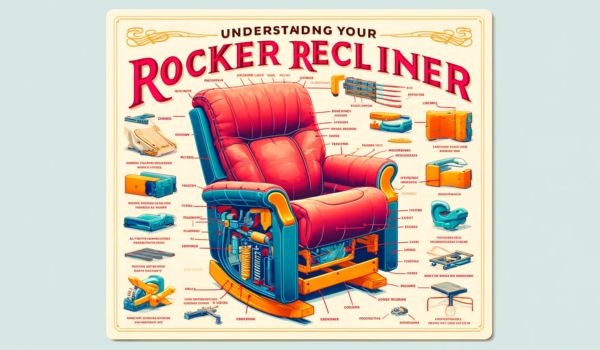
The anatomy of a rocker recliner is composed of several key components:
- Frame: The skeleton of the recliner which supports the entire structure.
- Springs: These are crucial for providing comfort and support. They help the recliner maintain its shape and cushioning.
- Upholstery: The outer fabric or leather that covers the recliner, affecting both comfort and aesthetics.
- Mechanism: The internal system that allows the recliner to move and adjust its positions.
Familiarity with these components will aid in diagnosing problems and conducting repairs accurately.
Related Post
Common Problems and Diagnosis
Squeaking Noises
Squeaking noises are a common annoyance that can often be fixed easily. These sounds typically originate from the springs or the mechanism needing lubrication. A simple application of WD-40 or a similar lubricant to the moving parts can often eliminate the noise and ensure smooth operation.
Broken Reclining Mechanism
If your rocker recliner refuses to move or makes unusual sounds during operation, it might be suffering from a broken reclining mechanism. Symptoms can include stiffness when reclining or an inability to maintain a reclined position.
This issue might require a more in-depth repair or replacement of specific parts.
Loose or Broken Springs
Loose or broken springs can drastically affect the comfort and support of your rocker recliner. Identifying this issue involves checking the underside of the recliner for any visible signs of damage or listening for creaking noises that are more pronounced than general squeaks. Depending on the severity, you might need to tighten the existing springs or replace them.
Worn Out Upholstery
Worn out upholstery not only looks unsightly but can also diminish the comfort of your rocker recliner. Signs of wear may include thinning, tearing, or fading of the fabric.
Depending on your skills, you might consider reupholstering the chair yourself or hiring a professional to refresh the appearance of your recliner.
Stability Issues
Problems with stability typically arise from issues within the frame or base of the rocker recliner. These problems can manifest as unevenness when seated or a noticeable wobble. Inspecting the base and tightening any loose joints or bolts can often resolve these stability issues.
Tools and Materials Needed
Essential Tools
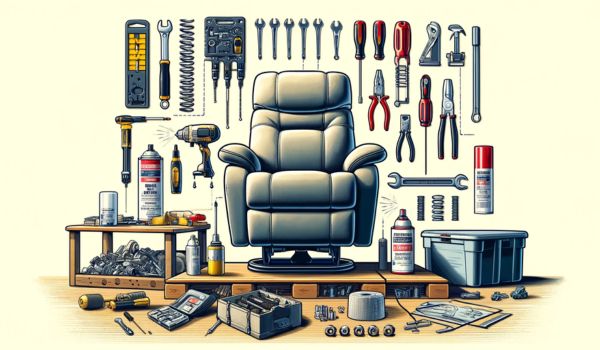
For effective and safe repairs on your rocker recliner, you’ll need the following tools:
- Screwdrivers: Both Phillips and flat-head, for various screw types.
- Wrenches: Adjustable wrenches for tightening bolts and nuts.
- Staple Gun: Essential for reattaching fabric or leather upholstery.
- Pliers: Useful for gripping and manipulating springs or clips.
- Allen Keys: Often needed for furniture assembly and adjustments.
- Lubricant: WD-40 or silicone spray for lubricating moving parts.
Suggested Materials
Depending on the type of repair, you may need to purchase some materials:
- Replacement Springs: Ensure they match the size and tension of the original springs.
- Upholstery Fabric: Choose a durable and comfortable material that complements your decor.
- Foam Padding: To replace worn out cushions and improve comfort.
- Thread and Needles: For minor fabric repairs or adjustments.
Related Post
- how to keep rocker recliner from sliding on wood floor
- how to stop a lazy boy rocker recliner from rocking
Step-by-Step Repair Guides
Fixing Squeaks
- Identify the Source: Listen carefully to locate the origin of the squeak.
- Lubricate Moving Parts: Apply a liberal amount of lubricant to the mechanism joints, springs, and any pivot points that make noise.
Repairing the Reclining Mechanism
- Access the Mechanism: Remove the back of the recliner to expose the mechanism. This usually involves unscrewing the back panel or releasing clips.
- Assess the Damage: Check for broken parts or excessive wear.
- Replace or Repair: Order replacement parts if necessary. Unscrew the damaged mechanism and install the new one, ensuring all connections are secure.
Replacing Springs
- Safety First: Wear gloves to protect your hands from sharp edges.
- Remove Old Springs: Use pliers to carefully remove the springs from their anchor points.
- Install New Springs: Hook the new springs into place, making sure they are evenly spaced and securely attached.
Upholstery Repair
- Choosing Fabric: Opt for a fabric that matches the original material’s durability and aesthetic.
- Remove Old Upholstery: Carefully remove the staples or tacks holding the existing fabric.
- Attach New Material: Staple the new fabric into place, starting from the center and working outwards to avoid wrinkles.
Stabilizing the Frame
- Identify Weak Points: Examine the frame for any loose joints or cracks.
- Strengthen the Frame: Tighten all screws and bolts. Apply wood glue to any cracked areas and clamp until dry.
Preventative Maintenance
Regular maintenance is key to extending the life of your rocker recliner. Here are some tips:
- Lubricate Regularly: Once every six months, lubricate the moving parts to prevent squeaking and wear.
- Tighten Fasteners: Annually check and tighten screws and bolts to ensure stability.
- Clean Upholstery: Vacuum the upholstery regularly and treat stains immediately to keep the fabric looking new.
Following these guidelines will help keep your rocker recliner in top shape, providing comfort and relaxation for years to come.
Conclusion
Maintaining your rocker recliner is crucial for ensuring it remains a comfortable and durable fixture in your home. By addressing common issues such as squeaks, worn mechanisms, and tired upholstery, you not only extend the life of your recliner but also enhance your overall relaxation experience.
With the detailed guides and suggested tools and materials provided, you have the resources to confidently tackle these repairs yourself.
Remember, a well-maintained rocker recliner can continue to provide a cozy spot for rest and relaxation, making the effort of maintenance well worth it. So, grab your tools and give your beloved recliner a new lease on life!
Frequently Asked Questions
How do you stabilize a rocker recliner?
To stabilize a rocker recliner, tighten all loose bolts and screws. If the chair continues to wobble, add stability pads or adjust the leveling feet beneath the base of the recliner.
How do you make a rocker recliner stationary?
To make a rocker recliner stationary, you can install a wedge or locking mechanism on the base. This will prevent the rocking motion and secure the recliner in a fixed position.
What is the most common problem with recliners?
The most common problem with recliners is wear and tear of the reclining mechanism. This can lead to issues such as stuck movements, squeaking noises, or inability to recline.
Can recliner mechanism be repaired?
Yes, the recliner mechanism can often be repaired. Common fixes include replacing worn-out springs, tightening connections, or lubricating moving parts to restore smooth operation.
How does a rocker recliner work?
A rocker recliner works by a mounted frame on arched tracks, allowing the chair to rock back and forth. It combines this with a reclining mechanism that tilts the back and raises the footrest.
What is the difference between a rocker and a recliner?
The difference between a rocker and a recliner is their movement. A rocker can move back and forth while a recliner typically only moves back to a reclining position with a footrest that extends out.
