
When settling into a cozy rocker recliner, the last thing you want is to suddenly slide across your beautiful wooden floor. Not only is this annoying, but it can also lead to damage both to the furniture and the flooring.
Learning how to keep a rocker recliner from sliding on wood floor is essential for maintaining the longevity and aesthetics of both your chair and your floors.
Understanding the Sliding Dilemma
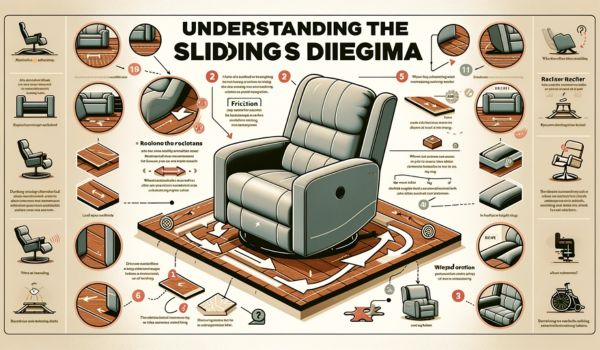
Why Do Rocker Recliners Slide?
Rocker recliners are designed for comfort and movement, which unfortunately can lead to sliding on smooth surfaces like wood. The motion involved in rocking and reclining can exert backward or forward forces on the floor, causing the recliner to slip. This is especially problematic on polished or highly waxed wood floors.
The Risks to Your Furniture and Floor
If your rocker recliner is constantly moving out of place, it can scratch or gouge your wood flooring, leaving unsightly marks and potentially causing permanent damage. Furthermore, the stability of your recliner is compromised, which can lead to accelerated wear and tear on its mechanism and structure.
Materials and Tools Needed to Secure Your Recliner
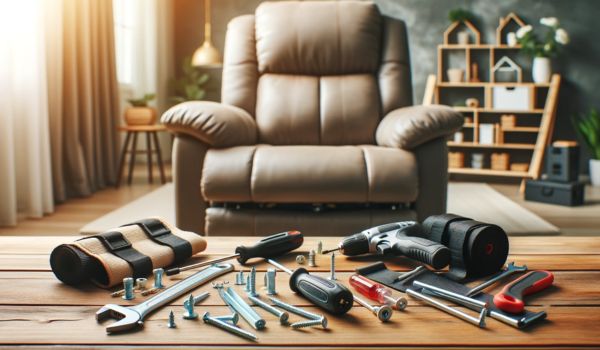
Securing a rocker recliner on a wood floor doesn’t have to be a complicated task. Here’s a breakdown of some effective materials and tools you’ll need:
Materials to Stop the Slide
- Non-slip Pads: These can be placed under the legs or base of the recliner to provide grip and prevent movement.
- Furniture Grippers: Specifically designed to keep furniture in place, these grippers can handle the additional motion of rocking.
- Area Rugs with Rug Pads: Adding an area rug beneath your recliner not only enhances your room’s decor but also adds an extra layer of friction to keep your chair stationary.
Tools for Installation
- Measuring Tape: To ensure you purchase or cut the right size pads or grippers.
- Scissors or a Utility Knife: For cutting non-slip materials to fit your recliner’s base.
- Double-sided Tape or Adhesive: If additional fixation is needed to secure materials to the chair or floor.
By equipping yourself with the right tools and materials, you can effectively solve how to keep a rocker recliner from sliding on wood floor and enjoy uninterrupted comfort in your living space.
Related Post
Preventative Measures
Rubber Pads
Description of Rubber Grip Pads
Rubber grip pads are simple, effective tools used to prevent furniture like recliners from slipping on smooth floors. These pads are typically made from a non-slip rubber material that increases friction between the furniture leg and the floor, thereby reducing movement.
How to Properly Apply Them to the Recliner
- Clean the Surface: Start by cleaning the bottom of the recliner legs and the floor area where the pads will be placed. This ensures a better grip.
- Measure and Cut: If the pads are not pre-cut, measure the base of the recliner legs and cut the pads to fit precisely.
- Apply the Pads: Remove any adhesive backing from the pads and firmly press them onto the clean, dry surfaces of the recliner legs.
- Test the Stability: Once the pads are in place, gently move the recliner to ensure the pads provide sufficient grip and stability.
Furniture Grippers
Types of Grippers and Their Effectiveness
- Rubber Grippers: Offer excellent grip and are ideal for most floor types.
- Felt Grippers: Best for hardwood floors as they prevent scratches in addition to providing grip.
- Silicone Grippers: Durable and moisture-resistant, suitable for bathrooms or kitchens.
Installation Guide
- Select the Right Type: Choose grippers based on your floor type and furniture weight.
- Position Grippers: Place the grippers under each leg or corner of the recliner.
- Secure Grippers: Some grippers come with adhesive backings. Remove the backing and secure them to the furniture legs.
- Check Regularly: Inspect and replace worn-out grippers to maintain effectiveness.
Area Rugs and Mats
Discuss How Rugs and Mats Can Add Friction
Area rugs and mats can significantly enhance floor grip when placed under furniture. They not only add a layer of friction but also protect floors from scratches and wear.
Tips on Choosing the Right Size and Material
- Size: Ensure the rug or mat is large enough to fit under the entire base of the recliner with some extra space around the edges.
- Material: Opt for rugs with non-slip backing or choose materials like wool or jute for natural grip.
- Thickness: A thicker rug can provide better cushioning and stability.
DIY Solutions
Homemade Non-Slip Pads
Step-by-Step Guide on Making Non-Slip Pads from Household Items
- Materials Needed: You’ll need thick fabric (like felt or rubber shelf liner), scissors, and double-sided tape.
- Cut the Fabric: Cut the fabric into squares or circles that match the size of the recliner legs.
- Apply Double-Sided Tape: Attach double-sided tape to one side of the cut fabric pieces.
- Fix to Furniture Legs: Stick the taped side of the fabric to the bottom of the recliner legs.
- Test for Stability: Gently shift the recliner to ensure the homemade pads are secure and effective.
Using Velcro Strips
How to Use Velcro to Secure the Recliner in Place
- Attach Velcro Strips: Apply one side of the Velcro strip to the floor and the corresponding side to the bottom of the recliner leg.
- Ensure Alignment: Make sure the Velcro strips line up correctly to provide maximum hold when the recliner is in place.
- Press to Secure: Firmly press down on the recliner to attach it securely to the Velcro on the floor.
Advantages and Precautions
- Advantages: Velcro strips provide a removable solution that allows for easy repositioning of the furniture without leaving residue.
- Precautions: Regularly check the adhesive to ensure it hasn’t worn out and replace the Velcro if it loses its grip.
These sections provide a comprehensive guide on how to prevent recliners from sliding, enhancing the safety and functionality of your living space.
Related Post
Long-term Solutions
Interlocking Floor Mats
Explain How These Can Provide a Non-Slip Surface
Interlocking floor mats, often made from rubber or a heavy-duty foam, offer a versatile and effective non-slip solution. These mats interlock like puzzle pieces, creating a continuous surface that prevents slips by increasing the overall friction under and around your furniture.
Installation Tips
- Measure the Area: Determine the total area around the recliner where you want to place the mats.
- Choose Appropriate Thickness: Select mats of suitable thickness to support the weight and usage of the recliner.
- Clean the Floor: Ensure the floor is clean and dry before installation to prevent slipping beneath the mats.
- Align and Lock: Begin at one corner and work your way out, locking the mats together tightly.
- Trim Excess: Use a sharp knife or scissors to trim any excess mat pieces for a neat fit.
Replacing the Recliner Base
Information on More Stable Bases Compatible with Different Floor Types
Replacing the base of a recliner can be a definitive solution to slipping issues. Options include:
- Swivel bases: These allow the chair to rotate freely, which can reduce the strain and slipping movement.
- Glider bases: These bases move smoothly along a fixed track, providing stability and preventing sliding.
- Heavy-duty bases: Made from reinforced materials like steel, these bases are particularly stable and durable.
Considerations Before Making Changes to Furniture Structure
- Compatibility: Ensure the new base is compatible with your recliner’s design and dimensions.
- Professional Installation: Consider hiring a professional to install the new base to ensure safety and functionality.
- Warranty and Cost: Check if changes might affect any existing warranty and evaluate if the investment is justified by the benefits.
Maintenance Tips
Regular Checks and Adjustments to Ensure Effectiveness
- Inspect Regularly: Examine the non-slip solutions periodically for wear and tear.
- Adjust as Needed: Realign or replace any non-slip devices that show signs of deterioration or decreased effectiveness.
- Test Stability: Periodically test the recliner’s stability by sitting in it and shifting positions to ensure that all non-slip measures are still effective.
Cleaning Tips for Non-Slip Materials to Maintain Their Grip
- Routine Cleaning: Clean non-slip pads, mats, and other materials regularly to remove dust and debris that could reduce their effectiveness.
- Appropriate Cleaners: Use mild soap and water for rubber and silicone materials; avoid harsh chemicals that could degrade the materials.
- Air Dry: Allow all non-slip materials to air dry completely before reattaching or using them to prevent moisture buildup, which could lead to slipping.
Maintaining your recliner with these long-term solutions and regular upkeep will ensure continued stability and safety, enhancing your living environment’s comfort and functionality.
Additional Considerations
Safety Tips When Applying These Solutions
Ensuring safety is paramount when implementing non-slip solutions for recliners. Here are some crucial safety tips:
- Read Instructions: Always follow manufacturer instructions when installing non-slip products or making modifications to furniture.
- Test Before Use: After applying any non-slip solution, test the recliner by sitting and moving in it to ensure it is stable and secure before regular use.
- Avoid Overloading: Do not exceed the weight capacity of the recliner or the non-slip products used, as this can lead to failure and potential accidents.
- Check Compatibility: Ensure that any modifications or additions, such as new bases or mats, are compatible with both the recliner and the floor type in your home.
Discuss the Balance Between Aesthetics and Functionality
When it comes to home decor, balancing the aesthetic appeal with functionality can be challenging but necessary. Here’s how to maintain this balance with non-slip solutions:
- Color Coordination: Choose non-slip accessories that complement the color scheme of your room. Many products come in various colors and styles to blend seamlessly with your decor.
- Minimal Visibility: Opt for solutions that are less visible, such as clear rubber pads or thin, color-matched mats that do not draw attention away from the style of your furniture.
- Custom Fit: Customizing the size and shape of non-slip materials can help maintain the original look of your furniture while ensuring they perform their function without being too conspicuous.
- Consider Design-Friendly Options: Some non-slip solutions are designed with aesthetics in mind, offering stylish patterns or designs that can enhance the look of your space rather than detract from it.
By considering these additional safety and aesthetic factors, you can effectively integrate non-slip solutions into your home, ensuring they not only prevent furniture movement but also fit well with your overall home decor.
Conclusion
In conclusion, securing your rocker recliner to prevent sliding is crucial for both safety and comfort. Unstable furniture can lead to accidents and detract from your living space’s functionality.
By exploring various solutions—ranging from simple rubber pads and furniture grippers to more permanent options like replacing the recliner base or using interlocking mats—you can find an effective method that suits your needs and lifestyle.
Remember to balance aesthetics with functionality to maintain your home’s design integrity. We encourage you to assess your specific situation and choose a solution that ensures stability and blends seamlessly with your decor.
Frequently Asked Questions
How do I keep my recliner from moving on my hardwood floors?
To prevent your recliner from moving on hardwood floors, consider using rubber gripper pads or non-slip furniture mats under the legs. These materials increase friction and hold the recliner in place effectively.
How do I keep my chairs from sliding on wood floors?
Attach felt pads to the bottoms of the chair legs. These pads not only prevent sliding but also protect your wood floors from scratches. Ensure the pads are appropriately sized for the chair legs for best results.
How do you anchor a recliner to the floor?
Anchoring a recliner directly to the floor is uncommon, but you can stabilize it by using furniture grips or heavy-duty velcro strips under the legs. These will secure the recliner without damaging the floor.
How do I keep my recliner from sliding out?
Install non-slip furniture pads or apply a double-sided tape designed for furniture to the bottom of the recliner’s legs. This will provide the necessary grip to keep the recliner from sliding out when used.
How do I keep my rocker recliner from rocking?
To stop a rocker recliner from rocking, you can wedge rubber stoppers or specially designed wedges under the rocking mechanism. This will immobilize the rocker without harming the chair’s structure.
