
“Are Massage Chairs Good for Osteoporosis?” is a question that might tickle your curiosity just as much as a massage chair tickles your back. Imagine you’re lounging in a comfy massage chair, feeling like royalty as it kneads away your worries.
But if you’re part of the crowd dealing with osteoporosis, you might wonder if this throne of relaxation is a friend or foe to your bones. Osteoporosis, known for weakening bones and making them more prone to fractures, affects millions worldwide, turning even a simple sneeze into a game of skeletal Russian roulette.
Massage chairs are those comfy thrones that promise relaxation and relief. But can they really help those brittle bones? Well, we’re about to dive into this comfy, yet possibly bony, topic.
Let’s unravel this cosy mystery and find out if massage chairs are indeed the unsung heroes for osteoporotic bones or if they’re just another comfy seat in the living room.
Understanding Osteoporosis
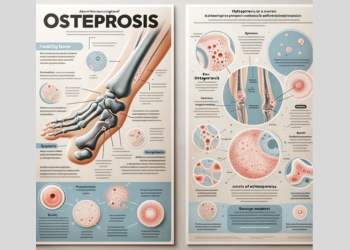
Understanding Osteoporosis takes us on a journey deep into the world of our skeletal system, a realm often taken for granted until something goes wrong. In osteoporosis, the spaces in your bones get larger, making them more fragile.
Assume your bones as the framework of a building, strong and sturdy. Now, imagine if this framework started to become porous and brittle, almost like a sponge. That’s osteoporosis for you – a silent, sneaky villain that creeps up without warning, making bones fragile and more prone to breaks and fractures.
This condition is particularly common in older adults, especially women post-menopause. Factors like diet, lifestyle, and even genetics play a big role. It’s like playing a game of Jenga with your bones; remove the right support (like calcium and vitamin D), and things might just come tumbling down.
So, it’s essential to understand the ins and outs of osteoporosis – not just to scare ourselves into drinking more milk, but to appreciate the delicate balance our bodies maintain to keep our bones as strong as the stories they carry.
What Are Massage Chairs?
Massage Chairs aren’t just your run-of-the-mill comfy recliners; massage chairs are like the Swiss Army knives of chairs, equipped with a variety of features designed to knead, roll, and tap away your stress. Think of massage chairs not just as furniture, but as your personal robotic masseuse, always ready to offer a healing touch.
These chairs come with an arrangement of rollers and airbags, strategically placed to target different areas of your body – from your aching back down to your tired feet. Think of them as tiny, tireless hands working together to soothe your muscles, providing relief from stress and muscle tension.
Some even boast advanced features like heat therapy, zero-gravity positioning, and various massage styles with buttons and controls mimicking human touch – from gentle Swedish strokes to the more intense deep-tissue massage.
Once you settle into one of these high-tech thrones, sensors get to work, aligning your body’s shape and size to provide a customized massage experience. It’s like having a personal masseuse on-call, minus the small talk. These chairs use a combination of motors, gears, and rollers to simulate different massage techniques, effectively turning your living room into a mini-spa.
So, whether you’re looking to unwind after a long day or just want to feel like you’re being hugged by a robot, massage chairs have got your back (literally). Just sit back, push a button, and let the chair whisk you away on a journey of relaxation – no spa appointment necessary!
Related Article: 10 Best Office Chairs for Osteoporosis
Are Massage Chairs Good For Osteoporosis?
Yes, massage chairs can be beneficial for individuals with osteoporosis, but with a few restrictions. It’s like finding out that chocolate is good for you – exciting, but best enjoyed in moderation and with a bit of caution.
Gentle massage offered by many massage chairs, can be a boon for those with osteoporosis. It’s like a soft lullaby for your bones, promoting relaxation and reducing muscle tension without putting unwanted stress on fragile bones. This can be particularly beneficial as it helps in improving circulation and overall well-being – kind of like giving your body a gentle pat on the back saying, “Good job!”
Despite the fact that massage chairs can offer gentle relief, they aren’t a one-size-fits-all solution because osteoporosis makes bones more fragile, and certain massage techniques or high-pressure settings could potentially do more harm than good.
It’s like having a delicate porcelain vase; you wouldn’t use a power washer to clean it. The same goes for using a massage chair; the settings must be gentle and carefully adjusted. The key is to use them with the right settings – gentle, not too vigorous, to avoid putting too much pressure on fragile bones.
It’s also crucial to consult with a healthcare provider before hopping onto a massage chair, just to ensure that it’s a safe option based on individual health conditions. Think of them as the GPS for your journey in massage chair land, ensuring you don’t take a wrong turn that could lead to discomfort or injury.
Massage chairs, in moderation and with the right settings can be a helpful tool in your relaxation. Even though they are not a cure for osteoporosis, they can certainly play a role in the overall well-being of those with the condition – think of them as a trusty sidekick, offering comfort and support along the journey.
Potential Benefits of Using Massage Chairs with Osteoporosis
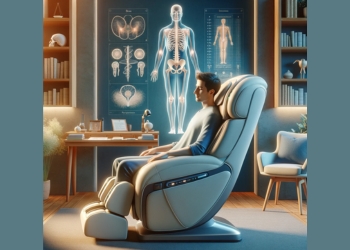
The potential benefits of using massage chairs for individuals with osteoporosis are like finding unexpected treasures in a cosy, cushioned land. Let’s unwrap these benefits one by one:
Muscle Relaxation and Reduced Tension
Think of your muscles as protective layers around your bones. When they’re tense, they can add unnecessary stress to your already fragile bones. Massage chairs help in relaxing these muscles, almost like a gentle, comforting hug that says, “Relax, I’ve got you.”
Improved Blood Circulation
These chairs are like your personal circulation cheerleaders. By gently massaging your body, they help in improving blood flow. Better circulation means more nutrients and oxygen reach your bones and muscles, helping in overall bone health and perhaps even in the management of osteoporosis symptoms.
Stress Reduction
Stress can have a domino effect on your body, influencing everything from muscle tension to bone health. A massage chair offers a sanctuary of calm, reducing stress and potentially lowering the risk of stress-related bone density loss. It’s like giving your mind and body a mini-vacation.
Pain Relief
For those with osteoporosis, pain can be a frequent, unwelcome visitor. Massage chairs can help reduce general discomfort, particularly in the back and joints, by providing gentle, consistent pressure. It’s like having a pain relief genie at your service.
Better Sleep Quality
A relaxed body often leads to better sleep. By reducing muscle tension and promoting relaxation, a massage chair can help you find that sweet spot to sleep, essential for bone health and overall well-being.
Enhanced Mobility and Flexibility
Regular use of a massage chair can lead to improved flexibility and mobility. It’s like oiling the hinges of your body, ensuring everything moves smoothly, which is crucial for those with osteoporosis.
Are Massage Chairs Good For Osteoporosis?: Navigating the Risks
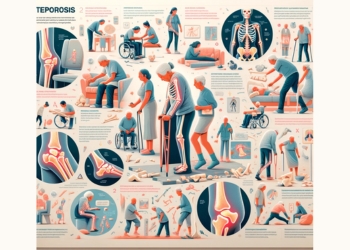
While massage chairs offer many benefits for individuals with osteoporosis, it’s essential to use them carefully as there are certain risks and considerations to keep in mind:
Risk of Fractures
The most significant concern is the risk of fractures. Osteoporosis makes bones fragile and more defenceless to breaks. Intense massage settings can exert too much pressure on weak bones, potentially leading to fractures. It’s like walking on thin ice – one needs to be cautious of the pressure applied.
Inappropriate Settings and Techniques
Not all massage chair settings are suitable for osteoporosis patients. Deep tissue massages, for instance, might be too harsh. It’s important to ensure the chair’s settings are gentle and don’t put excess stress on the bones.
Limited Customization
While some high-end models offer extensive customisation, many massage chairs have limited options. This lack of personalization can be problematic for those with specific osteoporosis-related needs, like wearing a one-size-fits-all garment when you really need a custom-made outfit.
False Sense of Security
Regular use of a massage chair might lead some individuals to feel overly confident in their physical capabilities, potentially leading to neglect of necessary precautions and exercises specifically recommended for osteoporosis.
Interference with Medical Devices
For those with pacemakers or other electronic medical devices, certain features of massage chairs, like those involving electrical stimulation, can interfere with these devices. It’s like having two electronic devices that don’t play well together.
Cost and Accessibility
High-quality massage chairs can be expensive, making them a less accessible option for some. Additionally, the size and space required to house a massage chair can be impractical for many, especially for those living in smaller spaces.
Related Article: Is An Office Chair Good For Osteoporosis?
Tips for Safely Using Massage Chairs with Osteoporosis
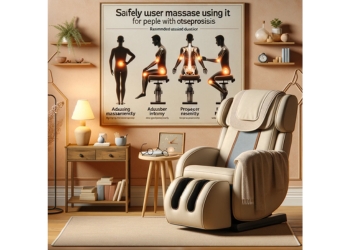
As you have read, using a massage chair could be beneficial for managing osteoporosis if used correctly, here are some tips to ensure to do so safely and effectively:
Consult with Your Doctor: Before going for a massage chair, it’s better to talk to your doctor. They can advise whether a massage chair is suitable for your specific condition and suggest appropriate settings.
Start with Gentle Settings: Begin with the most gentle settings available. Your bones are like fine china – handle with care. Avoid intense pressure or vigorous massage techniques that might be too harsh.
Gradual Introduction: Introduce the massage chair into your routine gradually. Start with shorter sessions and slowly increase the duration as your body becomes used to it. Think of it as dipping your toes into the water before diving in.
Listen to Your Body: Pay close attention to how your body responds during and after using the massage chair. If there is any pain or discomfort, you should stop immediately. Your body’s responses could be your best guide.
Avoid Direct Massage on Fragile Areas: No one knows your body more than you, and if there are certain areas of your body that are particularly affected by osteoporosis, like the spine or hips, make sure that these areas do not experience direct or intense pressure.
Stay Hydrated: Drinking water before and after using a massage chair can help enhance circulation and assist in the removal of toxins from the body. It’s like giving your body a nice internal rinse.
Regular Maintenance: Ensure that your massage chair is well-maintained and functioning properly. A malfunctioning chair can do more harm than good.
Key Factors in Selecting a Massage Chair: Choosing Your Comfort Throne

A massage chair is not just a piece of furniture; it’s a tool for wellness. Taking the time to choose the right one can make all the difference in your comfort and health. When you’re looking for a massage chair, especially with osteoporosis in the picture, it’s like looking for the perfect dance partner – it needs to be a good fit, supportive, and in tune with your needs. Here are some factors to consider:
Intensity and Type of Massage: Not all chairs are created equal. Some offer gentle, relaxing massages, while others can really go to town on your muscles. Look for a chair that offers a range of intensities and massage types, from gentle kneading to light tapping, that can be easily adjusted to suit your sensitivity and condition.
Customization Features: Look for a chair that offers good customization. This includes adjustable positions, intensity settings, and programmable massage routines. Your chair should be like a bespoke suit, customized to fit your unique needs.
Size and Space Requirements: These chairs can be as bulky as a bear and just as hard to accommodate in a small space. Make sure the chair fits comfortably in your home and is easily accessible.
User-Friendly Controls: You want a chair that’s easy to control, even for those who aren’t tech-savvy. Complicated controls can turn your relaxation time into a frustrating tech puzzle.
Durability and Quality: Look for a chair built to last. Check the quality of materials, construction, and the warranty. It’s an investment, and you want it to stand the test of time.
Safety Features: This is crucial, especially for osteoporosis patients. Look for chairs with safety features like automatic shut-off and emergency stop buttons.
Consulting Healthcare Providers: Again, it’s important to consult with your healthcare provider before making a purchase. They can offer guidance on what type of chair might be best suited for your condition.
Budget: Last but not least, consider your budget. Massage chairs can range from reasonably priced to the cost of a small car. Determine what features are must-haves and what you can compromise on.
Related Article: How Do You Sit On Chair With Osteoporosis
Conclusion
Massage chairs can indeed offer a soothing embrace for those with osteoporosis, providing a gentle massage that aids in muscle relaxation, stress reduction, and improved circulation. Even though, they are not a one-size-fits-all solution.
The key lies in using them wisely, with an emphasis on gentle settings and careful consideration of individual health conditions. Consulting with healthcare providers is very important to ensure safe use.
Ultimately, when used appropriately, massage chairs can be a valuable addition to an osteoporosis management plan, complementing medical treatments and enhancing the overall quality of life in a comfortable and relaxing way.
Frequently Asked Questions
Can a massage chair help prevent osteoporosis?
While massage chairs can promote relaxation and improve circulation, they are not a preventative measure for osteoporosis. Osteoporosis prevention primarily involves a healthy diet rich in calcium and vitamin D, regular exercise, and lifestyle changes.
How often should someone with osteoporosis use a massage chair?
For osteoporosis patients, moderation is key. Starting with shorter sessions, like 10-15 minutes, a few times a week, and then adjusting based on comfort and doctor’s advice is recommended. Overuse might lead to discomfort or other issues.
Are there specific massage chair models recommended for osteoporosis?
There aren’t specific models labeled for osteoporosis but look for chairs with adjustable intensity and gentle massage options. Chairs with good customization features and safety functions are preferable.
Can using a massage chair improve bone density?
No, massage chairs do not improve bone density. They are designed for muscle relaxation and improving circulation, not for directly impacting bone health. For bone density improvement, medical treatments and specific exercises are necessary.
Is it safe to use the heat function of the massage chair for osteoporosis?
Generally, using the heat function in moderation can be relaxing and help ease muscle stiffness. However, it’s important to use low heat settings and limit exposure, as excessive heat might not be suitable for some individuals with osteoporosis.
Can children with juvenile osteoporosis use massage chairs?
It’s essential to consult a paediatrician before allowing a child with juvenile osteoporosis to use a massage chair. If approved, ensure the chair’s settings are extremely gentle and the usage is closely supervised.

Julie D. Williams is a seasoned chair connoisseur with a decade in the furniture realm. She combines her keen eye for design and deep knowledge of ergonomics to provide readers with reviews and guides, ensuring comfort and style in every recommendation. Each piece is a fusion of aesthetics and function, tested and approved by Julie. A believer in the power of the perfect seat to transform spaces, she’s your go-to source for impeccable finds. When not reviewing chairs, Julie is on the hunt for vintage décor, weaving comfort and beauty into every aspect of life.