

“Can sitting in a recliner cause leg pain?” is a question many of us want the answer to, especially after a long day seeking comfort in our favorite chair.
Recliners, designed to offer relaxation and support, sometimes have unexpected effects on our bodies. While they often provide a haven for tired backs and feet, prolonged use or incorrect positioning might lead to leg discomfort. Factors such as blood circulation, muscle strain, and posture play crucial roles in this phenomenon.
In this article, we will explore the connections between reclining and leg pain, and provide a clearer understanding of the issue.
Reclining and Leg Pain
Reclining in a chair, while often seen as a symbol of relaxation, can surprisingly be a source of leg pain for some individuals.
This connection can be attributed to various factors. When in a reclined position, especially for prolonged periods, there’s a chance that the blood circulation in the legs is reduced, leading to feelings of numbness or tingling.
Additionally, if the recliner doesn’t offer enough support or is positioned incorrectly, it can exert pressure on specific areas, possibly compressing nerves like the sciatic nerve, resulting in sharp pain.
Furthermore, extended sitting can lead to muscle stagnation, promoting stiffness or cramping. Thus, while recliners aim to provide comfort, they can, under certain circumstances, contribute to leg discomfort.
Related Article: Best Recliners For Leg Circulation
Can Sitting in a Recliner Cause Leg Pain

Yes. Sitting in a recliner can cause leg pain, and here’s why:
Recliners are chairs that we often use to relax, kick up our feet, and take a break. They’re designed to give us comfort, but sometimes, they might do the opposite, especially if we sit in them for a long time.
Imagine you’ve found the perfect spot on your recliner, and you decide to stay there for hours watching TV or reading. Over time, this can lead to problems for your legs.
When we sit for long periods, the blood in our legs doesn’t move around as much. It can become a bit sluggish, like water in a still pond.
This can lead to feelings of numbness or that “pins and needles” sensation. Just like when you sit cross-legged on the floor for too long and your foot “falls asleep,” the same can happen in a recliner.
Also, If the recliner doesn’t support your legs properly, it can put pressure on certain areas. Think of it like wearing a tight shoe; after a while, it starts to hurt.
In a recliner, this pressure can sometimes press on nerves in our legs, causing pain. A common nerve that can be affected is the sciatic nerve, which runs from our lower back to our feet.
Our muscles don’t like being in the same position for too long. If we don’t move, they can become stiff, like how our joints feel when we first wake up in the morning. This stiffness or even cramping can add to the discomfort.
So, while recliners are great for relaxation, it’s essential to remember to move around, adjust our position, and not stay in them for too long to avoid leg pain.
Related Article: Are recliners bad for leg circulation
Are Recliners Bad For Leg Circulation?
Recliners, though designed for comfort and relaxation, can have an impact on leg circulation when used for extended periods.
When you recline and elevate your legs, under ideal conditions, it should facilitate blood flow back to the heart, potentially reducing swelling and minor pains.
However, if the recliner doesn’t fit you well or provide proper support, it might compress certain areas of the legs. This compression can hinder blood flow, causing it to pool in the legs, leading to feelings of numbness, tingling, or even swelling.
Additionally, sitting for long durations, irrespective of the chair type, can reduce overall leg circulation. Therefore, while recliners can offer benefits, it’s important to ensure they fit well and to move or adjust one’s position from time to time to promote healthy circulation.
Why do my legs hurt after sitting in a recliner?
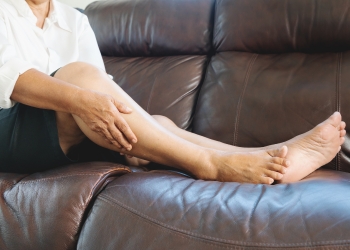
If your legs hurt after sitting in a recliner, there could be a few reasons behind this discomfort.
Sitting in any chair for long periods, including a recliner, can lead to decreased blood circulation in the legs. When blood doesn’t flow as freely, it can cause feelings of numbness, tingling, or even cramping.
If the recliner doesn’t provide enough support or if your legs are positioned in a way that puts pressure on certain areas, it could compress nerves, leading to pain.
The sciatic nerve, for instance, which runs from the lower back down the leg, can be affected, causing sharp, shooting pains. Moreover, muscles don’t appreciate being static for too long; extended immobility can lead to muscle stiffness or spasms.
Also, if there are pre-existing leg or back issues, sitting in a recliner might worsen these conditions. It’s essential to ensure that your recliner fits well, and offers good support, and remember to adjust and move your position occasionally to minimize discomfort.
Related Article: What is a high leg recliner
Why Recliners Might Cause Leg Pain: Unraveling the Mystery
Recliners, though provide relaxation, but sometimes may lead to unexpected discomfort for their users. Here’s a more in-depth look at the potential causes of leg pain from reclining:
1. Poor Blood Circulation
Extended Sitting: Extended periods in a recliner can slow blood flow in the legs, leading to sensations like numbness, tingling, or the feeling of heaviness.
Leg Position: The angle at which your legs are elevated plays a crucial role. If they’re positioned too high or too low, it might not promote healthy circulation, potentially causing discomfort.
2. Nerve Compression
Improper Support: A recliner that doesn’t serve the curve of your body or lacks proper cushioning can exert unwanted pressure on specific leg regions, risking nerve compression.
Sciatic Nerve Pressure: One of the primary nerves vulnerable to this pressure is the sciatic nerve. When compressed, it can trigger intense pain that shoots from the lower back down to the foot.
3. Muscle Concerns: Beyond Just Stiffness

Lack of Movement: Muscles prefer a mix of rest and activity. Remaining static for too long can lead to stiffness, spasms, or even cramps.
Posture Issues: Adopting a proper posture in a recliner is not just about comfort. An incorrect posture can strain muscles, leading to aches over time.
4. Existing Conditions
Previous Injuries: People with a history of leg or back injuries might find that certain recliner positions intensify their pain.
Health Conditions: Some health issues, like arthritis, venous disorders, or even certain neurological conditions, can become more noticeable when using a recliner.
Related Article: How to fix recliner leg rest
Essential Tools for Leg Comfort in a Recliner
Ensuring comfort and minimizing pain while using a recliner can often be achieved by incorporating specific materials or tools. Here’s a list of materials that might help in managing leg pain when enjoying your recliner:
Memory Foam Cushions
Memory foam cushions have become a favorite for many due to their unique ability to adapt to the curves of one’s body.
When it comes to reducing leg pain in a recliner, these cushions stand out as they provide even pressure distribution. This ensures that no specific part of the leg bears excessive pressure, reducing potential discomfort.
Furthermore, certain memory foam variants incorporate cooling gel layers. This addition not only prevents the cushion from becoming too warm but also offers a soothing temperature-regulated comfort, making prolonged sitting more bearable.
Adjustable Footrest Extensions
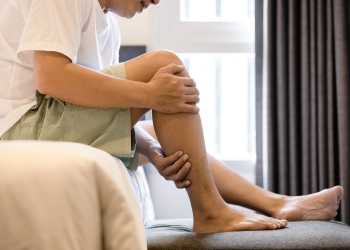
Adjustable footrest extensions bring a level of customization that’s invaluable. By allowing users to set the precise angle and height for leg elevation, these extensions ensure optimal blood flow, which can be critical in preventing numbness or tingling.
Moreover, by evenly distributing the weight of the legs, they can significantly decrease the chances of nerve compression, ensuring a more comfortable and pain-free experience.
Therapeutic Heating Pads
Therapeutic heating pads, when used with recliners, offer a dual advantage. The gentle warmth emanating from these pads can penetrate deep into the muscles, helping to reduce stiffness or cramps.
Heat naturally enhances blood flow. This improved circulation can significantly reduce symptoms associated with poor blood flow, making these pads an excellent addition to your recliner.
Massaging Devices
Modern technology has gifted us with portable massaging devices that can be a boon for those experiencing leg pain in recliners. These devices, whether they use vibration or rolling techniques, stimulate the leg muscles.
Such stimulation can be vital in relieving feelings of numbness or muscle stagnation. Furthermore, with specialized settings, some of these massagers are adept at targeting and relieving pain points, making them a must-have for many.
Compression Socks
At first glance, compression socks might seem unrelated to recliner use, but their benefits are manifold.
Designed to support and enhance circulation, these socks effectively prevent the pooling of blood in the legs. This proactive approach ensures a consistent flow of blood, minimizing potential discomfort.
Additionally, the snug fit of compression socks provides muscular support, reducing feelings of fatigue or strain, especially during extended periods of sitting.
Related Article: Are there recliners that bend your legs
Tips to Reduce Leg Pain from Recliners

Including these tips can significantly enhance your reclining experience, turning it into a source of relaxation rather than discomfort.
Regular Repositioning: Every 30 minutes to an hour, slightly adjust your sitting position. This prevents prolonged pressure on one area of your legs, which can lead to discomfort or numbness.
Elevate Your Legs Properly: Make sure the recliner’s footrest elevates your legs to a position where they are slightly above your heart level. This can help enhance blood circulation.
Take Short Breaks: Stand, walk around, and stretch your legs periodically. This helps in restoring blood flow and reducing muscle stiffness.
Ergonomic Selection: Invest in a recliner that fits your body type and has adjustable features. This ensures that you have proper support, reducing the chances of pain.
Use Supportive Accessories: Incorporate cushions, especially memory foam ones, or therapeutic heating pads to provide extra comfort and support to your legs.
Maintain Good Posture: Ensure your back is supported and your spine is aligned. A good posture reduces the chances of pain radiating from your back to your legs.
Stay Active: Engage in regular exercises, focusing on leg strengthening and flexibility. Strong and flexible muscles are less prone to pain.
Stay Hydrated: Drink plenty of water to keep muscles functioning well and reduce the risk of cramps.
Wear Compression Socks: If you’re prone to swelling or poor circulation, consider wearing compression socks while using the recliner to promote better blood flow.
Massage Your Legs: Occasionally massaging your legs stimulates blood flow, relaxes the muscles, and can reduce feelings of stiffness or discomfort.
Limit Prolonged Use: While recliners are comfortable, it’s a good idea to avoid spending extended periods in one without moving. Regularly change activities or seating positions.
Consult a Physician: If leg pain persists or if you have underlying health concerns, it might be beneficial to consult with a healthcare professional for personalized advice.
Related Article: Can recliner help restless leg syndrome
Conclusion
Recliners are often associated with relaxation and comfort. However, the question “Can sitting in a recliner cause leg pain?” does highlight valid concerns.
While recliners can offer a haven of relaxation, prolonged or improper use might lead to leg discomfort due to factors like reduced circulation, nerve compression, and muscle stagnation.
However, with the right practices and accessories, these issues can be minimized. It’s crucial to choose recliners that suit one’s body type, make regular position adjustments, and integrate supportive tools.
Ultimately, while recliners can potentially cause leg pain, with awareness and proactive measures, they can remain a source of pure relaxation.
Frequently Asked Questions
Is it common to experience leg pain from sitting in recliners?
While many people find recliners incredibly comfortable, some do experience leg pain or discomfort after prolonged use. Individual experiences can vary based on the recliner’s design, personal health conditions, or the duration of use.
Do all recliners pose a risk of leg pain?
Not necessarily. The design, ergonomics, and features of the recliner play a significant role. Recliners that offer adjustable positions, proper cushioning, and support are less likely to cause discomfort.
Can I prevent leg pain by changing the way I sit in the recliner?
Absolutely! Adjusting your position regularly, ensuring your legs are elevated properly, and taking breaks to stretch can greatly reduce the risk of leg pain.
What accessories can enhance my reclining experience?
Consider items like memory foam cushions for even pressure distribution, heating pads for muscle relaxation, leg wedges for optimal elevation, and massaging devices for muscle stimulation.
Should I avoid recliners if I have a history of leg or back issues?
It’s not about avoidance, but about being informed. If you have a history of certain health conditions, it’s essential to choose a recliner that offers maximum support and comfort. Also, consulting with a healthcare professional about your reclining habits might provide personalized insights.
How long is it safe to sit in a recliner without risking leg pain?
There’s no strict timeframe, but it’s recommended to adjust your position or take a short walk every hour or so. Listening to your body is key. If you start to feel any discomfort, it’s a sign to change positions or take a break.

Julie D. Williams is a seasoned chair connoisseur with a decade in the furniture realm. She combines her keen eye for design and deep knowledge of ergonomics to provide readers with reviews and guides, ensuring comfort and style in every recommendation. Each piece is a fusion of aesthetics and function, tested and approved by Julie. A believer in the power of the perfect seat to transform spaces, she’s your go-to source for impeccable finds. When not reviewing chairs, Julie is on the hunt for vintage décor, weaving comfort and beauty into every aspect of life.