
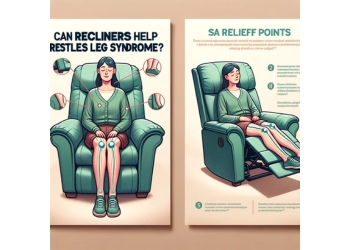
“Can recliner help restless leg syndrome?” is a question many sufferers of this neurological disorder often ask.
Restless Leg Syndrome (RLS) is a neurological disorder characterized by an irresistible urge to move the legs, often accompanied by uncomfortable sensations. These sensations can disturb sleep and relaxation, affecting one’s overall quality of life.
For many, finding relief becomes paramount. One potential solution that has garnered attention is the use of recliners. Designed for comfort and relaxation, recliners might offer a position that can reduce some of the discomforts.
This article delves into the potential benefits and considerations of using a recliner for managing restless leg syndrome.
Understanding Restless Leg Syndrome (RLS)

Restless Leg Syndrome, often shortened to RLS, is a bit like an itch in your legs that won’t go away, especially when you’re trying to rest or sleep.
Imagine feeling like bugs are crawling on or inside your legs, or having tingling or throbbing sensations that make you want to move your legs around. These feelings can be very bothersome, making it hard for some people to get a good night’s sleep.
The strange thing is, that moving the legs or walking around often makes these feelings go away for a little while. No one really knows exactly why this happens, but it’s linked to the brain and nerves.
If someone feels this way, especially at night, and finds relief when moving their legs, they might have RLS. It’s important to talk to a doctor about it because they can suggest ways to feel better.
Related Article: Best Recliners For Leg Circulation
Can Recliner Help Restless Leg Syndrome
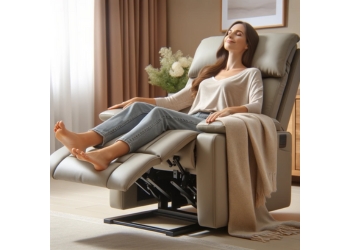
Certainly! Recliners can potentially help those suffering from Restless Leg Syndrome (RLS).
Here’s why: RLS makes people feel the need to constantly move their legs, especially when they’re sitting or lying down. It’s like an itch you can’t scratch. When the legs are raised and relaxed, some people find that the bothersome sensations decrease.
A recliner, by design, allows users to elevate their legs comfortably. This elevation can improve blood circulation, which might ease some of the discomfort associated with RLS.
Moreover, recliners support the entire body, distributing weight evenly and reducing pressure on specific areas, such as the lower back and legs. This supportive position might reduce some triggers or aggravations of RLS.
It’s also about the psychology of comfort. For some, just the act of reclining and feeling relaxed can help distract from the symptoms or make them more bearable. While a recliner isn’t a magic cure for RLS, it can be one of the many tools in one’s arsenal to fight the discomfort.
Even so, it’s essential to remember that what works for one person might not work for another. While many find relief in recliners, others might need different strategies or treatments. It’s always good to explore various options and see what works best for your unique situation.
Related Article: Are recliners bad for leg circulation
Benefits of Using a Recliner for RLS Relief

Restless Leg Syndrome (RLS) can be quite bothersome, but using a recliner might offer some relief. Here are the benefits of recliners in managing RLS:
Elevation Helps
Raising the legs can work wonders. When you elevate your legs using a recliner, the blood circulates more efficiently. This improved flow can reduce or even temporarily relieve the unsettling sensations often associated with RLS, like itching or tingling. Think of it as giving your legs a gentle, soothing break.
Full Body Support
Recliners cradle the entire body, providing a cushioned support that makes you feel embraced. By evenly distributing weight, they take away unwanted pressure from sensitive areas like the legs and lower back. It’s like getting a comforting hug, easing potential RLS triggers.
Relaxation
Everyone deserves a cozy spot to unwind. Recliners are designed with comfort as a priority. For those with RLS, this cozy embrace can serve as a distraction, making it easier to focus on relaxation rather than the restless sensations in the legs.
Flexibility in Positioning
Everyone’s comfort sweet spot is unique. With a recliner’s adjustable features, you can find the position that feels ‘just right’ for you. Whether slightly elevated or in a more pronounced recline, you’re in control of your comfort.
Better Sleep
Sleep disturbances are a common complaint for RLS sufferers. Sometimes, lying flat increases the urge to move. A recliner offers an alternative, letting you find a comfortable angle that might lead to more restful, uninterrupted sleep.
Less Stress on Joints
Beyond just RLS relief, recliners are kind to your joints. By offering the right support and elevation, they ensure that your joints aren’t overworked or strained. Over time, this can make a difference in overall joint health, indirectly helping to manage RLS symptoms.
Related Article: Can sitting in a recliner cause leg pain
How to Pick the Perfect Recliner for Easing RLS Symptoms
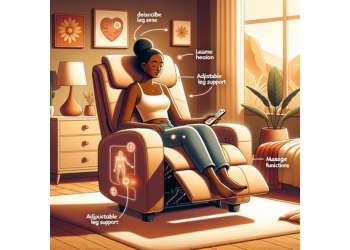
If you’re considering a recliner to help with Restless Leg Syndrome (RLS) relief, it’s essential to choose the right one. Here’s a simple guide to ensure you make the best choice:
Size Matters
Make sure the recliner fits your body size comfortably. If you’re taller or shorter than average, look for models designed specifically for your height. Your feet should rest comfortably on the ground when not elevated, and your head should be supported when you lean back.
Adjustability
A good recliner for RLS should offer various reclining angles and leg elevations. This feature lets you find the most comfortable position that reduces your symptoms the best.
Material
Think about what feels best against your skin. Some people prefer soft fabrics, while others might like the coolness of leather. Additionally, consider a material that’s easy to clean and durable.
Support
Ensure the recliner provides enough support for your lower back and legs. This support can make a big difference in how effective the chair is in providing RLS relief.
Test Before Buying
If possible, spend some time sitting in the recliner before purchasing. Check how it feels when you elevate your legs and when you recline fully.
Features
Some recliners come with added features like heating or massage options. These can be beneficial for RLS sufferers, offering additional relaxation and comfort.
Price and Warranty
While it’s tempting to go for the cheapest option, it’s essential to balance cost with quality. Also, check the warranty to ensure you’re protected in case of any defects or issues.
Related Article: What is a high leg recliner
Tips for Handling Restless Leg Syndrome

Living with Restless Leg Syndrome (RLS) can be challenging, but there are various ways to manage and reduce its impact. Here are some easy-to-follow tips to help you cope:
Regular Movement: Long periods of inactivity can increase RLS symptoms. Make it a habit to stand, stretch, or take short walks, especially during work or long travel. These simple movements refresh your legs and can provide a brief relief from the restless feelings.
Warm Bath: Immersing yourself in a soothing warm bath can melt away tension. The warm water relaxes your muscles and provides a calming environment. Adding Epsom salts or lavender oil can enhance the relaxation effect, preparing you for a more restful sleep.
Limit Caffeine and Alcohol: Caffeine and alcohol can be sneaky culprits. They might give a temporary buzz or relaxation, but they can also worsen RLS symptoms. Observing your intake and making adjustments can lead to a noticeable difference in the frequency of restless episodes.
Exercise: Engaging in regular, moderate exercise, like walking or swimming, can decrease the intensity of RLS symptoms. But remember, timing is crucial. Early evening or morning routines are best, as late-night intense workouts can have the opposite effect.
Cold and Warm Packs: Sometimes, a simple temperature change can do wonders. Alternating between cold and warm packs on your legs might confuse the restless sensations, giving you a brief period of comfort.
Sleep Schedule: Our bodies thrive on routine. Setting a consistent bedtime and wake-up time can help regulate your internal clock, potentially reducing the unpredictability of RLS triggers.
Meditation and Deep Breathing: Taking moments to center yourself can be incredibly beneficial. Meditation and deep breathing exercises not only divert attention from RLS but also make a holistic sense of well-being, making it easier to manage the condition.
Consult a Doctor: RLS is a neurological medical condition. If it’s affecting your day-to-day life or sleep, it’s essential to seek professional advice. They can provide recommendations, treatments, or medications specific to your needs.
Related Article: How to fix recliner leg rest
Conclusion
Recliners indeed present a promising solution for those grappling with Restless Leg Syndrome (RLS). By offering elevation, support, and a comfortable seating position, they address some of the core discomforts associated with RLS.
Elevating the legs can improve circulation, potentially reducing the restless sensations many experience. While a recliner might not be the all-rounded cure, it’s a practical tool in the broader arsenal of RLS management strategies.
For many, including a recliner in their living or sleeping space has been a game-changer, bringing much-needed relief and improving the overall quality of life.
Related Article: Are there recliners that bend your legs
Frequently Asked Questions
What is Restless Leg Syndrome (RLS)?
RLS is a neurological disorder characterized by an uncontrollable urge to move the legs, often accompanied by uncomfortable sensations. These feelings typically occur when resting, especially in the evenings.
How can a recliner assist those with RLS?
A recliner can offer relief by allowing users to elevate their legs, which might improve blood circulation. The elevation, combined with the support a recliner provides, can help in reducing the discomforting sensations associated with RLS.
Are there specific recliners designed for RLS sufferers?
While there isn’t a specific “RLS recliner,” some recliners come with features like massage or heat functions that can be beneficial for relaxation. When shopping, it’s essential to look for a recliner with good adjustability, support, and comfort.
Can a recliner replace medical treatments for RLS?
No, a recliner is a complementary solution. While it might offer relief for some, it should be combined with medical advice and any treatments prescribed by a healthcare professional for the best results.
How often should one use a recliner for RLS relief?
There’s no specific guideline, but one can use the recliner as often as they find relief in it. It can be especially beneficial during those times when RLS symptoms are most noticeable.
Are there any potential downsides to using a recliner for RLS?
For most, a recliner poses minimal risks. However, prolonged sitting, even in a recliner, can lead to muscle stiffness or other health concerns. It’s crucial to combine recliner use with regular movement and stretches. Always consult with a healthcare professional if unsure.

Julie D. Williams is a seasoned chair connoisseur with a decade in the furniture realm. She combines her keen eye for design and deep knowledge of ergonomics to provide readers with reviews and guides, ensuring comfort and style in every recommendation. Each piece is a fusion of aesthetics and function, tested and approved by Julie. A believer in the power of the perfect seat to transform spaces, she’s your go-to source for impeccable finds. When not reviewing chairs, Julie is on the hunt for vintage décor, weaving comfort and beauty into every aspect of life.