
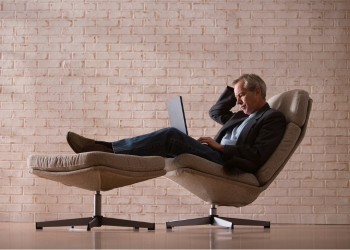
“Are recliners bad for leg circulation?” is a question that many ask, especially those who love lounging for extended periods.
Recliners are popular because they provide comfort and relaxation. But, there are concerns about their impact on our leg circulation.
Just as sitting at a desk job for long hours can be detrimental to blood flow, sitting in a recliner might have similar effects.
Proper circulation is crucial for delivering nutrients to tissues and removing waste products. When disturbed, it can lead to various health issues.
In this article, we’ll delve deeper into the relationship between recliners and leg circulation, providing insights for everyone.
Are Recliners Bad for Leg Circulation?
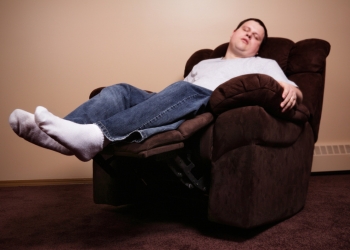
Recliners are chairs that many of us love. They lean back, lift our feet up, and give us a cozy spot to rest. But, have you ever wondered if they’re okay for our legs and blood flow?
When we talk about “leg circulation,” we mean how well blood moves around in our legs.
Good blood flow is important because our legs, like all parts of our body, need fresh blood to bring oxygen and nutrients.
If blood doesn’t flow well, our legs might feel tired, sore, or even numb.
Now, about recliners. When you sit in one, especially for a long time, your legs can be in a bent position. This bend can press on the blood vessels, the tiny tubes that carry blood.
When these tubes get pressed on, blood can’t flow as easily. It’s a bit like stepping on a garden hose; the water doesn’t flow as well!
But here’s some good news: not all recliners will cause problems, and not all people will have issues.
It depends on the design of the recliner and how you sit in it.
Some recliners offer better support and don’t affect circulation much.
Also, if you make it a habit to change your position, stand up, or walk around every once in a while, that can help a lot.
Recliners can be super comfortable, but it’s good to be mindful.
If you enjoy lounging in one, just remember to move your legs and stand up from time to time.
This simple habit can help ensure that your legs stay happy and healthy!
Related Article: Best Recliners For Leg Circulation
The Impact of Recliner Chairs on Leg Health
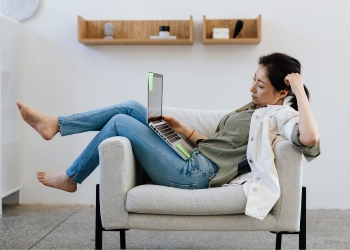
Recliner chairs are widely loved for the comfort they offer, letting you kick back and relax. But when considering their effects on our legs, it’s a mixed bag.
Firstly, they can be great for people with certain conditions, like swelling in the legs or back pain.
Elevating the legs can reduce swelling and give relief. However, there are also potential downsides.
If you’re spending hours on end in a recliner without moving, it might affect your leg health.
Prolonged sitting, in any chair, can slow down blood circulation.
Just like water in a still pond can get stale, blood that doesn’t flow well might cause issues like numbness or tingling.
Moreover, the angle of the chair might cause pressure on specific parts of the legs.
Think of it as wearing a backpack the wrong way; over time, it can cause discomfort.
It’s also essential to remember muscle health. Our leg muscles like to move. Sitting too long can make them lazy and stiff.
Recliner chairs are not naturally bad for your legs, moderation and mindful use are key.
Enjoy the comfort, but ensure you move, stretch, and give your legs the exercise they deserve.
Related Article: Can sitting in a recliner cause leg pain
Causes of Bad Circulation While Using Recliners
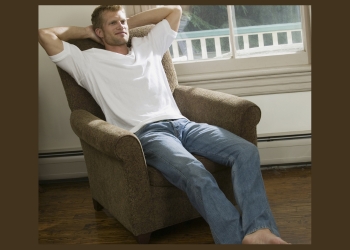
Recliners, with their plush comfort, are a favorite for many to relax. But, sometimes, these cozy chairs might not be the best buddies for our blood flow. Let’s explore when recliners can cause bad circulation:
In essence, while recliners are undeniably comfortable, being mindful of these factors can ensure you enjoy them without compromising your leg health.
Staying Put for Too Long
It’s easy to lose track of time when you’re snuggled up in a recliner. But staying seated for hours is like letting water sit still in a tub – it can get stagnant.
For our blood, being stagnant means it doesn’t move and circulate as it should. This can lead to feelings of coldness or numbness in the feet and legs.
So, while that might be tempting, it’s a good idea to stand up and move around occasionally.
Not the Right Angle
Think of your legs as a slide in a playground. If the slide is too steep or too flat, things don’t slide down correctly. The same goes for blood in your legs.
If a recliner raises your legs too high or doesn’t lift them enough, it can disturb the natural flow of blood.
Finding that sweet spot, where your legs feel relaxed without strain, can help in maintaining good circulation.
Pressure Points and Pinches
Some recliners, even though they feel comfy, might press against certain parts of your legs.
This pressure can act like a mini roadblock, slowing down the blood flow.
It’s similar to how a kinked hose stops water from flowing through.
Ensuring that the recliner doesn’t pinch or press too hard on any part of the leg can make a world of difference.
Lack of Leg Movement
Our muscles play a crucial role in pushing blood back up towards the heart.
When we sit and don’t move our legs for a long time, these muscles get lazy. It’s like they’re on a mini vacation!
But when they’re not working, blood can pool in the lower legs, making circulation slow.
A little stretch, or even rotating your ankles now and then can wake these muscles up and keep things flowing.
Related Article: What is a high leg recliner
Understanding the Side Effects of Recliner Chairs
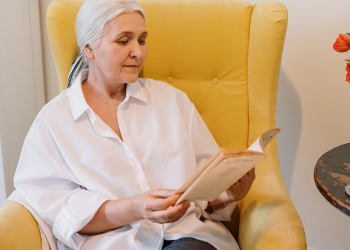
Recliner chairs are often the go-to for comfort and relaxation in many homes. However, like many things in life, there can be some side effects if not used mindfully. Here’s a simple breakdown of potential side effects:
Bad Circulation: Prolonged sitting, especially with legs raised, can slow down proper blood flow. Reduced circulation might lead to numbness, swelling, or a tingling sensation in the legs and feet.
Back Pain: If a recliner doesn’t provide enough lumbar support, it can cause or increase back pain. Over time, this lack of support can lead to poor posture and discomfort.
Muscle Stiffness: Spending a lot of time in one position can lead to muscle stiffness and soreness. Without regular movement, muscles can become tense, especially in the legs and lower back.
Pressure Sores: Remaining in one position for extended periods can create pressure points on the skin. This constant pressure, especially in individuals with reduced mobility, can lead to ulcers.
Joint Strain: In some cases, the angles at which a recliner holds the hips or knees might not be optimal, leading to potential joint strain or discomfort over time.
Digestive Issues: Extended reclining after meals can sometimes affect digestion, leading to discomfort or heartburn.
Dependency: Over-reliance on a recliner, especially among older individuals, can lead to decreased physical activity, which is essential for overall health and mobility.
Related Article: How to fix recliner leg rest
Effective Strategies to Alleviate Leg Pain from Recliners
Finding comfort in a recliner is a universal pleasure, but when that comfort is spoiled by leg pain, it’s essential to address the issue head-on. Here’s an enhanced guide to ensure your relaxation time remains just relaxing:
Perfect Your Position
The way your legs rest can make a world of difference. Choose a posture where your knees are either level with or above your hips. This posture promotes efficient blood circulation and minimizes unwanted stress on your legs.
Embrace Movement
It’s tempting to lounge for hours but remember, our legs love a little movement! Make it a habit to stand, stretch, and stroll around every so often. This short break revitalizes blood flow and wakes up those resting muscles.
Pillow Support
Introduce a cushion or pillow under your legs. This not only reduces pressure points but can also help in achieving that optimal leg position we talked about.
Hydration is Key
While it might not seem directly related, sipping on water helps muscle functionality and helps ward off cramps. Keep a drink within arm’s reach to remind yourself.
Mind Your Feet
Whether it’s choosing supportive footwear or slipping on compression socks, make sure your feet and lower legs are well-cared. These things can boost circulation and reduce potential swelling.
Active Lounging
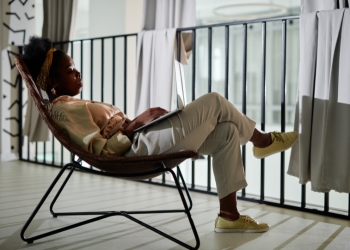
Even when seated, keep those legs active. Rotate your ankles, point and flex your toes, or engage in some light leg lifts. Such activities encourage circulation and relieve stiffness.
Tweak and Adjust
Make the most of your recliner’s settings. Play with different angles and footrest heights to discover what feels best for your legs.
Soothing Massages
Pamper your legs with periodic massages. This not only helps in boosting circulation but also eases muscle tension. Consider using massage tools or essential oils for added relaxation.
Invest in the Right Recliner
If recurring pain is an issue, it might be time to reconsider your chair. Look for recliners that prioritize ergonomics, offering lumbar support and customizable positioning.
Seek Expert Advice
Persistent pain is a signal not to be ignored. If these strategies don’t bring relief, it might be wise to consult with a healthcare professional or physiotherapist. They can provide insights according to your needs.
Related Article: Are there recliners that bend your legs
Conclusion:
Recliners, synonymous with comfort and relaxation, can sometimes be a double-edged sword when it comes to leg circulation.
While their plush embrace provides a haven for unwinding, prolonged use without proper positioning can slow down optimal blood flow in the legs. This can lead to discomfort, numbness, or even pain.
However, by being mindful of seating duration, ensuring correct leg posture, and incorporating regular stretches, one can enjoy the best of both worlds.
In essence, recliners aren’t inherently bad for leg circulation, but the way we use them can make all the difference.
Balancing comfort with health-conscious habits is the key.
Related Article: Can recliner help restless leg syndrome
Frequently Asked Questions
Do all recliners cause leg circulation issues?
No, not all recliners cause leg circulation problems. The impact on circulation largely depends on the design of the recliner, how long one sits in it, and individual health factors. Proper positioning and taking regular breaks can help prevent such issues.
Can I improve my recliner’s ergonomics for better circulation?
Absolutely! Adding supportive cushions, adjusting the angle of the recline, and occasionally elevating your legs can enhance your recliner’s ergonomics and promote better blood flow.
Are there specific signs I should look out for indicating poor circulation while using a recliner?
Yes, signs may include tingling, numbness, swelling, cold feet, or persistent leg pain after getting up. If you experience these symptoms regularly, it might be time to rethink how you use your recliner.
Are some individuals more prone to circulation issues from recliners than others?
Yes, individuals with existing health conditions like varicose veins, diabetes, or cardiovascular issues might be more susceptible to circulation challenges when using recliners for extended periods.
Is it a good idea to use a recliner if I’ve recently had leg surgery or injury?
It’s essential to consult with a healthcare professional in such cases. While a recliner might provide comfort, it’s crucial to ensure it doesn’t slow down the healing process or worsen any underlying issues.
How often should I take breaks when using a recliner?
Ideally, stand up, stretch, and walk around for a few minutes every hour. Regular movement prevents blood from pooling in the legs and promotes overall better circulation.

Julie D. Williams is a seasoned chair connoisseur with a decade in the furniture realm. She combines her keen eye for design and deep knowledge of ergonomics to provide readers with reviews and guides, ensuring comfort and style in every recommendation. Each piece is a fusion of aesthetics and function, tested and approved by Julie. A believer in the power of the perfect seat to transform spaces, she’s your go-to source for impeccable finds. When not reviewing chairs, Julie is on the hunt for vintage décor, weaving comfort and beauty into every aspect of life.