
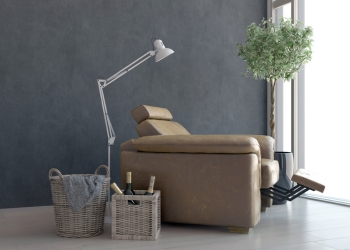
“How to Fix a Recliner Leg Rest” is a common question asked by many homeowners.
Recliners, with their blend of comfort and functionality, become an essential part of our living rooms.
Over time, the leg rest can develop issues, hindering our relaxation experience. Whether it’s not staying up, moving with difficulty, or getting stuck, these problems can be a nuisance.
However, before considering a costly replacement, there are simple ways to address these issues and restore the chair to its former glory.
This guide will walk you through the essential steps to get your recliner’s leg rest back in top shape.
How to Fix a Recliner Leg Rest
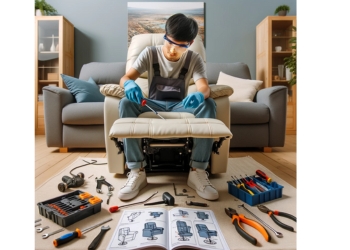
Recliners are the essence of comfort in many homes. But over time, frequent use can lead to wear and tear, especially with the leg rest.
If your recliner’s leg rest is refusing to stay up, feels stiff, or is stuck, there’s no need to panic or consider buying a new chair just yet. Most of these issues stem from common problems like stretched springs, a lack of lubrication, or minor damages in the mechanism.
With a little attention and basic tools like screwdrivers, pliers, and perhaps some lubricant, many of these problems can be fixed at home.
By inspecting the mechanism, cleaning away any debris, tightening any loose components, or applying lubricant, you can breathe new life into your recliner.
Remember, with a bit of care and periodic maintenance, you can ensure your recliner provides comfort for many more years.
Related Article: Best Recliners For Leg Circulation
Steps to Fix a Recliner Leg Rest

Safety Preparations:
Before starting any repair, ensure the recliner is on a stable surface. This prevents any unexpected movements. Placing an old sheet beneath can also catch any grease or debris, keeping your floor clean.
Initial Inspection:
Examine the leg rest mechanism closely. Identifying the exact issue, whether it’s a loose bolt or a damaged spring, will guide your repair process. This helps in ensuring you address the right problem.
Gather Necessary Tools:
Depending on the identified problem, you might need a screwdriver, pliers, or an adjustable wrench. Keeping your tools ready trims the repair process and saves time.
Dismantling (If Needed):
In some cases, you might need to take apart the leg rest. If so, keep all removed parts in order. This ensures smooth reassembly once the issue is addressed.
Address the Issue:
Now, based on your initial inspection, address the problem. It could be tightening a bolt, straightening a bent component with pliers, or replacing a worn-out spring.
Lubricate the Mechanism:
Applying a lubricant, like WD-40 or silicone spray, ensures smooth movement. Lubrication can prevent future stiffness and increase the life of the mechanism.
Reassembly:
If you’ve dismantled the leg rest, now’s the time to put it back together. Follow the reverse order of disassembly and ensure all parts are secured properly.
Test the Repair:
Before enjoying your recliner, test the leg rest multiple times. This ensures the problem is fixed and the leg rest functions smoothly.
Related Article: Are recliners bad for leg circulation
Common Problems and Solutions in Fixing a Recliner Leg Rest
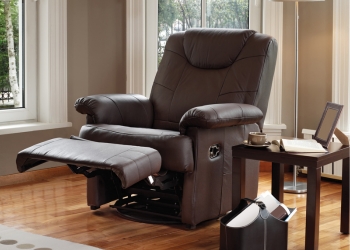
Recliners are our go-to relaxation spots in the home. Yet, frequent usage can lead to issues, particularly with the leg rest. Here’s a deeper dive into common problems and their solutions.
Leg Rest Won’t Stay Up
Cause: As time goes by, the tension springs responsible for holding up the leg rest can weaken or get damaged. This loss of tension is a primary cause. Additionally, the locking mechanism that secures the leg rest might malfunction, leading to its inability to hold positions.
Solution: Start by flipping the recliner to inspect those springs. If they’re noticeably slack or damaged, secure replacements. On the off chance it’s the locking mechanism that’s compromised, consider either replacing specific malfunctioning parts or the entire mechanism.
Leg Rest Feels Stiff or Is Hard to Raise
Cause: Over time, the lubrication that ensures smooth motion can diminish, resulting in friction between moving parts. Debris accumulation or dirt might also act as obstacles, further restricting movement.
Solution: Wipe down the mechanism to ensure it’s free from dirt or obstructions. Once it’s clean, use a lubricant like WD-40 or silicone spray on the moving parts, restoring that smooth operation.
Related Article: Can recliner help restless leg syndrome
Leg Rest Gets Stuck
Cause: A persistently stuck leg rest often hints at a misaligned or broken mechanism. Constant use, or even one-time forceful adjustments, can cause parts to misalign or break.
Solution: Begin by disassembling the mechanism, being mindful of its original configuration. Inspect each component, replacing any that are damaged. Upon reassembly, ensure correct alignment for seamless operation.
Wobbly or Uneven Leg Rest
Cause: Such instability can be attributed to loosened bolts or screws, holding the leg rest in place. Additionally, the foundational wooden components might be compromised, warped, or damaged, causing an uneven hold.
Solution: Firmly tighten any visibly loose components. If the wooden sections appear faulty, you might need to either secure them with additional support or consider a replacement.
Leg Rest Slams Down Rapidly
Cause: Have you ever tried to put the leg rest down and it just seems to fall way too fast? This usually means that the control that determines how fast or slow it goes might not be doing its job right. It’s like the brakes not working properly.
Solution: You can fix this by checking and adjusting the part that controls the speed – it’s called the tension mechanism. If adjusting doesn’t work, you might need a new one. Just be sure the new part fits your chair’s model.
Leg Rest Doesn’t Open or Close All the Way
Cause: When you push or pull the leg rest, and it doesn’t go all the way out or in, it’s like a drawer that’s stuck. This can be because something’s blocking its path or the part that helps it slide might be broken or worn out.
Solution: Start by looking for any items or debris that might be in the way and remove them. If that doesn’t help, you might need to check the mechanism that helps it move. Sometimes, this requires getting a new part or making a small adjustment to fix it.
Related Article: Can sitting in a recliner cause leg pain
Maintenance Tips for Your Recliner’s Leg Rest

Let’s look into the maintenance tips for your recliner’s leg rest, making sure it’s always in tip-top shape. Small acts of maintenance can ensure lasting comfort and durability.
Regular Checks:
Think of your recliner as a loyal friend; it needs check-ups too! Every so often, especially after heavy use, give it a thorough look. Make sure the leg rest operates without any unusual noises.
Clean with Care:
A clean recliner is a happy recliner. Using a gentle cloth, wipe down the leg rest, ensuring that no dust or crumbs hinder its movement. This simple act can prevent many potential problems.
Smooth Operations:
Imagine your recliner’s moving parts getting thirsty. Relieve that thirst by applying a bit of lubricant, like WD-40, every few months. This keeps things sliding and reclining without any squeaks or jerks.
Secure Those Bolts:
If you spot any screws or bolts that seem to be playing hide and seek (coming loose), it’s time to tighten them. A quick twist with the right tool can prevent future wobbles or breaks.
Gentle Handling:
Remember, your recliner isn’t fond of rough play. If something feels stuck or isn’t moving right, resist the urge to force it. It’s always better to investigate the issue calmly rather than cause potential damage.
Cushion Care:
Over time, the cushion in your leg rest might feel like it took a little nap of its own, becoming lumpy or flat. Gently fluff it up or consider adding some fresh padding to bring back that comfy feel.
Stay Proactive:
Listen to your recliner; it often gives small hints when something’s wrong. Addressing these minor signals early can save you from facing major repairs down the line.
Related Article: What is a high leg recliner
Conclusion
Understanding how to fix a recliner leg rest is important for anyone cherishing their comfort moments at home.
With time, these beloved chairs might face issues, particularly in the leg rest area. By being aware of common problems, their causes, and straightforward solutions, one can increase the life of their recliner.
Regular maintenance and timely interventions are key. After all, ensuring your recliner is in top shape means uninterrupted relaxation and comfort for you.
So, show your recliner some love, and it’ll continue being your cozy retreat for years to come!
Related Article: Are there recliners that bend your legs
Frequently Asked Questions
What’s the most common issue with recliner leg rests?
The most frequent problem is the leg rest failing to stay up, usually due to weakened tension springs or a malfunctioning locking mechanism.
How often should I lubricate the moving parts of my recliner leg rest?
It’s advisable to lubricate the moving parts every few months or whenever you notice stiffness or hear squeaking sounds.
Can I replace parts of my recliner leg-rest, or do I need to get a new recliner?
Many components of the recliner leg-rest can be individually replaced, saving you the cost and hassle of purchasing an entirely new chair. Always check for available parts and their compatibility with your recliner model.
Is it safe to force the leg to rest if it’s not moving?
No, forcing the leg rest can lead to further damage. It’s best to inspect the cause of the problem and address it accordingly.
How can I ensure the longevity of my recliner’s leg rest?
Regular maintenance, such as cleaning, lubricating, and periodic inspections, can significantly extend the lifespan of your recliner’s leg rest. Address any issues as soon as they arise to prevent more significant problems.
Are there professionals who specialize in recliner repairs?
Yes, there are professionals and services that specialize in furniture and recliner repairs. If you’re unsure about a DIY approach, it’s a good idea to consult with or hire a professional to ensure the best results.

Julie D. Williams is a seasoned chair connoisseur with a decade in the furniture realm. She combines her keen eye for design and deep knowledge of ergonomics to provide readers with reviews and guides, ensuring comfort and style in every recommendation. Each piece is a fusion of aesthetics and function, tested and approved by Julie. A believer in the power of the perfect seat to transform spaces, she’s your go-to source for impeccable finds. When not reviewing chairs, Julie is on the hunt for vintage décor, weaving comfort and beauty into every aspect of life.