

“Can I sit in a recliner after hip replacement?” is a question many patients ask following this life-changing surgery.
After the procedure, comfort and safety during recovery are top priorities, and sitting comfortably is a big part of that. The way you sit, rest, and move is significantly different from your pre-surgery routine.
It’s essential to rest and heal, but knowing the right way to do so is just as important. While recliners can offer comfort and support, it’s important to know how to use them properly to avoid harming your new hip.
This article talks about how you can use a recliner to relax without compromising your hip’s health, offering tips that are easy to understand and follow for a safe and comfortable recovery.
Understanding Hip Replacement Surgery
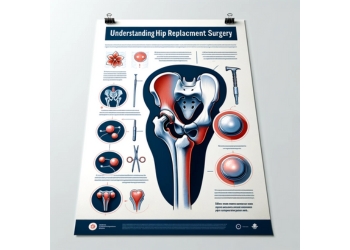
Hip replacement surgery, also known as hip arthroplasty, is a procedure where a damaged hip joint is replaced with an artificial one. This surgery is typically done to relieve pain and improve mobility when other treatments haven’t been effective, usually because of damage from arthritis or an injury.
Types of Hip Replacement Surgeries
There are mainly two types of hip replacement surgeries:
Total Hip Replacement (THR): This is the most common type. In total hip replacement, both parts of the hip joint are replaced. The head of the thigh bone (femur) is replaced with a metal or ceramic ball, and the hip socket (acetabulum) is replaced with a metal shell and a plastic liner.
Partial Hip Replacement: Also known as hemiarthroplasty, partial hip replacement involves replacing only the head of the femur with a metal or ceramic ball. This type is less common and is usually performed after certain types of hip fractures.
Can I Sit in a Recliner After Hip Replacement

After undergoing hip replacement surgery, many patients wonder if they can relax in a recliner. The answer is yes, but with some important considerations to ensure it doesn’t interfere with the healing process.
A recliner can indeed offer a comfortable way to rest while keeping your leg elevated, which is beneficial for reducing swelling and improving blood circulation in the early stages of recovery.
However, the type of recliner you choose and how you use it is crucial to your safety and the success of your hip recovery.
Your recliner should provide firm support and enable you to sit with your hips positioned higher than your knees to avoid bending the hip too much, which could risk dislocating the new joint.
The seat should not be too deep; your feet should reach the floor when you sit back, allowing you to stand up without putting unwanted stress on your hip. Additionally, when sitting down or standing up from the recliner, it’s important to avoid twisting movements or leaning too far forward, to prevent straining your hip.
While sitting comfortably is important, staying seated for too long is not advisable. It’s essential to balance rest with activity — getting up, moving around, and performing doctor-recommended exercises to strengthen the hip and promote healing.
Following your surgeon’s and physical therapist’s advice will help ensure that you can enjoy the comfort of your recliner without compromising your recovery after a hip replacement.
Related Article: Best Recliners for Hip Replacement Surgery: Elevating Comfort
How to use a recliner After Hip Replacement?

Using a recliner after a hip replacement can be a source of comfort if done with caution. Here are the steps to use a recliner safely, to ensure your hip is well-protected:
Choosing the Right Recliner:
- Select a recliner that provides enough support. The seat should be firm, and the height should be such that when you sit down, your knees are not above your hips. This helps maintain the proper alignment and reduces the risk of dislocation.
Sitting Down Carefully:
- Approach the recliner until the backs of your legs gently touch it.
- Firmly grasp the armrests with your hands.
- Lower yourself slowly, keeping your operated leg out in front and your back straight to minimize bending at the hip.
Proper Positioning While Seated:
- Once seated, check that your hips are slightly higher than your knees. Use a cushion if necessary for extra height.
- If the recliner has a footrest, raise it to support your leg, which can help with swelling.
- Avoid twisting or reaching while seated, as these movements can strain your hip.
Standing Up with Care:
- Move to the recliner’s edge while keeping your operated leg extended out in front.
- Plant your feet firmly on the floor, shoulder-width apart for stable support.
- Use the strength of your arms and non-operated leg to push yourself to a standing position, avoiding leaning forward too far.
Adjusting Your Recliner:
- If the recliner is manual, reach for the lever carefully with your good arm or use the remote control for an electric recliner to adjust your position without twisting.
- Gently recline to a comfortable position, being mindful not to go back too far as to stress your hips.
Maintaining Activity:
- While it’s important to rest, don’t remain seated for extended periods. Regularly standing and walking as per your doctor’s advice can be helpful in your recovery.
Advantages of using a Recliner After Hip Replacement

Using a recliner after hip replacement surgery can have several advantages, as long as it’s done correctly:
Comfort and Relaxation:
Recliners are specially designed to provide a comfortable and relaxing experience. This can be particularly comforting when you’re in the process of recovering from surgery, as the soft cushioning and ability to recline can reduce discomfort.
Support:
A well-designed recliner gives sturdy support to your body, especially around the hips and lower back. This consistent support helps to keep your body aligned, which is crucial when you’re healing from a hip replacement. It ensures that the new joint is kept in the optimal position, minimizing stress on it.
Leg Elevation:
The elevation feature of many recliners can be a boon post-surgery. Raising your legs above the level of your heart, as is often possible with a recliner’s footrest, can significantly help in reducing swelling and improving blood flow, which are both essential for a quick recovery.
Customizable Positioning:
Recliners typically come with the ability to adjust the angle of the backrest and the footrest. This adjustability allows you to customize your seating position according to what feels best for you at any given moment, providing relief and helping in recovery without putting any extra pressure on the hip.
Ease of Mobility:
Many modern recliners have electronic controls that simplify the adjustment process, a feature that can be incredibly helpful for someone who has just had hip surgery. This means you can change your position easily without having to get up or ask for assistance, promoting a sense of independence.
Independence:
Being able to sit down and stand up with minimal or no help at all can significantly boost your morale and contribute to a sense of independence. This psychological benefit is just as important as the physical one, as a positive mindset is a key component of a successful recovery journey.
Related Article: Are Recliners Bad for Your Hips?: The Truth Revealed
Post-Hip Replacement: What Not to Do
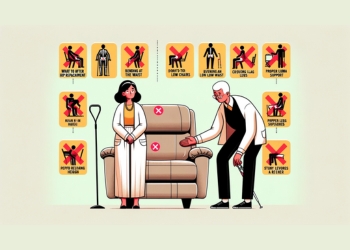
Recovering from a hip replacement takes time and caution. While your body is healing, there are certain actions and activities that you should consciously avoid to prevent injury and ensure the best outcome for your new hip:
Leg Crossing: Keep your legs and ankles uncrossed to maintain optimal alignment in your hips and prevent unwanted pressure on your new joint.
Twisting Movements: Remember, twisting your torso while your feet remain planted can cause unwanted stress on your hip joint. Always move your feet to the point where you want to go, keeping your hips and shoulders aligned.
High-Impact Sports: Sports or exercises that make you jump, run, or stop suddenly are too rough for a new hip. It’s like expecting a fresh plant to hold up in a storm – give it time to root and grow strong.
Excessive Bending: Bending all the way down to touch your toes or scoop something off the floor is off-limits for now. If your shoelaces come undone, ask someone else to help or sit and lift your foot up to you.
Heavy Lifting: Carrying your heavy groceries or lifting a big water jug? Not yet. It’s like putting a heavy backpack on a new shelf – you wouldn’t, until you know it’s secure.
Driving: Your ability to hop in the car and go for a spin needs to wait until you can move quickly and comfortably. It’s important not to rush this – safety first!
Stairs Climbing: If you must face stairs, take them one at a time, and use the railing. Imagine you’re in no rush and each step is a movement towards healing.
What to Consider When Looking for a Recliner?
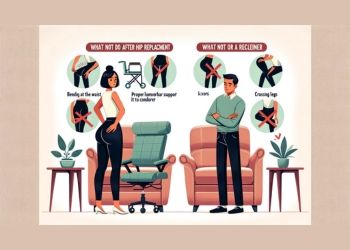
When you’re in the market for a recliner, especially after something like hip replacement surgery, there are a few key features you should keep in mind to ensure comfort and support:
Height and Depth of the Seat: The seat should be tall enough so that your feet rest flat on the floor when you’re seated, and deep enough so that your thighs are fully supported but not so deep that it puts pressure behind your knees.
Ease of Use: Choose a recliner that is easy to get in and out of. Recliners with power lifts can be very helpful for someone recovering from surgery because they can help you stand up with very little effort on your part.
Supportive Armrests: Armrests should be sturdy and comfortable to help you as you sit down and stand up. They play a key role in helping you keep balance and taking some strain off your hips.
Reclining Mechanism: Make sure the reclining mechanism is smooth and easy to operate. Some recliners come with remote controls which can be very convenient if you have limited mobility.
Footrest: A built-in footrest that is easy to extend can provide necessary support for your legs and can help in maintaining proper circulation, which is crucial after hip surgery.
Appropriate Size: Make sure the recliner fits your body size. Your head should be comfortably supported by the backrest, and your knees should be at the level of the seat when seated, not higher.
Non-Slippery Fabric: The fabric should not be too slippery, making it difficult to sit down or stand up, but also easy to clean, as you may spend a lot of time in it.
Related Article: Can I Sit In Recliner After Hip Steroid Injection?: Hip Rest
Conclusion
Sitting in a recliner after a hip replacement can be a comfortable and supportive way to relax while you recover.
The right recliner can offer the necessary support to your hip, help maintain proper posture, and even be helpful in circulation and reducing swelling with its reclining and leg-elevation features.
However, it’s important to choose a recliner that suits your body’s needs and to follow your doctor’s advice on how to sit and get up properly to avoid any strain on your new hip.
With careful consideration and proper use, a recliner can be a beneficial addition to your recovery routine after hip replacement surgery.
Frequently Asked Questions
Is it safe to use a recliner after hip surgery?
Yes, it’s generally safe to use a recliner after hip replacement surgery. A recliner can offer good support and help keep your legs elevated. Just make sure to choose a recliner that’s easy to get in and out of and keeps your hips in a safe position.
How long after my hip surgery can I sit in a recliner?
You should ask your doctor for specific advice, but many people can use a recliner almost immediately after surgery. The key is to maintain the correct sitting position and avoid bending your hips past 90 degrees.
What’s the best way to sit in a recliner after my surgery?
Sit back in the recliner with your back and hips at a 90-degree angle. Your feet should rest flat on the floor when you’re seated, and your knees should be at a right angle.
How often should I change positions in a recliner after hip replacement?
It’s important not to sit in one position for too long. Try to get up and move every 30 to 60 minutes to improve circulation and prevent stiffness in your hip.

Julie D. Williams is a seasoned chair connoisseur with a decade in the furniture realm. She combines her keen eye for design and deep knowledge of ergonomics to provide readers with reviews and guides, ensuring comfort and style in every recommendation. Each piece is a fusion of aesthetics and function, tested and approved by Julie. A believer in the power of the perfect seat to transform spaces, she’s your go-to source for impeccable finds. When not reviewing chairs, Julie is on the hunt for vintage décor, weaving comfort and beauty into every aspect of life.