
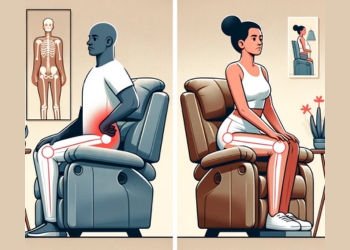
Are recliners bad for your hips? This question often arises when people consider the impact of their daily seating choices on their health.
Recliners, popular for their comfort and style, may not always align with the needs of our lower body. Especially for those who spend a considerable amount of time lounging, the positioning of the hips and the support provided by the chair can be crucial.
It’s important to understand how these cozy pieces of furniture affect our hip health and if they contribute to any underlying issues. In this article, we’ll begin to explore the connection between reclining and hip wellbeing.
Understanding the Hip Joint
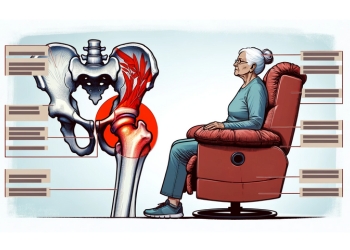
The hip joint is like a deep pocket where the top of your thigh bone (femur) fits into a part of your pelvis called the acetabulum.
It’s super strong because it carries the weight of your upper body, especially when you’re standing, walking, or running. Think of it as a ball (the end of the thigh bone) that sits inside a socket (the pelvis part), and it’s held together by muscles, tendons, and ligaments.
This joint is special because it allows you to move in different directions – you can bend, twist, and swing your leg because of it. But it’s not just about movement; your hip joint also needs to be stable to support your body.
When you sit, especially for a long time, the position of your hips changes.
If you’re sitting in a way that’s not natural or supportive, like slumping down in a recliner, it might not be the best position for your hips.
Are Recliners Bad for Your Hips?
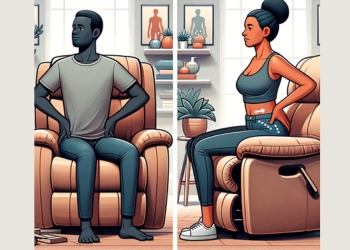
Yes, recliners can be bad for your hips if they do not provide proper support. When you lounge in a recliner, how you’re positioned can sometimes mean your hips are bent at a sharp angle.
If your knees end up higher than your hips, this can lead to an unnatural posture, straining the hip joint and surrounding muscles.
Even so, it’s not that simple because not all recliners are the same, and not everyone’s body reacts the same way.
Some recliners are designed with ergonomic features that offer better support and help maintain a healthier hip alignment. These may allow adjustments so that you can sit with your hips and knees at a comfortable angle, reducing potential stress on your hips.
It also depends on how long you sit in the recliner. Short periods of sitting might not cause any harm, but if you’re spending hours on end in a recliner that doesn’t support your hips correctly, you could be inviting trouble.
So, if you’re using a well-designed recliner with good support and not sitting for too long at a stretch, your hips should be okay.
But if your recliner is putting your hips in an awkward position and you’re spending a lot of time in it, then yes, it could be bad for your hips.
Related Article: Can Sitting In A Recliner Cause Hip Pain?: Recliner Comfort
Why Does Your Hip Hurt When Sitting in a Recliner?
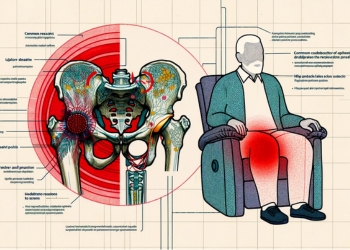
If your hip hurts when you’re sitting in a recliner, it’s kind of like wearing a pair of shoes that don’t fit quite right. Just like your feet would be sore after a day in tight shoes, your hip can hurt after sitting in a recliner that doesn’t support it properly.
A recliner can be bad for your hips in a few situations:
Wrong Shape:
Imagine sitting on a chair that’s just not right for you—it’s either too big, making you feel lost in it, or too small, making you feel squished. This is what happens if a recliner doesn’t fit your body properly. It can push and pull your hips into positions that feel awkward and uncomfortable after a while.
Too Much Bend:
If your recliner leans back too far and your knees end up higher than your hips, it can put some unnecessary pressure on your hip joints. Your hips aren’t happy being pushed into an unnatural shape—it’s a bit like holding a smile for too long; it starts to hurt after a while.
Soft Cushions:
A recliner with cushions that are too soft can be a problem. When you sink in, your hips might tilt this way or that, and they’re not meant to stay tilted for long periods. It’s like sitting in a really soft bed; at first, it feels nice, but eventually, you can tell it’s not giving you the support you need.
Extended Hours:
Hips are built for moving, so when you’re sitting in the same recliner for hours, it’s no wonder they start to hurt. Long periods of inactivity make your hips stiff and sore, similar to how you feel after sitting through a whole movie without a break.
Existing Hip Issues:
For those with hip conditions like arthritis, the wrong recliner can make your hips feel worse. It’s crucial to have a chair that helps hold your hips in a comfortable position, without adding extra stress or discomfort.
Benefits of Using A Recliner for Your Hips
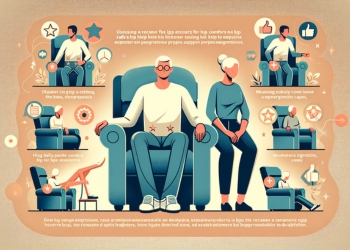
While recliners can be a bit tricky for hip health if you don’t use them properly, they can also be a real treat for your hips when they offer the right kind of support, comfort, and features.
Let’s dive a bit deeper into how recliners can be beneficial for your hips:
Comfort:
A good recliner allows your body to fully relax. This relaxation extends to your hips, easing any tightness and letting the entire area breathe a sigh of relief. It’s like loosening a tight belt after a meal, giving your hips a break from the pressure of standing or sitting up straight.
Proper Support:
The best recliners offer solid support for your hips, maintaining them in a natural position without forcing them into any awkward angles. This ensures that your hips aren’t strained and that they’re supported just right, which can prevent soreness.
Leg Elevation:
Many recliners have a feature where you can raise your legs, which is a boon for hip health. Elevating your legs can help reduce swelling and take the stress off your hip joints. It’s a position that can encourage better blood flow and take the edge off after a long day on your feet.
Adjustability:
The ability to adjust your recliner means you can switch up your position as needed. This flexibility lets you serve what your hips need at any given moment, helping you avoid staying in one position for too long, which can lead to stiffness.
Therapeutic Features:
Features like heat and massage can provide therapeutic benefits to your hips. Heat can help relax the muscles around your hips, while massage functions can stimulate blood flow and ease muscle tension. Together, they can help keep your hips feeling active and less prone to discomfort.
Related Article: Can I Sit In Recliner After Hip Steroid Injection?: Hip Rest
Tips for Using Recliners Without Harming Your Hips
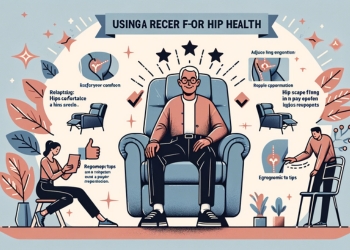
To enjoy your recliner without hurting your hips, here are some easy tips to follow:
Choose the Right Recliner: It’s important to choose a recliner that’s just the right size for you, like finding a pair of shoes that fit perfectly. You want to be able to sit back with your feet flat on the ground, without feeling like you’re getting sunk in a cushiony space.
Watch the Tilt: When you recline, adjust the angle so your body is relaxed but not folded too sharply. Your knees should be at a comfy, natural level compared to your hips — not pointing up to the ceiling.
Rest Your Legs: Use the built-in footrest to support your legs and reduce the load on your hips. This can help you to not strain your hip joints and prevent that achy feeling you get from hanging your legs.
Take Breaks: Make it a habit to stand up and move around now and then, kind of like hitting the pause button on a long movie. Stretching your legs and walking a bit will help keep your hips from getting stiff.
Cushion Support: If your recliner isn’t giving your lower back the love it needs, tuck a small cushion or a rolled-up towel behind you for that extra support, just as you might adjust your pillow for a good night’s sleep.
Don’t Sleep for Long Hours: It’s tempting to doze off in the comfort of your recliner, but try not to turn it into your overnight bed. Your hips will be much more satisfied if you move to a bed that gives you the proper support for a full night’s rest.
Stay Active: Remember to stay active. Like changing your sitting position every so often, it’s good to keep your body in motion. Even a little walk around the room can do wonders for your hips.
Things to consider before buying a Recliner

When you’re on the hunt for a new recliner, here are some things to keep in mind:
Size: Make sure the recliner fits you. Sit in the recliner and check if your feet can touch the floor while your back is against the backrest, and if your head can comfortably lean on the headrest. You shouldn’t feel like you’re sinking or stretching to fit.
Support: Your lower back needs a nice, supportive hug from the chair. The recliner should have a curve that matches the natural curve of your spine. It should support your lower back so it doesn’t feel like there’s a gap there.
Reclining Mechanism: Test out how the chair reclines. The mechanism should be smooth and easy to use – a lever or button that responds to a gentle push or pull, allowing you to recline and return to upright with minimal effort.
Material: Whether you’re a leather lover or a fabric fan, pick a material that suits your lifestyle. If you tend to snack or spill, something wipeable might be your friend. And if you’re prone to napping, a soft, breathable fabric can keep you cool.
Features: Think about what would make your reclining experience lovely. Do you want to indulge in a little back massage? Or maybe you’d like some warmth on a chilly evening? Cup holders, storage pockets, and USB ports can also add a touch of convenience to your relaxation time.
Durability: Give the recliner a good look. Check the joints, the frame, and the base. You want something that feels stable and doesn’t wobble, promising years of reliable comfort.
Style: You’ll be looking at this recliner a lot, so choose one that makes you smile. It should fit in with your room’s vibe, whether that’s cozy and rustic or sleek and modern.
Budget: Set a spending limit before you shop. Recliners come at all price points, and it’s important to find a balance between the features you want and what you’re comfortable paying.
Related Article: Can I Sit in a Recliner After Hip Replacement?: Surgery Care
Conclusion
Recliners are not necessarily bad for your hips; it’s more about how you use them. Choose a recliner that suits your body’s size and supports your back and hips well. Use the reclining feature to relax without overdoing it – your knees shouldn’t be way above your hips, and your back shouldn’t be slouching.
Mix up sitting with some walking or stretching to keep your hip joints from getting cranky. So, while recliners can be a cozy corner for easing into after a long day, they should be enjoyed responsibly.
Treat your recliner like a good friend who gives you comfort without any aches – sit back, and relax, but don’t forget to move! Recliners aren’t the enemy of your hips – just be smart about your choice and how you lounge in them.
Enjoy relaxing responsibly!
Frequently Asked Questions
Do recliners hurt your hips?
Not always. Recliners can be comfortable and not harm your hips if they’re the right fit for your body and used properly. Make sure you choose one with good support, especially for your lower back, and don’t sit for too long without taking breaks to stretch and walk around.
Can sitting in a recliner cause hip pain?
If you sit in a recliner that doesn’t support your body well, or if you sit for too long without moving, it might lead to hip discomfort. It’s like sitting anywhere for too long; your body just needs a change of position now and then.
What’s the best way to sit in a recliner to avoid hip pain?
The best way is to sit with your back against the backrest, your feet flat on the floor or on a footrest, and your hips slightly higher than your knees. Also, use a cushion for extra lumbar support if needed.
How long is too long to sit in a recliner?
It’s a good idea to get up and move every 30 minutes to an hour. Just standing up, stretching a bit, or taking a short walk can help keep your hips from getting stiff.
Can I sleep in my recliner without hurting my hips?
Short naps are usually fine, but sleeping in a recliner all night isn’t recommended, especially if you have existing hip issues. For a full night’s sleep, it’s better to lie down in a bed that supports your whole body evenly.
What features should I look for in a hip-friendly recliner?
Look for a recliner with adjustable reclining angles, good lumbar support, high-quality cushioning that doesn’t let you sink too much, and a sturdy frame. Extra features like a footrest can also add to your comfort.

Julie D. Williams is a seasoned chair connoisseur with a decade in the furniture realm. She combines her keen eye for design and deep knowledge of ergonomics to provide readers with reviews and guides, ensuring comfort and style in every recommendation. Each piece is a fusion of aesthetics and function, tested and approved by Julie. A believer in the power of the perfect seat to transform spaces, she’s your go-to source for impeccable finds. When not reviewing chairs, Julie is on the hunt for vintage décor, weaving comfort and beauty into every aspect of life.