
Many people have started to wonder, “can a viabrator on a massage chair trigger AFib?” as massage chairs have surged in popularity across homes and wellness centers. Known for their therapeutic benefits, these chairs are a modern solution to the age-old need for relaxation and pain relief. But what happens when relaxation tools intersect with health conditions such as Atrial Fibrillation, commonly known as AFib?
AFib affects millions worldwide, characterized by an irregular and often rapid heart rate that can lead to blood clots, stroke, and heart failure. Understanding both these elements—the soothing allure of massage chairs and the critical nature of AFib—is essential in answering our central question.
Understanding Massage Chair Mechanics
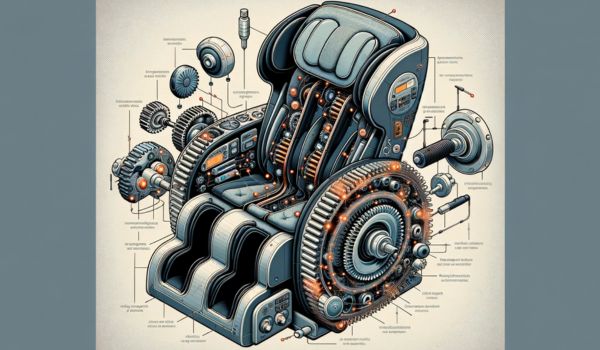
Massage chairs are not just fancy recliners; their design is a testament to advanced engineering, intended to mimic hands of a masseuse with precision and consistency. They utilize a combination of motors, gears, and rollers to create movements that can knead, roll, and tap the stress right out of your muscles. The vibrations, particularly, are often the focus of health inquiries.
These vibrations are designed to stimulate muscle fibers and improve blood circulation, potentially offering a cascade of wellness benefits.
But who uses these vibrating thrones of relief? Typically, you’ll find a diverse demographic—from the elderly seeking relief from chronic pain, to athletes needing muscle recovery, to the average person needing a moment of escape from the stress of daily life. This wide usage underscores the importance of understanding how these mechanical relaxants interact with specific health conditions like AFib.
Atrial Fibrillation (AFib): Causes and Triggers
Turning our focus to AFib, this condition is not just about an irregular heartbeat; it’s about an electrical storm in the heart that disrupts the normal flow of electrical impulses. Symptoms might include palpitations, fatigue, and shortness of breath, presenting not just discomfort but significant risk. The triggers for AFib are varied—ranging from high blood pressure and heart disease to excessive alcohol use or even stress.
Given these triggers, it’s reasonable to question if the vibrations from a massage chair could also be a potential risk. The hypothesis is that if vibrations can affect muscle and blood flow, might they also affect the heart’s rhythm? While comprehensive studies are limited, the personal accounts and preliminary data suggest a nuanced relationship between external vibrations and heart rhythm stability.
More research is needed to draw definitive conclusions, but it’s clear that individuals with AFib should approach the use of vibrating massage chairs with caution, consulting healthcare providers to tailor their relaxation practices safely.
This exploration into whether a vibrator on a massage chair can trigger AFib reveals a complex interplay between modern relaxation technologies and cardiac health. As massage chairs continue to evolve and integrate more sophisticated technologies, ongoing research will be crucial in ensuring that these tools can be safely enjoyed by all, regardless of their heart health.
Mechanisms of Action: Can Massage Chair Vibrations Trigger AFib?
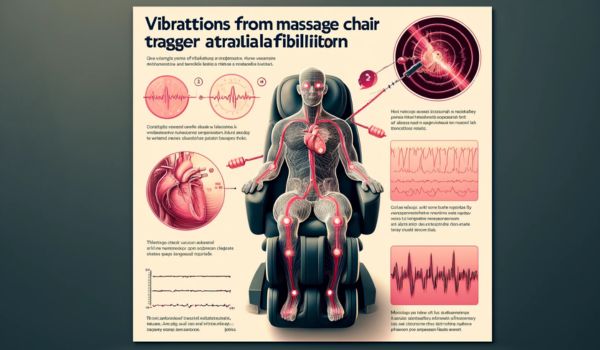
The investigation into whether massage chair vibrations can influence heart rhythms takes us into a more scientific domain, examining the body’s response to external stimuli. Several studies have explored how vibrations, in general, affect the human body, particularly focusing on occupational exposure to vibrations and their cardiovascular impacts.
The theory is that vibrations could potentially alter blood flow and stress levels, thereby influencing the cardiovascular system’s stability.
The heart’s electrical activity is susceptible to various external and internal factors, and understanding how mechanical vibrations interact with this activity requires a nuanced approach. For individuals with a predisposition to AFib or other heart conditions, the introduction of a consistent, rhythmic pressure could theoretically pose a risk. This aspect of the research is crucial as it considers the variability in individual health backgrounds—what might be a non-issue for a healthy person could be a trigger for someone with underlying cardiovascular vulnerabilities.
Related Post
What You Need to Know About Pacemakers and Massage Chairs
Clinical Evidence and Expert Opinions
Moving from theoretical and mechanistic studies to more concrete evidence, the clinical research focusing specifically on the link between massage chair vibrations and AFib remains limited. However, general research into vibration exposure and heart rhythm abnormalities provides some foundational insights.
These studies often measure immediate responses to vibration exposure, such as changes in heart rate variability (HRV), which is a common indicator of cardiac autonomic regulation.
Cardiologists and other medical professionals emphasize the importance of personalized medical advice when considering the use of massage chairs by individuals with AFib. Expert opinions suggest that while there is no conclusive evidence directly linking massage chair use to AFib episodes, caution is advised.
Medical professionals recommend that patients with any history of heart rhythm abnormalities consult with their healthcare provider before using such devices.
The conversation about massage chairs and their safety for those with AFib integrates both sparse clinical data and broader medical advice. The consensus underscores the importance of individual health assessments and tailored recommendations in the context of using therapeutic technologies like massage chairs.
User Experiences and Anecdotal Evidence
The quest to understand whether massage chair vibrations can trigger AFib has led many to share their personal experiences, which form a significant part of our understanding. Anecdotal reports from individuals with AFib who use massage chairs reveal a spectrum of outcomes. Some users report no adverse effects and note the relaxation benefits of their massage chair, while others describe episodes that they attribute to their massage chair use, particularly during or shortly after using the vibration features.
Online forums and support groups for those with AFib have become valuable resources for gathering firsthand accounts. In these digital communities, members often share their experiences, offering insights into how their bodies react to various stimuli, including massage chair vibrations.
These narratives, while not scientifically rigorous, provide a real-world glimpse into the lives of those affected by AFib and how they manage their condition with or without a massage chair.
Mitigation Strategies and Safety Precautions
Given the mixed experiences and the lack of definitive clinical evidence, individuals with AFib should consider several recommendations and safety guidelines if they are contemplating the use of a massage chair:
- Consultation with Healthcare Providers: Before using a massage chair, it’s crucial for individuals with AFib to consult their cardiologist or primary care physician. A medical professional can assess personal risk factors and potentially recommend an echocardiogram or other monitoring tools to evaluate the heart’s response to vibrations.
- Starting Slowly: For those cleared by their doctors, beginning with short sessions on low settings can help gauge the heart’s response to the chair’s vibrations. Monitoring any changes in heart rhythm or unusual symptoms during these initial trials is important.
- Avoiding High Vibration Settings: If a particular vibration intensity or pattern seems to correlate with discomfort or palpitations, it may be wise to avoid these settings. Using the chair for its non-vibrating features, such as heat or reclining functions, might still provide relaxation benefits without the risks.
- Having a Plan: Knowing the signs of an AFib episode and having a plan in place for managing one is crucial. This includes having easy access to emergency medication and maintaining communication with a healthcare provider in case symptoms are triggered during or after using the massage chair.
- Regular Reviews and Adjustments: As conditions and sensitivities can change over time, regularly reviewing and adjusting how one uses a massage chair is advisable. Feedback from ongoing cardiological assessments may necessitate modifications to how often and in what manner the chair is used.
By adopting these mitigation strategies and safety precautions, individuals with AFib can better manage their condition while potentially enjoying the benefits of a massage chair. These guidelines help bridge the gap between enjoying modern conveniences and managing a complex cardiac condition responsibly.
Regulatory Considerations and Industry Standards
The regulatory framework for massage chair manufacturers primarily focuses on general safety and consumer protection, but specific guidelines concerning potential health impacts like triggering AFib are less developed. Current standards ensure that these devices meet basic electrical safety and mechanical integrity requirements.
However, there is no specific mandate that addresses their use by individuals with heart conditions such as AFib.
Looking forward, there is a compelling case for the industry to conduct more in-depth research and develop detailed guidelines. This could involve collaborating with medical researchers to study the effects of massage chair vibrations on various cardiac conditions, leading to clearer safety labels and usage recommendations. Enhancing regulatory standards could also include creating a certification process for massage chairs designed as safe for individuals with known heart conditions.
Conclusion
Throughout this exploration of whether massage chair vibrations can trigger AFib, we’ve delved into mechanical understandings, clinical evidence, personal testimonies, and safety considerations.
The key takeaway is that while there is no definitive evidence linking massage chair use to AFib triggers, caution is advised for those with the condition. Given the varying individual responses and the serious nature of AFib, personalized medical consultation is recommended.
There is a clear need for further research to deepen our understanding of how these popular relaxation tools might affect those with sensitive cardiac conditions. This knowledge will not only improve user safety but also guide future innovations in massage chair technology.
Frequently Asked Questions
What is the biggest trigger for atrial fibrillation?
The most significant trigger for atrial fibrillation is often heart-related issues, such as hypertension or coronary artery disease, but stress, alcohol consumption, and caffeine can also contribute.
Is massage contraindicated for AFib?
Massage is not generally contraindicated for those with atrial fibrillation, but it is crucial to consult a healthcare provider before beginning any new treatment or therapy.
Is massage chair good for heart patients?
Massage chairs can benefit heart patients by reducing stress and improving circulation. However, it’s important to get approval from a healthcare provider, as individual conditions vary.
What should you not do with AFib?
With AFib, it’s advisable to avoid excessive alcohol and caffeine intake, high-intensity exercise, and stress-inducing situations to manage symptoms better and avoid exacerbating the condition.

Julie D. Williams is a seasoned chair connoisseur with a decade in the furniture realm. She combines her keen eye for design and deep knowledge of ergonomics to provide readers with reviews and guides, ensuring comfort and style in every recommendation. Each piece is a fusion of aesthetics and function, tested and approved by Julie. A believer in the power of the perfect seat to transform spaces, she’s your go-to source for impeccable finds. When not reviewing chairs, Julie is on the hunt for vintage décor, weaving comfort and beauty into every aspect of life.