

Ever played the guessing game with the middle lever on your office chair, wondering if it’s a secret eject button? Spoiler alert: it’s not. But it’s just as crucial for your daily comfort at work! This nifty little lever is your gateway to ergonomic bliss, letting you adjust the chair height to perfection. Think of it as your personal wizard wand, minus the magic spells.
In this article, we’ll dive into the mystical world of office chair levers. We’ll decode the middle lever’s purpose and show you how to master it for a comfier, more productive workday. Say goodbye to awkward seating positions and hello to a chair that feels just right!
Unraveling the Secrets of Office Chair Mechanics
Ever sat in an office chair and wondered about the magic under the seat? Office chair mechanics, particularly the levers, are essential in providing that perfect sit. Let’s embark on a journey to understand these ingenious components.
The Array of Levers Beneath Your Seat
Office chairs come equipped with a variety of levers, each serving a unique function. From the lever that tilts the backrest to the one that adjusts the seat pan, these mechanisms are vital in ergonomic chair design. But among these, the middle lever often sparks the most curiosity.
The Middle Lever: Master of Height and Comfort
What does the middle lever on an office chair do? This central figure in chair lever functions is mainly responsible for adjusting seat height. Picture this: you’re at your desk, reaching out for your coffee, and there’s a strain on your shoulder. A quick flick of the middle lever and your chair rises or descends, aligning perfectly with your desk height. This not only eases your reach but also ensures your posture remains spot on, a crucial aspect of office chair ergonomics.
But the middle lever’s role isn’t just limited to making you feel like the captain of your desk. It’s about creating an environment where comfort meets productivity. Adjusting this lever to find the sweet spot where your feet rest flat on the ground, and your eyes level with the top of your monitor transforms your work experience.
Understanding the mechanics behind your office chair, especially the function of the middle lever, is key to achieving workplace seating comfort. It’s not just about sitting; it’s about sitting right. So, the next time you adjust your chair, remember, that you’re not just moving a lever, you’re fine-tuning your workspace for optimum comfort and efficiency.
Unraveling the Mystery of the Middle Lever
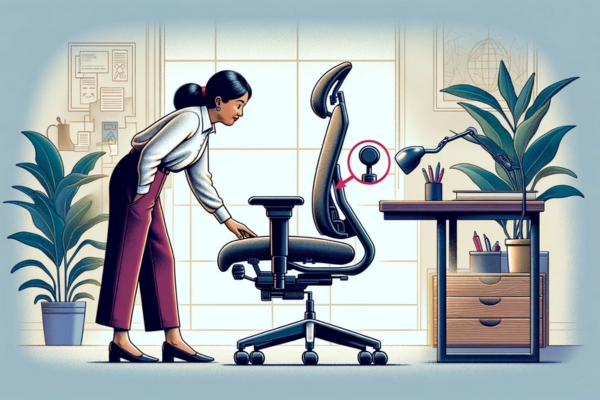
In the world of ergonomic seating, the middle lever of an office chair often remains a mystery. Let’s embark on a detailed exploration to demystify this essential component.
Spotting the Lever: Location and Appearance
The middle lever is typically found right under the seat, easily within arm’s reach. Its design varies across different models of chairs, but it usually presents as a small, protruding handle or a paddle-like switch. This lever is the key to unlocking your chair’s full potential, particularly when it comes to chair height control.
Navigating to the Lever: A Step-by-Step Guide
- Initial Observation: Begin by visually scanning the underside of your chair. The middle lever is often centrally located, distinguishing itself from other controls.
- Tactile Search: If the lever isn’t immediately visible, feel under the seat. Your fingers should easily identify the lever due to its unique shape and positioning.
- Function Test: Gently pull or push the lever to test its function. If the chair moves up or down, you’ve successfully located the middle lever responsible for office chair adjustment.
The Lever in Action: A Real-Life Scenario
Imagine adjusting your chair at the start of a busy workday. You reach under the seat, find the middle lever, and give it a slight tug. Like magic, your chair rises, aligning your eyes with your computer monitor. This simple act, enabled by the correctly identified lever, is a cornerstone of ergonomic seating.
Exploring the Functions of the Middle Lever
The middle lever on an office chair, often overlooked, is a powerhouse of functionality. In this exploration, we’ll dive into its primary functions and see how it stands out from other levers.
The Height Adjustment: Your Comfort Elevator
One of the most notable functions of the middle lever is height adjustment. Imagine you’ve just sat down at your desk. You feel slightly lower than comfortable typing. No problem – with a simple lift of the middle lever, your chair rises, aligning your eyes with your monitor and your arms at the perfect typing height. Similarly, a downward push lowers the seat, ensuring your feet are flat on the ground, an essential aspect of ergonomic office chairs.
Tilt Tension: Finding the Sweet Spot
Now, let’s talk about tilt tension, another crucial function of the middle lever. This feature allows you to adjust the ease of the backrest tilt. Think of a time when you leaned back in your chair, only to feel like you were about to tip over. Tilt tension control eliminates that worry, letting you recline comfortably without losing balance.
Tilt Lock: The Safety Net
The tilt lock is the unsung hero of chair comfort features. Engaging this function locks the backrest in place, preventing unexpected tilting during intense work sessions. It’s like having a safety net, ensuring you stay in your preferred position without any surprises.
Lever Comparison: The Middle Lever’s Unique Role
Compared to other levers on the chair, the middle lever is often the most frequently used, given its role in basic comfort adjustments. While other levers might control specific aspects like lumbar support or armrest height, the middle lever focuses on the fundamental elements of seat adjustment and comfort.
Mastering the Middle Lever: A Guide to Optimal Chair Adjustment

Have you ever felt like Goldilocks in your office chair, trying to find that ‘just right’ spot? The middle lever is your key to unlocking ergonomic seating and a comfortable workspace. Let’s dive into how you can master this tool for the perfect sit.
The Art of Lever Usage: Simple Yet Impactful
The middle lever function may seem straightforward, but it holds the secret to efficient seating. First things first, locate the middle lever, usually found right under your seat. Give it a gentle pull upwards; you’ll feel your chair become a free spirit, moving up or down. Now, the trick is to find your ideal height.
Finding Your Perfect Seat Height
Here’s where the magic of the middle lever truly shines. To achieve optimal chair position, ensure your feet are flat on the ground, with your knees at a comfortable 90-degree angle. Your thighs should be parallel to the floor – not reaching for the skies nor diving down. This position is not just about comfort; it’s about maintaining good posture and avoiding those pesky aches and pains after a long day at work.
A Tip for the Long Haul
Remember, our bodies love a bit of movement. Don’t hesitate to readjust your chair throughout the day. Maybe in the morning, you prefer a lofty perch, but by afternoon, a lower stance feels better. The middle lever is there for your whims. It’s not just a one-time adjustment; it’s your ally in maintaining dynamic, ergonomic seating throughout your workday.
The middle lever is more than just a part of your office chair; it’s a tool for creating a healthier, more productive workspace. By understanding and utilizing the middle lever function, you’re not just adjusting a chair; you’re tailoring your environment to your body’s needs. So go ahead, give that lever a whirl, and find your perfect sitting sweet spot!
The Ergonomic Importance of the Middle Lever
Ever wondered how the middle lever functionality on your office chair affects your health? It’s all about ergonomic seating – the art of working comfortably and safely. Let’s uncover the role of this lever in maintaining good posture and comfort.
Aligning for Comfort and Health
Proper use of the middle lever isn’t just about avoiding that sinking feeling when the chair is too low. It’s about aligning your body correctly with your workstation. Adjusting the height and tilt ensures your feet are flat on the ground, your eyes are level with your computer screen, and your back gets the support it needs. This alignment isn’t just comfortable; it’s crucial in preventing long-term musculoskeletal issues.
A Lever for Life
Remember, your office chair is more than a seat; it’s a tool for health. With each adjustment of the middle lever, think of it as a step towards better posture, more comfort, and a happier, healthier you.
Troubleshooting Common Issues with the Middle Lever
So, what happens when the middle lever on your office chair isn’t working as it should? Let’s dive into some common problems and solutions to keep your chair in tip-top shape.
When the Lever Gets Stubborn
It’s a familiar story: you try to adjust your chair, but the middle lever seems stuck or unresponsive. This is often due to overuse or a lack of maintenance. Regularly cleaning the lever mechanism and checking for obstructions can prevent these issues. And if you find yourself wrestling with the lever, it might be time to lubricate the moving parts.
Knowing When to Call the Pros
Sometimes, DIY fixes just don’t cut it. If your chair’s lever is persistently problematic, it may be time to seek professional help. Remember, a well-functioning lever is key to ergonomic seating, so don’t hesitate to get the assistance you need.
Variations in Middle Levers Across Different Chair Models
Not all office chairs are created equal, and this is especially true for the middle lever. Let’s explore how this crucial component varies across different models.
The World of Chair Levers
In some chairs, the middle lever not only adjusts height but also controls tilt and tension. These multi-functional levers offer a more customized seating experience. On the other hand, some ergonomic models feature a simplified lever design for intuitive use, focusing solely on height adjustment.
Innovation in Seating
As office chairs evolve, we see innovative designs that redefine the middle lever. Some models feature levers that are more user-friendly, with ergonomic handles or automated adjustment features. These developments not only enhance comfort but also add a touch of sophistication to your workspace.
Conclusion: The Essential Role of the Middle Lever in Office Chairs
In our exploration of office chair mechanics, we’ve delved deep into the function and significance of the middle lever. This seemingly simple component is pivotal in enhancing our daily comfort and ergonomic health at the workplace.
Beyond Basic Adjustments
The middle lever does more than just raise or lower your chair. It plays a crucial role in ensuring ergonomic seating, which in turn, has a profound impact on our posture, comfort, and overall well-being while working. Proper use of this lever allows for personalization of our workspace, enabling us to align our chairs with our unique physical needs and desk setups.
A Key to Ergonomic Well-Being
Understanding and effectively using the middle lever is not just about finding a comfortable seating position. It’s about fostering a work environment that supports our health and productivity. This lever is a tool that empowers us to minimize physical strain and maximize comfort, making it a vital aspect of office ergonomics.
In conclusion, the next time you adjust the middle lever on your office chair, remember its importance. It’s a small action that makes a significant difference. By fine-tuning our chair’s position, we’re not just enhancing our comfort; we’re actively contributing to our ergonomic health and well-being in the workplace.
Frequently Asked Questions
What Does the Twisty Thing on an Office Chair Do?
The twisty thing, often a knob or dial under the chair, adjusts the tension of the backrest. It controls how easily the back tilts when you lean against it, allowing for a more personalized comfort level.
What Are the Two Levers on an Office Chair?
The two levers on an office chair typically include one for adjusting the seat height and another for modifying the backrest angle. These levers help customize the chair for ergonomic comfort and support.
What is a Center Tilt Mechanism on a Chair?
A center tilt mechanism in a chair allows the seat and backrest to tilt simultaneously from a central pivot point. This feature offers a more natural reclining motion, enhancing overall comfort during leaning and stretching.
What is a Seat Slider on an Office Chair?
A seat slider on an office chair is a feature that allows the seat to move forward or backwards. This adjustment helps accommodate different leg lengths, ensuring proper thigh support and reduced pressure behind the knees.
Important Articles:
How To Raise Office Chair, Without Lever
how to fix the office chair lever
how to raise and lower an office chair with a lever

Julie D. Williams is a seasoned chair connoisseur with a decade in the furniture realm. She combines her keen eye for design and deep knowledge of ergonomics to provide readers with reviews and guides, ensuring comfort and style in every recommendation. Each piece is a fusion of aesthetics and function, tested and approved by Julie. A believer in the power of the perfect seat to transform spaces, she’s your go-to source for impeccable finds. When not reviewing chairs, Julie is on the hunt for vintage décor, weaving comfort and beauty into every aspect of life.