

Is your office chair feeling more like a seesaw than a seat lately? Fear not, as we embark on a mission to revive your work throne with the ultimate guide on “How to Fix Office Chair Lever”!
We’ve all experienced the frustration of a misbehaving lever, causing unexpected falls or awkward desk adjustments. In this guide, we’ll unravel the mysteries of the office chair lever, offering simple yet effective solutions to bring it back to its former glory. Imagine sitting in a chair that’s the perfect height with grace and ease.
From the classic jiggle to the lubrication liberation, we’ll explore the steps to troubleshoot and triumph over the quirks of your office chair lever, ensuring a smooth and comfortable ride as you conquer the challenges of your workday. Say goodbye to the sinking feeling and hello to a revitalized and functional office throne!
What is a lever on a chair?
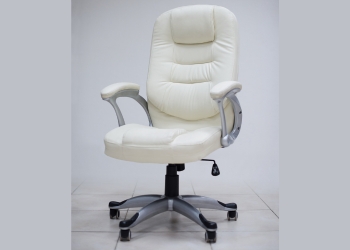
A lever on a chair is a mechanical component that is part of the chair’s height adjustment mechanism. Normally the lever is connected to a pneumatic cylinder filled with compressed air, allowing users to control the chair’s height.
When users engage the lever, it initiates the controlled release or intake of air, enabling them to effortlessly raise or lower the chair to their preferred height. This enables individuals to raise or lower the chair to a comfortable position, promoting ergonomic seating.
The lever’s role extends beyond mere functionality, playing a crucial part in promoting good posture and reducing physical strain during extended periods of sitting, thereby contributing to a more comfortable and productive work environment.
Understanding the Mechanics

Fixing the office chair lever involves understanding its mechanism and addressing potential issues. The office chair lever is typically part of a pneumatic height adjustment system.
The pneumatic cylinder in an office chair serves as the powerhouse for height adjustment, employing a simple yet effective mechanism. Filled with compressed air, the cylinder is typically placed within the chair’s column or stem.
When a user engages the office chair lever, it triggers the controlled release or intake of this compressed air. Releasing air from the cylinder lowers the chair while allowing air to enter raises it. The key to this system lies in the principle of pneumatics, where the movement of air generates the desired adjustments in chair height.
This mechanism ensures a smooth and effortless process for users, enabling them to customize their seating position to achieve optimal ergonomic comfort. Additionally, the pneumatic cylinder often integrates a locking mechanism to secure the chair at the desired height, providing stability during use.
Importance of proper adjustment for posture and comfort
Proper adjustment of chair height is very important for maintaining good posture and ensuring optimum comfort during extended periods of sitting. When we adjust the chair correctly, it allows us to align our bodies in a way that promotes a natural and healthy posture.
The ideal chair height ensures that feet rest flat on the floor, knees form a 90-degree angle, the spine remains in a neutral position and the eyes meet the computer screen at eye level, it promotes a natural and aligned body position. This posture helps to reduce strain on the lower back, neck, and shoulders, preventing discomfort and long-term health issues.
Moreover, a well-adjusted chair enhances overall comfort, contributing to increased focus and productivity. By prioritizing proper chair height, individuals can create a supportive ergonomic environment that not only safeguards their physical well-being but also positively impacts their work performance and daily comfort.
Understanding the Problem

Understanding the problems that can occur with an office chair lever is crucial for effective troubleshooting and maintenance. Identifying and addressing these problems promptly ensures a functional and comfortable office chair lever, contributing to a better overall seating experience. Regular maintenance can also prevent these issues from arising in the first place. Common problems include:
Sinking Chair
A gradual decline in chair height indicates potential air leakage in the pneumatic cylinder, leading to an inability to maintain the chair’s height.
Stiff or Unresponsive Lever
The lever may become difficult to engage or unresponsive, making it challenging to adjust the chair’s height smoothly. This can result from mechanical wear, debris, or lack of lubrication.
Wobbling or Instability
Loose connections, bolts, or a damaged mechanism can lead to a wobbly chair, compromising stability and user safety.
Lever Stuck in Position
The lever might get stuck in the raised or lowered position, preventing further adjustments. This issue may stem from a malfunction in the height adjustment mechanism.
Noise During Adjustment
Unusual sounds, such as squeaking or grinding, during height adjustments may suggest friction or mechanical issues within the lever mechanism.
Lack of Locking
If the chair fails to lock in the adjusted position, it can lead to an unstable seating experience, posing a risk of sudden height changes.
Visible Wear and Tear
Visual inspection may reveal signs of wear and tear, such as damaged or worn-out components, which can affect the overall performance of the lever.
Materials needed

To fix an office chair lever, you may need the following materials:
Silicone-Based Lubricant: Lubricant helps reduce friction in moving parts, ensuring smooth operation. Choose a silicone-based lubricant for optimal performance.
Soap and Water Solution: To identify air leaks, mix soap and water to create a solution. This solution can be sprayed on the pneumatic cylinder joints to detect bubbles, indicating leaks.
Screwdriver: A screwdriver is essential for tightening screws and bolts that may be causing wobbling or instability.
Pliers: Pliers can be useful for various tasks, such as gripping and turning components during repairs.
Replacement Parts (if needed): Depending on the identified issue, you might need replacement parts such as a new pneumatic cylinder, locking mechanism, or other damaged components.
Cleaning Cloth: A clean cloth is handy for wiping down components and removing any debris that may be affecting the lever’s operation.
Marker or Pen: To mark spots where air leaks are detected during the inspection process.
Wrench (if needed): In case your chair has bolts that require a wrench for tightening.
Safety Gear: Depending on the nature of the repair, it might be a good idea to wear safety gear such as gloves to protect your hands.
How to Fix Office Chair Lever- Repair Process

Inspect for Air Leaks
Unveil the mystery behind a sinking chair by applying a soap and water solution to the pneumatic cylinder joints. Bubbles surfacing from these joints act as breadcrumbs, guiding you to the precise spots that demand your attention and repair. Mark bubbles to identify leak locations. Apply sealant or replace damaged components to restore pneumatic cylinder integrity.
Lubricate Moving Parts
Transform the stiffness of an unresponsive lever into fluidity by generously applying a silicone-based lubricant to the moving parts within the lever mechanism and pneumatic cylinder. Smooth operation is the key to unlocking an optimally adjustable chair. Ensure smooth operation and responsiveness. Engage the lever to confirm newfound fluidity.
Tighten Connections
Stability reigns supreme. With a trusty screwdriver or wrench in hand, tighten the chair’s visible screws, bolts, and connections. This simple act fortifies the chair’s foundation, banishing wobbling and enhancing overall structural integrity. Replace any visibly worn or damaged components to prevent future issues.
Check the Locking Mechanism
Unlock the potential of a secure seating experience by meticulously examining the locking mechanism. Clear away any debris that may be obstructing its function and introduce a dose of lubrication, ensuring a firm and reliable lock with each adjustment.
Examine Internal Components
Peel back the chair’s layers to unveil the mysteries within. Visibly worn or damaged internal components, be it the pneumatic cylinder or locking mechanism, demand replacement to restore the chair’s inner harmony and functionality.
Test the Repair
The true litmus test lies in action. Engage the lever post-repair, adapting the controlled height adjustments. Confirm the chair’s newfound stability at your desired height, solidifying the effectiveness of your repair efforts and ensuring a seamless seating experience. Test for smooth and controlled height adjustments. Ensure the chair remains stable at the desired height post-repair.
Consider Professional Help
If the issue persists or if the repair seems complex, consider seeking assistance from a professional chair repair service. They can diagnose and address specific problems with precision.
Preventive Maintenance
To avoid future issues, implement a preventive maintenance routine. Regularly clean and lubricate moving parts, and inspect the chair for wear and tear. Conduct periodic inspections, addressing wear and tear to maintain a chair that stands the test of time.
Prolonging the Longevity of Your Office Chair Lever

Maintaining the longevity of your office chair lever involves adopting proactive measures that prevent wear and tear while ensuring smooth functionality. Here are essential tips to extend the lifespan of your office chair lever:
Regular Cleaning: Periodically wipe down the lever and surrounding components to remove dust, debris, and potential contaminants. This prevents the build-up of substances that could hinder smooth movement.
Lubrication Routine: Implement a scheduled lubrication routine for the moving parts of the lever and the pneumatic cylinder. Applying a silicone-based lubricant ensures optimal performance and reduces friction, contributing to a longer lifespan.
Gentle Operation: Engage the lever gently and avoid applying excessive force. Gentle operation minimizes stress on internal components, preventing early wear and tear.
Adjust Properly: Ensure adjusting the chair to the preferred height within the recommended range. Avoid exceeding the chair’s specified weight limit, as this can strain the lever mechanism.
Check for Loose Connections: Periodically inspect visible screws, bolts, and connections. Tighten any loose components to maintain stability and prevent wobbling, contributing to the overall health of the lever.
Conduct Preventive Inspections: Regularly inspect the lever, pneumatic cylinder, and locking mechanism for any signs of wear or damage. Early detection allows for timely repairs or replacements, preventing minor issues from exceeding.
Avoid Excessive Weight: Don’t use the chair as a stepping stool or place any excessive weight on the lever. Excessive pressure can lead to early wear of internal components, reducing the lever’s lifespan.
Stabilize Workspace: Ensure that the chair is placed on a stable and level surface. Unstable flooring or uneven surfaces can contribute to additional stress on the lever mechanism, affecting its longevity.
Essential Factors to Consider When Choosing an Office Chair

Selecting the right office chair goes beyond aesthetics. Here are some important factors to consider for a chair that promotes comfort, productivity, and overall well-being:
Ergonomic Design: Choose a chair with ergonomic features that support the natural curve of the spine. Look for adjustable lumbar support, seat depth, and height to enhance comfort during extended periods of sitting.
Adjustability: Ensure the chair is easily adjustable to accommodate various body types and preferences. Look for adjustable height, armrests, and recline options to personalize the chair to individual needs.
Material and Upholstery: Consider the material and upholstery for durability and breathability. Mesh fabric provides ventilation, while high-quality leather or fabric should be chosen for both comfort and longevity.
Lumbar Support: Adequate lumbar support is crucial for maintaining proper posture. Look for chairs with built-in lumbar support or the option to adjust it to suit individual preferences.
Armrests: Adjustable armrests contribute to overall comfort. They should allow for natural arm positioning, supporting the shoulders and reducing strain on the neck and upper back.
Swivel Functionality: Choose a chair that allows for easy swiveling. This feature facilitates effortless movement and access to various areas of your workspace. Consider the flooring material to ensure the casters are suitable and won’t cause damage.
Weight Capacity: Check the chair’s weight capacity to ensure it accommodates you. Choosing a chair with a higher weight capacity typically indicates sturdier construction.
Style and Aesthetics: While comfort is important, the chair’s style and aesthetics should complement the overall office decor. Select a chair that aligns with your workspace’s design while prioritizing functionality.
Price and Budget: Establish a budget range for your office chair. While it’s an investment in comfort and productivity, finding a balance between quality and cost is essential.
Conclusion
Fixing an office chair lever involves a systematic approach that addresses specific issues, ensuring the chair’s optimal functionality and longevity.
From identifying problems like sinking or stiffness to implementing practical solutions such as inspecting for air leaks, lubricating moving parts, and tightening connections, the repair process aims for a seamless user experience. Regular maintenance and gentle operation contribute to preventing future issues.
By following these steps, individuals can transform a malfunctioning office chair lever into a smoothly operating component, enhancing both comfort and productivity in the workplace.
Frequently Asked Questions
Why does my office chair lever make a squeaking noise during adjustments?
Squeaking noises can occur due to friction between moving parts. To address this, apply a silicone-based lubricant to the lever mechanism and pneumatic cylinder. This reduces friction, ensuring smoother and quieter adjustments.
What should I do if my chair leans to one side after fixing the lever?
Uneven leaning may indicate an issue with the chair’s base or casters. Check for loose screws, bolts, or damaged components. Tighten connections and, if necessary, replace any compromised parts to restore balance and stability.
Can I use any lubricant to fix a stiff office chair lever?
Yes, It is recommended to use a silicone-based lubricant. Avoid oil-based products as they can attract dust and debris, potentially worsening the issue. Apply the lubricant to the moving parts of the lever and pneumatic cylinder for optimal results.
Is it normal for the chair to slightly sink over time even after fixing the lever?
A gradual sinking chair may indicate ongoing air leaks in the pneumatic cylinder. Revisit the soap and water solution test to identify the leaks, and then seal or replace the damaged components to prevent further sinking.
Can I fix a wobbly office chair without professional help?
Yes, you can address chair wobbling by tightening visible screws and connections using a screwdriver or wrench. Ensure all components are securely fastened. If the issue persists, consider seeking professional assistance to diagnose and address the problem accurately.

Julie D. Williams is a seasoned chair connoisseur with a decade in the furniture realm. She combines her keen eye for design and deep knowledge of ergonomics to provide readers with reviews and guides, ensuring comfort and style in every recommendation. Each piece is a fusion of aesthetics and function, tested and approved by Julie. A believer in the power of the perfect seat to transform spaces, she’s your go-to source for impeccable finds. When not reviewing chairs, Julie is on the hunt for vintage décor, weaving comfort and beauty into every aspect of life.