

How to Protect Wood Floor from Rolling Office Chair: It’s the age-old battle between your beloved shiny wood floor and that pesky office chair that seems to have a personal vendetta against it. Imagine your floor as the dance floor and your chair as the overenthusiastic dancer who doesn’t know when to stop – it’s a recipe for scratches, dents, and a whole lot of character on your once pristine floor.
Fear not, as this article is your knight in shining armour, ready to arm you with clever tips and tricks to shield your floor from the rolling menace and keep the peace in your workspace.
Understanding the Impact of Office Chairs on Wood Floors
When it comes to the topic of how to protect wood floors from rolling office chairs, it’s vital to first understand the dynamics at play. Rolling office chairs, while a boon for mobility and comfort, can be less than friendly to your elegant wood floors. The continuous back-and-forth motion, akin to a gentle but persistent tide against a shoreline, can lead to various types of wear and tear.
The Nature of Damage: Scratches, Dents, and Scuffs
Let’s dive into the types of damage your wooden floor might endure. Picture this: a regular day at your desk, moving around in your chair. This seemingly harmless motion can leave behind scratches, dents, and scuffs – the telltale signs of a floor bearing the brunt of a rolling chair’s enthusiasm. Scratches, the most common culprit, are like autographs signed by the chair’s casters on your floor. Dents, on the other hand, are deeper, more like memories etched into the wood, especially if the chair is heavy or if it’s used with a bit of gusto. And then there are scuffs, the superficial but noticeable marks that are like the footprints of a day’s work.
Influencing Factors: Wood Type, Chair Material, and Usage Frequency
But not all wood floors and office chairs are created equal in this dance of durability. The type of wood your floor is made of plays a starring role. Softer woods, like pine, tend to surrender to damage more easily than their harder counterparts, such as oak. Then there’s the chair itself – its material, the design of its casters, and even the weight it carries, all contribute to how much it’ll impact the floor.
Finally, consider how often you use the chair. The more frequent the use, the higher the chances of your floor showing signs of wear. It’s a bit like a well-loved cookbook, the more it’s used, the more it tells a story – but in the case of your floor, you might prefer to keep some of those chapters untold.
In the next sections, we’ll explore how to mitigate these issues and ensure your wood floors remain as pristine as the day they were laid. Stay tuned as we delve deeper into practical and creative solutions to protect your wood floor from the rolling office chair’s loving embrace.
Preventative Measures
In the quest to understand how to protect wood floors from rolling office chairs, it’s essential to focus on preventative measures. These strategies are the first line of defence in maintaining the integrity and beauty of your wood floors. Let’s break down these measures into actionable steps.
Regular Floor Maintenance
Keeping Floors Clean
A clean floor is not just about aesthetics; it’s crucial for its longevity, especially when dealing with rolling office chairs. Dirt and grit can act like sandpaper under your chair’s casters, gradually wearing away at the wood’s finish. To prevent this, regular sweeping, vacuuming, or using a dust mop can be incredibly effective. This simple routine removes the abrasive particles and reduces the risk of scratches and scuffs from daily chair movements.
Recommended Cleaning Methods and Products
When it comes to cleaning wood floors, gentle is the name of the game. Harsh chemicals or overly wet mops can damage the wood. Instead, opt for pH-neutral, wood-friendly cleaners. Use a lightly dampened mop or cloth to avoid excessive moisture, which can lead to warping or staining. A microfiber mop can be particularly effective for trapping dirt without scratching the surface.
Proper Chair Selection
Choosing Chairs with Floor-Friendly Casters
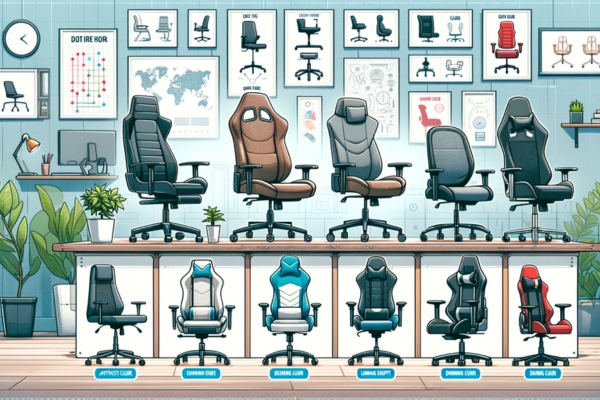
Not all office chairs are created equal, especially regarding their impact on wood floors. Chairs with rubberized or soft polyurethane casters are typically more wood-floor friendly than their plastic or metal counterparts. These softer materials provide a cushion between the chair and the floor, distributing the weight more evenly and reducing the risk of dents and scratches.
Materials and Designs That Minimize Damage
When selecting a chair, consider its overall design and the materials used. Chairs with a wider base and more casters can distribute weight more evenly. Additionally, look for chairs that offer adjustable height settings. This feature not only enhances ergonomic benefits but also minimizes the risk of the chair being dragged across the floor, which can cause damage.
Using Chair Mats
Types of Chair Mats Suitable for Wood Floors
Chair mats are a popular solution for protecting wood floors. When selecting a mat, ensure it’s designed specifically for wood floors. Some mats come with a non-slip, non-marking underside to keep the mat in place without damaging the floor. Materials like polycarbonate are durable and transparent, allowing the beauty of your wood floor to shine through.
Pros and Cons of Using Chair Mats
While chair mats are effective, they also come with drawbacks. On the plus side, they offer a physical barrier between the chair and the floor, significantly reducing the risk of damage. However, they can detract from the aesthetic of your wood floor and may require regular cleaning underneath to prevent trapped dirt from scratching the floor.
Floor Protectors and Pads
Types of Floor Protectors Available for Chair Legs
For additional protection, consider using floor protectors and pads on chair legs. These products range from simple adhesive felt pads to more sophisticated silicone or rubber caps that fit over the chair legs. They not only protect the floor from scratches but also reduce noise when the chair is moved.
How to Select and Apply Them Correctly
Choosing the right size and type of floor protector is crucial for effective protection. Make sure the protector fits snugly on the chair leg and doesn’t slip off during movement. Regularly check and replace these protectors as they can wear down or accumulate dirt over time, potentially causing more harm than good.
DIY Solutions for Floor Protection
Delving deeper into how to protect wood floors from rolling office chairs, let’s explore the realm of do-it-yourself solutions. These methods are not just cost-effective but also allow for a touch of personal creativity in safeguarding your floors.
Homemade Padding Options
One of the simplest ways to prevent damage is by creating homemade pads for your chair’s casters or legs. Materials like thick felt, cut to size and glued to the bottom of the chair legs, can be a quick fix. For those who are more craft-inclined, crocheting or knitting small caps to fit over the ends of the chair legs can add a unique, homey touch to your office space.
Creative and Cost-Effective DIY Methods
Thinking outside the box can lead to innovative solutions. For instance, using old, soft t-shirts or towels can be repurposed into protective layers. Secure them around the chair legs or casters with rubber bands or string. These materials provide a soft cushion and can be easily washed or replaced when worn out.
Safety and Practicality Considerations
When implementing DIY solutions, safety and practicality should not be overlooked. Ensure that any added materials do not impede the chair’s functionality or become a tripping hazard. Also, regular checks are necessary to ensure the materials remain securely in place and are not causing any unforeseen damage to the floor.
Repair and Restoration
Even with the best preventive measures, sometimes damage to wood floors is inevitable. Let’s discuss how to address this when it occurs.
Identifying the Extent of Damage
The first step in any repair process is assessing the extent of the damage. Light scratches might only affect the floor’s finish, whereas deeper scratches and dents could penetrate the wood. Understanding the severity of the damage helps in determining the appropriate repair method.
DIY Repair Tips for Minor Scratches and Dents
For minor scratches, a simple DIY solution could be using a wood stain marker or a blending pencil that matches the floor colour. Gently apply it over the scratch and then buff the area with a soft cloth. For small dents, a method known as steam ironing can be used. Place a damp cloth over the dent and carefully apply a hot iron over the cloth for a few seconds. This can cause the wood to swell and reduce the appearance of the dent.
When to Seek Professional Help for Floor Restoration
When the damage is extensive or if the DIY methods do not yield satisfactory results, it may be time to call in the professionals. Floor restoration experts can assess the damage and undertake more advanced repairs like sanding and refinishing, ensuring your wood floor returns to its former glory.
Remember, the key to how to protect the wood floor from rolling office chairs is not just about preventing damage but also knowing how to address it when it happens. With these tips and tricks, you can maintain the beauty and longevity of your wood floors, even in the busiest of office environments.
Long-Term Care and Maintenance
When considering how to protect wood floors from rolling office chairs, it’s essential to think about long-term care and maintenance. Keeping your wood floors in top shape goes beyond immediate protective measures; it’s about a commitment to ongoing upkeep.
Routine Practices for Maintaining Wood Floor Integrity
Regular maintenance is key. This includes daily sweeping or vacuuming to remove dust and grit that can scratch the floor. Weekly cleaning with a suitable wood floor cleaner keeps the surface shiny and removes any build-up. Be cautious about the amount of water used – a damp mop is often sufficient as excessive water can damage wood floors.
Periodic Professional Maintenance Recommendations
Every few years, it might be wise to consider professional maintenance. This can include deep cleaning, buffing, or even refinishing the floors. Professionals can also check for any early signs of damage and address them before they become significant issues. This periodic investment helps in preserving the floor’s aesthetics and durability for years to come.
Impact of Environment (Humidity, Temperature) on Wood Floors
Environmental factors like humidity and temperature play a crucial role in the health of wood floors. Wood expands and contracts with changes in humidity and temperature. Maintaining a consistent indoor environment can prevent warping and cracking. Use a dehumidifier during damp conditions and a humidifier in dry conditions to keep these levels stable.
Innovative Products and Solutions
In our journey to discover how to protect wood floors from rolling office chairs, it’s exciting to explore innovative products and solutions entering the market.
Overview of New Market Products Designed for Floor Protection
The market is continually evolving, with new products designed to protect wood floors from the wear and tear of office chairs. These include advanced chair mats made from materials that are not only protective but also eco-friendly, and casters designed to be gentle on floors while providing excellent mobility.
Emerging Technologies in Office Furniture and Floor Care
Technological advancements are not left behind in the realm of floor protection. We’re seeing the emergence of smart furniture, which includes office chairs with sensors to warn when they’re causing too much pressure or damage to the floor. There are also developments in floor finishes, with some offering enhanced resistance to scratches and dents, tailored specifically for environments with rolling office chairs.
Understanding how to protect wood floors from rolling office chairs involves a mix of preventative measures, routine care, and staying abreast of innovative solutions. By adopting these practices, your wood floors can remain a stunning foundation in your office space for years to come.
Conclusion
In the grand dance of office life, your wood floors don’t have to be the damsel in distress under the rolling wheels of your office chair. With a sprinkle of preventive measures, a dash of regular maintenance, and a pinch of innovative solutions, you can keep your floors as smooth and unscathed as a ballroom floor after a waltz. So, let’s roll into action and ensure our beloved floors aren’t telling tales of woeful scratches and scuffs, but rather shining in their silent, steadfast beauty.
FAQs on Protecting Hardwood Floors from Rolling Chairs
How do I protect my hardwood floors from rolling chairs?
To protect hardwood floors, use floor mats or rugs under rolling chairs. Additionally, consider fitting chair legs with soft rubber casters or felt pads to minimize scratches and dents. Regular cleaning and maintenance of both the floor and chair wheels also help prevent damage.
How do I keep my office chair from sliding on the wooden floor?
To prevent an office chair from sliding, use a non-slip mat or rug under the chair. Alternatively, replace the chair’s standard casters with rubber or polyurethane wheels, which offer better grip and reduce sliding on wooden floors.
How do I stop my office chair wheels from scratching the floor?
Prevent scratches by replacing hard plastic or metal chair wheels with softer rubber or polyurethane casters. Regularly clean the wheels to remove debris that can scratch the floor, and use a protective mat or rug under the chair.
How do you keep folding chairs from scratching wood floors?
Use felt pads or rubber tips on the legs of folding chairs to prevent scratches on wood floors. Ensure the pads or tips are in good condition and replace them periodically to maintain protection. A mat or rug can also offer additional protection.
Will rolling chairs damage wood floors?
Yes, rolling chairs can damage wood floors, causing scratches, dents, and wear over time. This damage can be minimized by using protective mats, using chairs with softer wheel materials, and placing felt pads under chair legs.
What is the best flooring for rolling office chairs?
The best flooring for rolling office chairs is one that’s durable and scratch-resistant, like high-quality laminate, vinyl, or bamboo. These materials can withstand the wear and tear of rolling chairs better than traditional hardwood.
Important links:
How to Stop Office Chair from Rolling
how to make office chair roll better
how to make office chair roll on carpet

Julie D. Williams is a seasoned chair connoisseur with a decade in the furniture realm. She combines her keen eye for design and deep knowledge of ergonomics to provide readers with reviews and guides, ensuring comfort and style in every recommendation. Each piece is a fusion of aesthetics and function, tested and approved by Julie. A believer in the power of the perfect seat to transform spaces, she’s your go-to source for impeccable finds. When not reviewing chairs, Julie is on the hunt for vintage décor, weaving comfort and beauty into every aspect of life.