
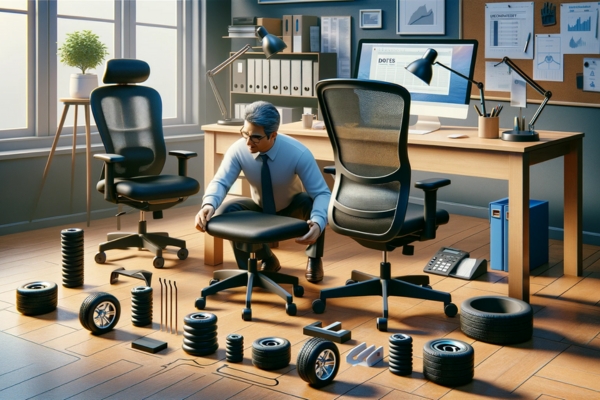
Have you ever found yourself unintentionally embarking on a mini-adventure across your office, thanks to your relentlessly rolling chair? The struggle of taming a free-spirited office chair can be both comical and frustrating, especially when you’re trying to focus.
In this handy guide, we’ll explore some nifty tricks and solutions to anchor your wandering throne, turning it from a rogue roller into a steadfast companion. From DIY hacks to clever gadgets, we’ll cover all the bases to ensure your chair stays put – unless you decide otherwise!
Understanding Your Office Chair
When we talk about “How to Stop Office Chair from Rolling,” it’s crucial to start at the very beginning – understanding the chair itself. Office chairs come in a variety of styles, each with its unique rolling mechanism. Some are designed for easy gliding across office floors, while others might have a more restricted movement.
The casters, or the wheels on your chair, play a significant role in its mobility. They determine how smoothly your chair moves and how you can control it. It’s fascinating to consider how these small wheels can impact your daily work life.
However, not all chair rolling is intentional. Sometimes, it’s a design feature and other times, it might be a fault. Identifying this difference is key to finding the right solution to stop your chair from undesired rolling.
Simple Fixes Without Equipment
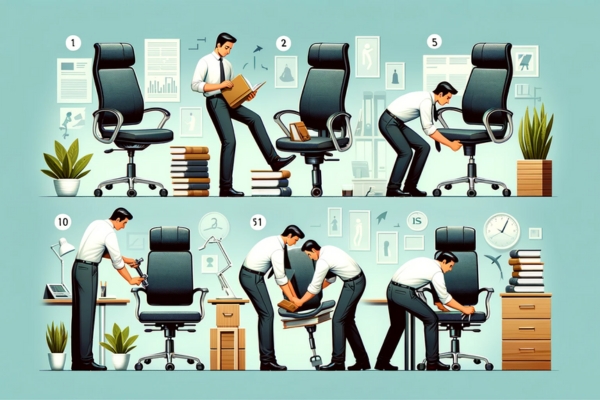
“Stopping an office chair from rolling doesn’t always require a trip to the hardware store. Sometimes, the simplest solutions are right under our noses. For instance, positioning your chair against a wall or beside heavy furniture can effectively curb its wanderlust.
Another easily overlooked solution is the use of floor mats or carpets. These can significantly reduce your chair’s tendency to roll, adding friction to an otherwise slick office floor. Plus, they add a touch of cosiness to your workspace.
Lastly, did you know that some chairs come with adjustable tension in the wheels? This feature allows you to control the ease of rolling, making it an excellent tool for keeping your chair in place when needed.
Using Chair Stoppers
Now, let’s delve into a more specialized solution: chair stoppers. These handy devices are specifically designed to ‘How to Stop Office Chair from Rolling.’ Available in various forms, chair stoppers can be an elegant and effective solution to this rolling dilemma.
Installation is usually straightforward, but it varies depending on the type of stopper. Some require clipping onto the wheels, while others might need to be placed under the chair’s legs. Whichever type you choose, the process is generally quick and doesn’t require professional help.
However, it’s important to weigh the pros and cons of using chair stoppers. They are great at halting movement, but they might also restrict the chair’s functionality. It’s a trade-off between mobility and stability that needs careful consideration.
DIY Solutions
Let’s dive into the world of DIY, where creativity meets functionality. To stop your office chair from rolling, one can delve into crafting homemade stoppers. Picture this: you, in your garage, turning pieces of wood or rubber into custom-fit chair stoppers. It’s not just a solution; it’s a weekend project that adds a personal touch to your office space.
But if you’re looking for something quicker and less labour-intensive, consider this: grab a towel or some old clothes and wedge them under the chair’s wheels. It’s a temporary fix, sure, but it’s also surprisingly effective. This approach is perfect for those moments when you need to stop the chair from rolling right away, maybe during a video call or while you’re deeply focused on a task.
Replacing or Modifying Chair Casters
Moving on, let’s talk about the heart of the matter: the casters. These little wheels can make or break your chair’s rolling tendencies. There’s a whole universe of casters out there, each designed for different types of flooring and chair models.
But how do you replace them? Here’s a step-by-step guide that demystifies the process. First, you’ll need to tip your chair over (safely, of course) and remove the existing casters. This usually involves either a push-and-pull technique or unscrewing them. Then, it’s just a matter of popping or screwing in the new casters.
When choosing casters, consider your floor type. Hardwood floors? Soft rubber casters might be your best bet. Carpets? Harder casters are likely more effective. It’s all about finding the right match for your specific situation.
Safety Considerations
Now, let’s talk safety. When you’re modifying your office chair, stability and safety should be top of mind. Ensure that any changes you make don’t compromise the chair’s structure. The last thing you want is a DIY solution that leads to an unexpected tumble during a meeting.
Also, be mindful of your floor. Scratches and scuffs can be a real bummer, especially if you’re dealing with delicate surfaces like hardwood or linoleum. Whatever solution you choose, make sure it’s as kind to your floor as it is effective at stopping your chair from taking unintended journeys.
Alternative Seating Options
When pondering over how to stop an office chair from rolling, sometimes the simplest solution lies in considering alternative seating options. The world of non-rolling chairs offers a plethora of designs – think stationary chairs with robust, unyielding legs. These chairs provide a steadfast seating solution, particularly beneficial in environments where stability is key, such as in studios or labs where precision work takes place.
The benefits of stationary chairs in certain office setups are manifold. They eliminate the risk of unwanted movement, ensure consistent ergonomic support, and can even add a unique aesthetic to your workspace. For those who crave stability over mobility, these chairs are a game-changer.
Maintenance Tips
Maintaining your office chair is critical in ensuring it remains stationary when you need it to be. Regular maintenance isn’t just about tightening a screw here or there; it involves a thorough check of all moving parts. This routine can prolong the life of your chair and maintain its functionality.
But when do you call in the experts? Knowing when to seek professional help for chair repairs is vital. If you notice persistent issues with your chair’s mobility control or if DIY fixes aren’t holding up, it might be time to consult a professional. They can offer durable solutions and even tips to enhance your chair’s performance.
Conclusion
In conclusion, stopping your office chair from rolling involves a blend of creative DIY solutions, the right choice of equipment like chair stoppers or alternative seating options, and regular maintenance for lasting effectiveness.
Each approach, whether it’s adjusting chair casters, employing homemade stoppers, or opting for non-rolling chair alternatives, offers unique benefits tailored to individual needs and office environments. Ultimately, ensuring a stationary chair not only enhances workplace safety and efficiency but also transforms your office space into a stable and productive haven.
FAQs
How do I keep my office chair from rolling away?
To prevent your office chair from rolling away, you can use chair stoppers or wedges under the wheels. Alternatively, place a mat or rug beneath the chair for increased friction or adjust the tension on the wheels if your chair model allows it.
How do you lock a rolling office chair?
Most rolling office chairs come with a tilt tension knob which can be tightened to reduce rolling. If your chair has a locking mechanism on the wheels, engage this feature. For chairs without built-in locks, aftermarket wheel locks or stoppers can be installed.
How do you lock an office chair?
To lock an office chair, engage the tilt lock mechanism usually found under the seat. This prevents the chair from tilting backwards. For locking the wheels, use the wheel lock if available, or install external chair wheel locks for stability.
How do I keep my office chair from sliding down?
To prevent an office chair from sliding down, first check and tighten the tension knob under the seat. If the chair uses a gas cylinder and continues to sink, it might need replacing. For temporary fixes, a hose clamp around the cylinder can help.
Should I lock my office chair?
Locking your office chair is advisable when you require stability, especially during tasks that need a steady seating position. However, unlocking it is beneficial for mobility and flexibility during regular office tasks. Adjust based on your activity needs.
How do I keep my chair from rolling on the wood floor?
To keep a chair from rolling on a wood floor, use rubber caster cups or soft rubber wheels that provide grip and prevent scratches. Alternatively, place a mat under the chair. Ensure the wheels or mat material is suitable for wood floors to avoid damage.
Important Articles:
how to make office chair roll better

Julie D. Williams is a seasoned chair connoisseur with a decade in the furniture realm. She combines her keen eye for design and deep knowledge of ergonomics to provide readers with reviews and guides, ensuring comfort and style in every recommendation. Each piece is a fusion of aesthetics and function, tested and approved by Julie. A believer in the power of the perfect seat to transform spaces, she’s your go-to source for impeccable finds. When not reviewing chairs, Julie is on the hunt for vintage décor, weaving comfort and beauty into every aspect of life.