
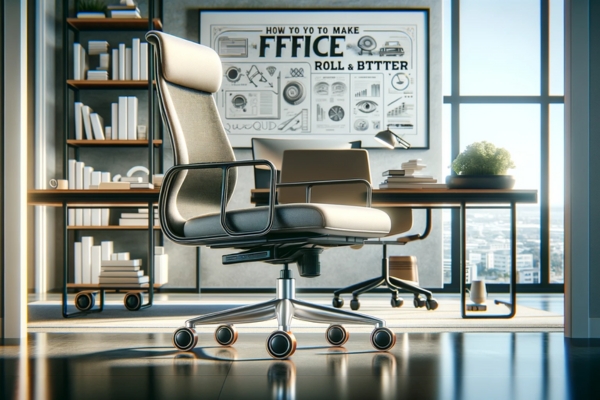
Ever felt like you’re competing in the ‘Office Chair Grand Prix’ every time you try to glide across the room? You’re not alone. ‘How to make office chair roll better‘ is a common cry for help echoing through the halls of many workplaces. Imagine smoothly cruising to the printer without a hitch – that’s the dream we’re here to achieve.
This article is your pit-stop guide, offering slick tips and tricks to turbocharge your chair’s mobility. From conquering pesky carpet drag to banishing bothersome wheel gunk, we’re rolling out the secrets to transform your sluggish seat into a smooth-rolling throne. Buckle up, because you’re about to make those swivel races a thing of the past!
Understanding the Mechanics of an Office Chair
When it comes to figuring out how to make an office chair roll better, it’s crucial to start at the very foundation: understanding the mechanics of an office chair. Think of it as a mini-vehicle; each part plays a vital role in its mobility. The stars of the show are the casters, the wheelbase, and the swivel mechanism. These components are the unsung heroes that enable you to glide effortlessly from your desk to the printer. The casters act like the wheels of a car, the wheelbase is akin to the chassis, and the swivel mechanism? That’s your steering wheel.
Casters: The Rollers of Your Throne
At the forefront of chair mobility are the casters. These small wheel structures attached at the base of your chair determine not just how smoothly you move, but also the directions you can go. Like choosing the right tires for a car, selecting suitable casters can make a world of difference in your chair’s rolling performance.
The Wheelbase: Your Chair’s Foundation
The wheelbase, the frame upon which the casters are mounted, is equally important. A stable and well-designed wheelbase ensures that the weight is evenly distributed across all casters. This balance is critical for smooth movement and also plays a role in the longevity of your chair’s functionality.
Swivel Mechanism: The Key to Agile Movement
Lastly, the swivel mechanism allows for the seat to rotate on its axis. This part adds to the chair’s versatility, making it easier to reach different areas of your workspace without having to stand up. A well-functioning swivel mechanism is essential for maintaining an agile and responsive chair.
Common Problems that Affect Chair Movement
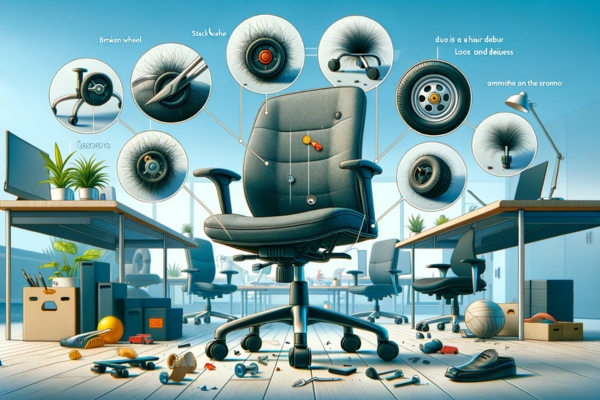
Now, let’s pivot to some common challenges you might face. These are the usual suspects when your office chair feels more like a rickety wagon than a sleek office accessory.
The Troublesome Casters
Stuck or stiff casters are often the primary culprits when your chair refuses to roll smoothly. Misaligned wheels can also throw a wrench in the works, leading to uneven rolling and increased wear and tear.
Dirt and Debris: The Unseen Foes
Accumulated dirt, hair, and other small debris are not just unsightly; they can seriously hinder your chair’s movement. These particles can get lodged in the casters, causing them to stick or even stop rolling entirely.
The Flooring Factor
The type of flooring in your office plays a significant role in how well your chair rolls. Carpet, hardwood, and tile floors each interact differently with your chair’s casters, affecting the ease of movement.
Regular Maintenance Tips
To keep your office chair rolling like a dream, regular maintenance is key. Here’s how you can keep those wheels turning smoothly.
Cleaning and Lubricating Casters
Over time, dust, hair, and other debris can accumulate in the casters, leading to poor movement. Regular cleaning and lubricating of these parts can prevent this buildup and ensure smooth rolling.
Tightening Loose Components
A little wiggle in your chair can be more than just annoying; it can affect the chair’s movement. Regularly checking and tightening any loose bolts or screws can help maintain your chair’s stability and mobility.
Scheduled Maintenance Checks
Like any well-oiled machine, your office chair benefits from regular check-ups. Setting a maintenance schedule ensures you don’t overlook the little things that can lead to bigger problems down the line.
Choosing the Right Casters for Your Floor Type
Just like selecting the right shoes for different terrains, choosing the appropriate casters for your floor type can dramatically improve your chair’s rolling ability.
Casters for Carpet
Carpet can create resistance that makes rolling difficult. Casters designed for carpets have a larger diameter and a harder tread to overcome this resistance.
Hardwood-Friendly Casters
Hardwood floors require casters that won’t leave marks or scratches. These are often softer and have a rubberized edge to protect your beautiful floors.
The Tile Floor Equation
Tile floors can be slippery, so casters for this type of flooring often have a textured tread to improve grip and control.
DIY Solutions for Improving Chair Movement
Let’s dive into the world of DIY solutions to make your office chair roll better. With a bit of elbow grease and some handy tips, you can turn your chair into the smoothest ride in the office.
Cleaning and Lubricating the Wheels
Imagine your chair’s wheels as the sneakers of a sprinter – they need to be in top condition for the best performance. Here’s a step-by-step guide to get those wheels rolling like new:
- Remove the Casters: Carefully flip the chair over and take off the casters. This is usually a snap-off mechanism, but some models might require a screwdriver.
- Clean the Wheels: Remove any hair, dust, or debris tangled in the wheels. A pair of tweezers or a small brush can be quite handy here.
- Lubricate: Apply a suitable lubricant (silicone-based is often recommended) to the caster’s moving parts. This will reduce friction and improve movement.
Replacing Casters
Sometimes, the best solution is a fresh start. Replacing damaged or unsuitable casters can be a game-changer for your chair’s mobility. Here’s how to do it:
- Identify the Right Type: Ensure the new casters are compatible with both your chair model and floor type.
- Remove Old Casters: Use the same method as for cleaning, but this time, you’ll be discarding the old casters.
- Install New Casters: Snap or screw the new casters into place, ensuring they’re secure and evenly aligned.
Wheelbase Alignment and Adjustment
An unaligned wheelbase can make your chair feel like it’s always veering off course. To align and adjust the wheelbase for optimal movement:
- Check for Unevenness: Place the chair on a flat surface and check if it wobbles.
- Adjust as Needed: Use a wrench to tighten any loose bolts or screws, ensuring the base is level and stable.
Professional Repair and Replacement Options
When DIY solutions don’t cut it, it’s time to call in the pros. Professional help can be a lifesaver, especially for more complex issues.
Seeking Professional Help
Knowing when to seek professional help can save you time and ensure your chair is in the best hands. If you’re facing persistent issues or complex mechanical problems, it’s time to consult a specialist.
Services Offered by Furniture Repair Specialists
Furniture repair specialists offer a range of services, from caster replacement to full ergonomic adjustments. They can provide insights and solutions that go beyond the scope of typical DIY methods.
Ergonomics and Chair Movement
The way your chair moves has a direct impact on your comfort and productivity. Let’s explore how enhancing chair movement contributes to better ergonomics.
Smooth Movement for Better Ergonomics
A chair that rolls smoothly reduces the need for awkward stretching and straining. This can significantly improve your posture and reduce the risk of musculoskeletal issues.
Impact on Posture and Comfort
An office chair that moves effortlessly allows you to maintain a comfortable and healthy posture. It supports natural movement and alignment, which is crucial for long-term comfort and well-being.
Advanced Solutions: Upgrading to High-Performance Casters
For those looking to take their chair’s performance to the next level, upgrading to high-performance casters is an excellent option.
Benefits of High-Performance Casters
High-performance casters offer improved durability, smoother movement, and better support on various floor types. They’re designed for those who want the best in terms of mobility and longevity.
Comparing Standard vs. High-Performance Casters
While standard casters might suffice for basic needs, high-performance casters provide a noticeable upgrade in quality and performance. They’re especially beneficial for heavy usage and in environments where optimal movement is crucial.
Conclusion: The Road to a Smoother Ride
As we round up our comprehensive journey on how to make your office chair roll better, let’s take a moment to reflect on the key insights we’ve gathered. From the initial dive into the mechanics of an office chair, understanding its casters, wheelbase, and swivel mechanism, to tackling common problems like stuck wheels and misalignment, we’ve explored a spectrum of solutions. We’ve delved into the nitty-gritty of regular maintenance, highlighting the significance of cleaning and lubricating casters, and the importance of choosing the right type of casters for different floor types.
Our excursion into the DIY realm offered practical, step-by-step guides to enhance chair movement, while also acknowledging when it’s time to seek professional help. We’ve underscored the profound impact of chair mobility on ergonomics, emphasizing how a smoothly rolling chair can contribute to better posture, increased comfort, and, by extension, heightened productivity.
In closing, the journey to improve your office chair’s rolling capability is more than just about fixing a piece of furniture – it’s about enhancing your daily work experience. A well-functioning office chair is a silent yet pivotal ally in your day-to-day activities, directly influencing your comfort and productivity. By embracing the tips and insights shared, you’re not just fixing a chair; you’re optimizing your workspace for a healthier, more efficient, and enjoyable work life. Remember, every small step taken towards improving your chair’s mobility can lead to a significant leap in your workday well-being.
Frequently Asked Questions
How Can I Make My Office Chair More Stable?
To enhance the stability of your office chair, start by checking and tightening all screws and bolts. Ensure the casters are securely attached and replace any that are damaged. For added stability, consider using a chair mat or replacing the casters with ones better suited for your floor type.
How Do You Lubricate Chair Wheels?
Lubricating chair wheels involves cleaning any debris from the wheels, and then applying a silicone-based lubricant directly to the caster’s bearings. Rotate the wheel to ensure the lubricant is evenly distributed. Avoid using oil-based products as they can attract more dirt.
What is the Best Lubricant for Casters?
The best lubricant for casters is typically a silicone-based lubricant. It effectively reduces friction without attracting dust and debris like oil-based lubricants can. Silicone lubricants are also less likely to damage the materials used in most office chair wheels.
How Do You Make a Chair Roll Easier on Carpet?
To make a chair roll easier on the carpet, opt for casters specifically designed for carpet use. These usually have larger diameters and softer treads to move smoothly over the carpet fibres. Additionally, using a chair mat can provide a firmer surface for the chair to roll on.
How Do You Fix a Wobbly Rolling Chair?
To fix a wobbly rolling chair, first identify the cause of the wobble. Tighten any loose screws or bolts in the chair’s base and legs. If the wobble persists, check the condition of the casters and replace any that are damaged or worn out.
Important Articles:
How to Stop Office Chair from Rolling

Julie D. Williams is a seasoned chair connoisseur with a decade in the furniture realm. She combines her keen eye for design and deep knowledge of ergonomics to provide readers with reviews and guides, ensuring comfort and style in every recommendation. Each piece is a fusion of aesthetics and function, tested and approved by Julie. A believer in the power of the perfect seat to transform spaces, she’s your go-to source for impeccable finds. When not reviewing chairs, Julie is on the hunt for vintage décor, weaving comfort and beauty into every aspect of life.