
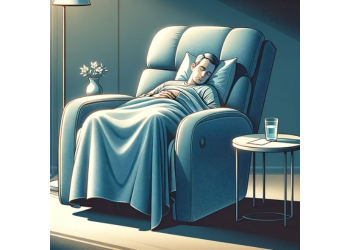
Sleeping in a recliner after sinus surgery is a practice many doctors recommend. It’s not just about comfort; it’s an important part of the healing process.
After surgery, lying flat can make your nose stuffy and swollen, which isn’t good for getting better. A recliner lets you sleep with your head raised, which helps keep the swelling down and makes it easier to breathe.
This way, you can get the rest you need without making your sinuses feel worse. So, while your body heals from the surgery, a recliner can be your best friend, helping you to sleep better and recover faster.
This guide aims to walk you through the steps to ensure your rest is both healing and restorative. We will explore how long should you sleep in a recliner, choose the right recliner, and additional tips to enhance your comfort.
Sleeping in a Recliner After Sinus Surgery- Ultimate goal

Sleeping in a recliner after sinus surgery helps a lot with healing. Here’s why: when you’ve had surgery on your sinuses, your nose and the areas around it can get very swollen.
This swelling is normal, but it can make you feel stuffy and uncomfortable. If you lie down flat on a bed, gravity can make the swelling worse, and you might even bleed more.
A recliner keeps your head higher than your chest. This position helps reduce swelling and can make it easier for you to breathe. It also lowers the chance of bleeding, which is really important when you’re trying to heal.
Doctors often say you should keep sleeping in this raised position for about a week after your operation. But of course, everybody is different. Some people might need less time, others a bit more.
The main thing is, that sleeping raised up in a recliner can give you a more comfortable rest and help you get better faster after your sinus surgery.
Related Article: How To Sleep In A Recliner After Shoulder Surgery: Rest Safe
How Long Should You Sleep in a Recliner After Sinus Surgery?

After having sinus surgery, sleeping in a recliner is a smart move for a little while. Doctors usually say to do it for about one week.
This time can change depending on what your own body needs and how complex the surgery was. The reason for this is to help with the healing process by keeping your head higher than your heart, which reduces swelling and helps you breathe easier after the surgery.
The primary goal of sleeping with your head raised in a recliner is to reduce post-surgery swelling and minimize the risk of excessive bleeding. The upright position can help prevent gravity from causing further swelling, and it can make breathing more comfortable.
Now, a week is a good general rule, but your doctor might tell you to do it for more or less time. It’s important to listen to your body. If you try to go back to your bed and you feel pain or discomfort, it might mean you need to spend a little more time in the recliner.
On the other hand, if you’re feeling good and your doctor agrees, you might be able to switch back to your bed sooner.
The key is to take it slow and not rush the process, as your body requires this time to heal effectively after sinus surgery. With patience and care, you’ll be on the road to a full and comfortable recovery.
How To Sleep In A Recliner After Sinus Surgery
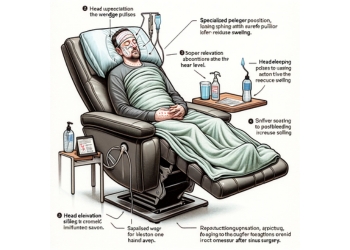
Sleeping in a recliner after sinus surgery can be a smart choice. It helps with breathing and comfort. Here are a few tips on how to sleep in a recliner after Sinus Surgery:
Elevate Your Head
After sinus surgery, it’s common to have some swelling and stuffiness. keeping your head up while you sleep can really help with that. Find a spot on your recliner that feels good and keeps your head higher than your chest. This can reduce the swelling and make it easier for you to breathe.
Pillow Support
Grab a few extra pillows to tuck around your body. They’ll give your arms and back extra support so you don’t slide down or end up in a weird position. The right pillow setup can make a big difference in how comfy you feel.
Breathing Easier
Being a bit upright in a recliner opens up your nasal passages more than lying flat does. This helps the stuffiness and lets the mucus move out of your nose better, so you don’t feel so blocked up and can catch some sleep more easily.
Positioning
Make sure you situate yourself in the recliner so you’re not squishing your nose or sinuses. You want to avoid putting any extra pressure on the areas that just had surgery. Sit back and let the recliner’s cushioning do its job.
Stay Hydrated
After sinus surgery, your nose and throat might feel pretty dry, especially if you’re breathing through your mouth more. Keep water within easy reach so you can sip if you wake up feeling thirsty or dehydrated. Staying hydrated helps keep everything moist and can make you more comfortable.
Related Article: 10 Best Recliners for Sleeping After Shoulder Surgery
What is the best sleeping position after sinus surgery?
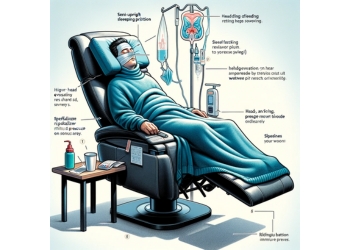
The best sleeping position after sinus surgery is to sleep with your head elevated. This means keeping your head higher than your chest. It helps reduce swelling and congestion in your nose and sinuses, making it easier to breathe.
You can achieve this position by sleeping in a recliner or by supporting yourself with extra pillows in bed. Sleeping on your back is generally recommended because it puts less pressure on your surgical site.
Even so, everyone is different, and you should follow your doctor’s advice for the most suitable sleeping position based on your specific surgery and condition.
What to Consider When Looking for a Recliner for Sinus Surgery?

When you’re searching for a recliner to use after sinus surgery, here are some things to think about:
Elevation: Make sure the recliner can lift your upper body easily. It should keep your head higher than your chest to help with congestion and swelling after surgery.
Comfort: The recliner should feel nice and support your back and head well. You’ll be spending a lot of time in it, so it should be comfy.
Ease of Use: Check if it’s simple to adjust the recliner to the right position. Complicated controls can be frustrating, especially when you’re not feeling your best.
Size and Fit: The recliner should fit you comfortably and also fit in your room without making it too crowded. Getting in and out should be easy.
Sturdiness: A strong frame will keep the recliner steady and safe. You don’t want it wobbling or tipping, especially when you’re not feeling your best.
Breathable Fabric: Look for fabric that lets air through if you tend to get hot. Staying cool is important for your comfort.
Extra Features: Some recliners have bonus features like massagers or heaters. These can be a nice added touch for relaxation and pain relief.
Related Article: Can Recliner Help Restless Leg Syndrome? -Comfort Solution
Conclusion
Sleeping in a recliner after sinus surgery can be a great help. It lets you keep your head elevated, which eases congestion and swelling, making your recovery smoother.
When choosing a recliner, remember that comfort, support, and stability are key. A recliner that’s easy to use, fits well in your space and feels good when you’re resting can make a big difference. Don’t forget to look for a breathable material to keep you cool and consider any extra features that might offer more relaxation and pain relief.
Always talk to your doctor for personalized advice, and take the time to find a recliner that suits your needs. With the right setup, you can get the rest you need and bounce back from your surgery more comfortably.
Frequently Asked Questions
Why is it better to sleep in a recliner after sinus surgery?
After sinus surgery, keeping your head elevated is key. A recliner is good for you because it helps lessen swelling, stops blood and fluids from pooling in your sinuses, and can be adjusted according to your needs.
How long should I sleep in a recliner after my surgery?
Usually, doctors say to sleep elevated for the first week or so after sinus surgery. But it’s different for everyone. You should follow what your doctor tells you because they know what’s best for your recovery.
Can sleeping in a recliner cause any problems?
If you set it upright, a recliner can be a good spot to rest after surgery. But if it’s not comfortable and you are using it for too long, you might get stiff or sore. Change positions and take little walks as soon as your doctor says it’s okay.
What should I do if I don’t have a recliner?
If you don’t have a recliner, you can use pillows to support yourself up in bed. Stack them so your head and shoulders are lifted up. This can work just like a recliner.
Is it okay to sleep on my side in a recliner?
After sinus surgery, it’s usually better to sleep on your back because it keeps your head even and stops pressure on one side. If you really like sleeping on your side, talk to your doctor to see if it’s okay.
Can I use a regular chair if I don’t have a recliner?
A regular chair might not be the best because it doesn’t usually let you tilt back enough. You need to be able to keep your head up when you’re sleeping after sinus surgery. If a recliner isn’t an option, try using a bunch of pillows in bed instead.

Julie D. Williams is a seasoned chair connoisseur with a decade in the furniture realm. She combines her keen eye for design and deep knowledge of ergonomics to provide readers with reviews and guides, ensuring comfort and style in every recommendation. Each piece is a fusion of aesthetics and function, tested and approved by Julie. A believer in the power of the perfect seat to transform spaces, she’s your go-to source for impeccable finds. When not reviewing chairs, Julie is on the hunt for vintage décor, weaving comfort and beauty into every aspect of life.