
Can full body massage chairs help with SFN? This question is increasingly pertinent as more individuals seek alternative methods to manage their health issues. In this article, we’ll explore the potential benefits of full body massage chairs for those suffering from Small Fiber Neuropathy (SFN), a condition that can significantly impact daily life.
We will delve into the mechanics of SFN, the therapeutic effects of massage, and how integrating a full body massage chair into one’s care routine might offer relief.
Understanding Small Fiber Neuropathy (SFN)
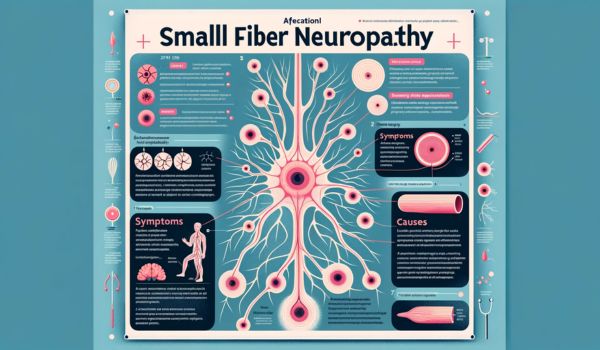
Small Fiber Neuropathy (SFN) is a disorder characterized by damage to the small fibers of the peripheral nervous system. These fibers are responsible for transmitting pain and temperature sensations, and when impaired, can lead to a range of symptoms. Individuals with SFN often experience severe pain, tingling, numbness, and a burning sensation, primarily in the hands and feet.
The causes of SFN can vary widely from diabetes and autoimmune diseases to idiopathic cases where the cause remains unknown.
Diagnosing SFN typically involves a skin biopsy, where a small piece of skin is examined for nerve fiber density. Treatment options are currently limited and mainly focus on managing symptoms rather than addressing the underlying cause. Common treatments include pain relievers, anticonvulsants, and topical creams, but these can have limited effectiveness and come with potential side effects.
Introduction to Massage Chairs as a Potential Relief Method
As conventional treatments often fall short of providing adequate relief, many turn to alternative therapies, such as massage. Enter the full body massage chair—a potential game-changer for SFN sufferers. These chairs offer a range of massage techniques, including shiatsu, kneading, and rolling, which can be tailored to address specific areas of discomfort.
Therapeutic Effects of Massage
Massage therapy has been recognized for its broad health benefits, particularly in the context of pain management and stress reduction. It works by stimulating the nervous system, promoting relaxation, and enhancing circulation. For those with neuropathic pain like SFN, massage can be especially beneficial.
It may help reduce pain intensity by activating pain inhibitory pathways and decreasing inflammation.
Current research supports the effectiveness of massage for neuropathic pain, though studies specifically targeting SFN are still in their infancy. Preliminary findings suggest that regular massage sessions could potentially alleviate the painful symptoms of SFN by improving blood flow and reducing the overactivity of nerve fibers.
Full Body Massage Chairs
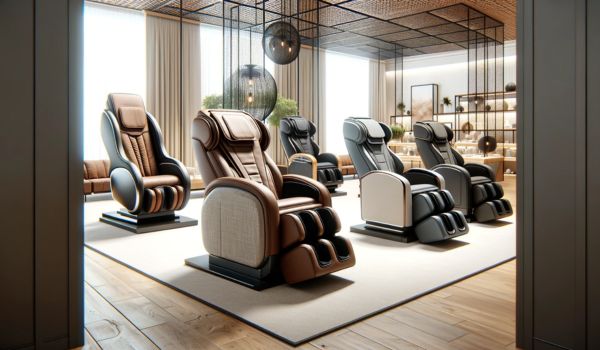
Full body massage chairs are sophisticated pieces of therapeutic equipment designed to provide a range of massage techniques at the touch of a button. These chairs mimic the hands and techniques of professional massage therapists by using mechanical rollers, airbags, and heating elements.
The primary functions include kneading, tapping, rolling, and a combination of these, which can be adjusted to various intensities and speeds to suit individual needs.
Key Features Relevant to Neuropathy Treatment
For those dealing with neuropathic conditions like SFN, certain features of massage chairs are particularly beneficial:
- Heat Therapy: Many massage chairs come equipped with heating elements which can be activated to provide soothing heat. Heat therapy is known to enhance blood circulation, which is crucial in managing neuropathic pain. Improved circulation can help reduce the discomfort caused by nerve damage.
- Range of Intensity Settings: The ability to adjust the intensity of the massage is vital for neuropathy patients, who may experience varying levels of sensitivity and pain. A chair that offers a wide range of settings allows users to find the most comfortable and effective level of stimulation for their specific condition.
- Programmability: Advanced massage chairs offer programmability features that allow users to customize and save their preferred massage routines. This is particularly useful for neuropathy patients, as it enables them to consistently apply therapeutic massage to the most affected areas, enhancing the effectiveness of each session.
Related Post
Potential Benefits of Full Body Massage Chairs for SFN
Alleviating Pain and Discomfort
Full body massage chairs may help alleviate the pain and discomfort associated with SFN by:
- Promoting Relaxation: Massage helps reduce stress and anxiety, which can exacerbate pain perception. By promoting relaxation, massage chairs can help diminish the overall pain experience.
- Stimulating Nerve Function: Gentle massaging action can stimulate nerve function in neuropathy-affected areas, potentially reducing numbness and pain.
- Enhancing Circulation: Improved blood flow can facilitate the healing of nerve tissues and reduce pain sensations caused by nerve damage.
Supporting Studies and Evidence
Although specific studies directly linking full body massage chairs to SFN relief are limited, general research on massage therapy provides supportive evidence of its benefits for neuropathic pain. Studies have shown that regular massage therapy sessions can significantly reduce pain intensity in individuals with various forms of neuropathy.
Personal Anecdotes and Case Studies
While clinical data is essential, personal stories and case studies often provide compelling insights into the benefits of massage chairs for SFN. For instance, some users report significant reductions in pain and improvement in quality of life after consistent use of a massage chair.
These anecdotes, while not scientific proof, suggest that many individuals find tangible relief from their neuropathic symptoms through regular use of massage chairs.
Comparing Massage Chairs and Traditional Massage Therapy
When it comes to managing symptoms of conditions like Small Fiber Neuropathy (SFN), both massage chairs and traditional massage therapy offer unique advantages and limitations. Understanding these can help individuals make informed choices about their treatment options.
Differences Between Machine-Based and Human-Provided Massages
Machine-Based Massage:
- Consistency: Massage chairs provide a consistent level of pressure and technique throughout the session, which can be precisely controlled and repeated.
- Accessibility: Once purchased, massage chairs offer convenient access to massage therapy at any time without the need to schedule appointments.
- Customization: Advanced chairs allow users to tailor programs to target specific areas, adjust intensity, and incorporate features such as heat and vibration.
Human-Provided Massage:
- Adaptability: Human therapists can adjust their techniques based on the patient’s feedback and the conditions felt by touch during the session.
- Holistic Approach: Professional therapists can use a holistic approach, addressing related areas and incorporating various modalities as needed.
- Therapeutic Relationship: The interaction with a therapist can provide psychological benefits that a machine cannot replicate.
Pros and Cons for Neuropathy
Pros of Massage Chairs:
- Convenience: Users can access therapeutic relief without leaving home, which is especially beneficial for those with mobility issues or chronic pain.
- Control: Individuals can control the exact duration, area, and intensity of the massage, which is crucial for neuropathy patients who may have varying pain thresholds.
Cons of Massage Chairs:
- Limited Technique: Massage chairs might not be able to fully replicate all massage techniques, such as deep tissue manipulation or manual trigger point therapy.
- Impersonal: Lacks the personalized adjustments and professional assessment that come with a trained therapist’s care.
Traditional Massage Pros:
- Customized Care: Therapists can provide immediate adjustments based on a patient’s response to treatment, potentially offering more effective pain relief and therapy.
- Comprehensive Techniques: Professional masseuses can employ a range of techniques that a chair cannot offer, targeting deeper tissues and more specific areas as needed.
Traditional Massage Cons:
- Availability: Requires scheduling and traveling to appointments, which might be inconvenient for some patients.
- Variability: Quality and approach can vary significantly between therapists, which may lead to inconsistent pain relief.
Safety and Considerations
Potential Risks and Safety Concerns
While massage chairs can offer significant benefits, there are also potential risks, especially for those with SFN:
- Pressure Sensitivity: Overly intense massage settings can exacerbate pain symptoms in neuropathy patients.
- Lack of Feedback: Without real-time feedback, a massage chair might apply pressure to areas that should be treated with care.
Who Should Avoid Using Massage Chairs
Individuals with certain health conditions should avoid using massage chairs or consult with a healthcare provider first:
- Severe Osteoporosis: The pressure exerted by massage chairs can be harmful.
- Advanced Diabetes with Complications: Such as severe neuropathy or poor circulation, which might worsen with mechanical massage.
- Pregnancy: Particularly in the later stages, as certain pressures and positions can be risky.
Recommendations for Safe Use
If you have SFN and are considering a massage chair, here are some safety tips:
- Start Gently: Begin with the lowest intensity settings and gradually increase as tolerated.
- Short Sessions: Initially, keep sessions short to monitor your body’s response.
- Focus on Comfort: Adjust settings to focus on areas that are less sensitive to ensure comfort.
- Consult Your Doctor: Before starting any new treatment regimen, especially if your condition involves complex health issues.
By weighing these factors carefully, individuals with SFN can better decide whether a massage chair or traditional therapy will best suit their needs, ensuring both safety and effectiveness in managing their symptoms.
Expert Opinions on Massage Chairs for SFN
Insights from Healthcare Professionals
Neurologists and pain management specialists generally view massage chairs as a supplementary treatment for Small Fiber Neuropathy (SFN). While acknowledging the lack of specific studies on massage chairs for SFN, experts highlight the potential benefits of massage therapy in reducing neuropathic pain symptoms.
Physiotherapists often recommend massage chairs as part of a comprehensive therapy plan, noting their usefulness in muscle relaxation and circulation enhancement, which can indirectly benefit SFN patients by alleviating pain.
Healthcare Provider Recommendations
Healthcare providers typically recommend integrating massage chairs into an SFN management plan with caution and consideration. They emphasize the importance of:
- Using massage chairs as one component of a broader treatment plan that includes medications, lifestyle changes, and possibly other forms of physical therapy.
- Consulting with a specialist to tailor the use of a massage chair to individual patient needs, ensuring that the intensity and type of massage do not exacerbate symptoms.
User Guide
Choosing the Right Massage Chair
When selecting a massage chair for SFN relief, consider the following:
- Adjustability: Look for chairs that offer a wide range of intensity settings and programmable options to cater to sensitive areas.
- Features: Opt for chairs with elements like heat therapy and targeted massage capabilities, which can be particularly beneficial for neuropathic pain.
- Ergonomics: Ensure the chair supports proper posture and is comfortable for long-term use.
Incorporating Massage Chairs into Daily Routine
Maximizing the benefits of a massage chair involves:
- Routine Use: Establish a regular schedule for massage sessions, such as daily 15-minute sessions, to maintain consistency.
- Activity Integration: Combine massage chair sessions with other therapies or activities recommended by your healthcare provider, such as gentle exercise or meditation.
- Relaxation Enhancement: Use the massage chair in a calm, comfortable setting to enhance relaxation and overall effectiveness.
Maintenance Tips
Keeping your massage chair in optimal condition involves:
- Regular cleaning of the upholstery and components according to the manufacturer’s instructions.
- Checking for and addressing any mechanical issues promptly to avoid worsening.
- Ensuring that the chair’s settings and features are regularly updated or checked to maintain functionality.
Conclusion
Throughout this discussion, we have explored how full body massage chairs could play a supportive role in managing Small Fiber Neuropathy (SFN).
Experts see potential in the therapeutic effects of massage, particularly for symptom relief. However, they advise incorporating these chairs as part of a comprehensive treatment strategy rather than as a standalone solution.
While promising, there is a clear call for more focused research and patient testimonials to better understand the effectiveness and optimize the use of massage chairs for SFN relief. As with any medical treatment, it is crucial to consult with healthcare providers to tailor any new therapy to your specific health needs.
Frequently Asked Questions
Is a massage chair good for neuropathy?
Yes, a massage chair can be beneficial for neuropathy. It helps by stimulating nerves and improving circulation, which can alleviate pain and enhance sensory functions.
Does massage help nerve regeneration?
Massage may aid in nerve regeneration by increasing blood flow and stimulating the release of growth factors. However, direct effects on nerve repair are still under research.
Is massage therapy good for neuropathy?
Massage therapy is considered effective for managing neuropathy symptoms. It can reduce pain, improve circulation, and decrease discomfort associated with neuropathy.
Is a massage chair good for fibromyalgia?
A massage chair can be advantageous for fibromyalgia sufferers by reducing muscle stiffness and enhancing relaxation, thereby helping to manage chronic pain and discomfort.
Are vibrating massagers good for neuropathy?
Vibrating massagers can provide relief for neuropathy by stimulating nerves and muscles, improving blood flow, and reducing pain and numbness in the affected areas.
When not to use a massage chair?
Avoid using a massage chair if you have severe osteoporosis, recent fractures, skin infections, or major cardiovascular conditions. Always consult with a healthcare provider before starting new treatments.
