
When can I sit in a recliner after hip replacement? This question is often at the forefront of discussions about recovery post-hip surgery. Given the intrusive nature of hip replacement surgery, it’s understandable why finding a comfortable sitting position becomes a priority for many patients.
This article delves into not only when you can enjoy your recliner again but also the essential aspects of hip replacement and post-surgery care.
Engage in our narrative as we explore the journey from the operating room to the living room, focusing on making your recovery both effective and comfortable.
Understanding Hip Replacement Surgery
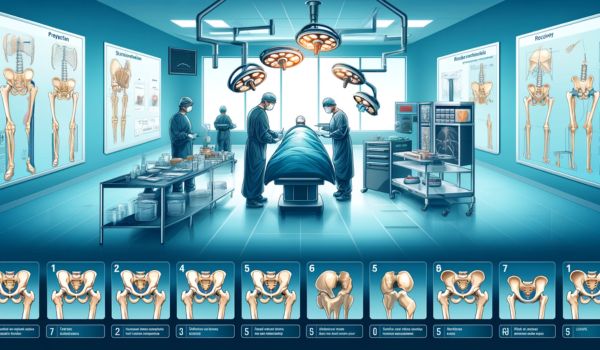
Hip replacement surgery, a procedure to replace a worn out or damaged hip joint with an artificial one, typically is the last resort after other treatments have failed. Typically, this surgery is necessary when arthritis impairs daily activities and pain relief measures no longer provide relief. But what happens during the surgery, and what are the different types of hip replacements available?
Hip replacement surgeries can be broadly classified into total and partial replacements. In a total hip replacement, both components of the hip joint—the ball (femoral head) and the socket (acetabulum)—are replaced. In contrast, partial hip replacement usually involves replacing only the femoral head. The decision between a total or partial replacement will depend largely on the extent of the joint damage and the patient’s overall health.
The materials used in hip implants play a critical role in the longevity and success of the surgery. Common materials include metal, ceramic, and plastic components, which are selected based on durability and compatibility with the human body.
Post-Surgery Recovery: The First Weeks
After the completion of hip replacement surgery, understanding the recovery process is crucial. When can I sit in a recliner after hip replacement? To answer this, let’s first look at the immediate post-surgery care.
Initially, you will spend a few days in the hospital. This period is critical for managing pain and beginning mobility under supervision. The healthcare team will monitor your progress and help manage pain and prevent complications.
Once home, the early recovery phase continues over the first few weeks. During this time, achieving certain recovery milestones, such as walking with assistance and performing light activities, is important. Adherence to the doctor’s instructions and engaging in prescribed physical therapy sessions will significantly affect your recovery speed and success.
Typically, patients are advised to avoid sitting in low, soft chairs immediately after surgery. A recliner can be used, but with caution. Most surgeons recommend waiting until you can sit down and stand up with minimal assistance before using a recliner. It’s essential to maintain a slightly reclined position, not a fully flat one, to avoid stress on your new hip. The recliner should also provide good support, allowing the hip to remain slightly higher than the knees.
When can I sit in a recliner after hip replacement? While the answer varies, most people can start using a recliner within a few weeks after surgery, following their doctor’s specific advice and listening to their body’s signals. Remember, every patient’s recovery path is unique, and what works for one may not suit another. Your journey to recovery, filled with personal milestones and challenges, is yours to navigate with the guidance of medical professionals.
Sitting After Hip Replacement Surgery: Guidelines and Posture

When can I sit in a recliner after hip replacement, and what are the general guidelines for safe sitting after such a significant procedure? After undergoing hip replacement, patients often receive specific instructions from their surgeons on when and how it’s safe to start sitting. Initially, the focus is on preventing stress on the new joint and avoiding positions that might lead to dislocation.
Proper posture is crucial to avoid putting undue pressure on the hip joint. Patients are typically advised to sit with the hips positioned slightly higher than the knees. Chairs with straight backs and firm seats are preferable as they help maintain the correct posture without causing strain. Using supportive cushions or wedges can also aid in maintaining an ideal sitting angle.
Special care must be taken to avoid crossing legs or sitting in low or overly soft chairs as these positions can increase the risk of dislocation. It is important to change your sitting position regularly but cautiously to manage pain and discomfort effectively.
Related Post
- Can i use lazyboy recliner chair after hip replacement
- Can i sleep in a recliner after hip replacement
- Is a recliner good after hip replacement
- How to elevate recliner after hip replacement
Using a Recliner After Hip Replacement: Benefits and Safe Practices
The benefits of using a recliner after hip replacement surgery are significant, especially in terms of comfort and pain management. A recliner can provide better support and distribute weight evenly, reducing the risk of putting extra strain on the new hip joint.
Choosing the Right Recliner: When selecting a recliner post-hip replacement, look for one that supports getting up and sitting down with ease. Features such as adjustable angles and heights, firm support, and easy-to-use controls are essential. The recliner should allow the user to keep the hip in a neutral position with the feet flat on the floor when seated.
Step-by-Step Guide to Using a Recliner:
- Approaching the Recliner: Approach the recliner frontally and use the arms of the chair for support as you sit down.
- Sitting Down: Gently lower yourself into the chair, keeping your operated hip in a neutral position, avoiding any twisting movements.
- Adjusting the Recliner: Use the controls to adjust the recliner to a comfortable position that keeps your hips higher than your knees.
- Rising from the Recliner: To stand up, bring the recliner back to its upright position. Lean forward slightly, using your arms and legs to push yourself up into a standing position, again avoiding any twisting movements.
By understanding and adhering to these guidelines, patients can effectively use a recliner to aid their recovery and ensure a more comfortable and safe healing process after hip replacement surgery. When can I sit in a recliner after hip replacement? With the right precautions and an appropriate recliner, it can be a part of your recovery from the early stages, always following the tailored advice from your healthcare provider.
Recliners vs. Regular Chairs: What’s Better Post-Surgery?
When can I sit in a recliner after hip replacement, and how does it compare to using regular chairs? This comparison is crucial for those in the recovery phase of hip replacement surgery, as choosing the right type of seating can significantly impact healing and comfort.
Recliners vs. Regular Chairs: Recliners often offer superior support and customization options compared to regular chairs. They allow for adjustable positions that can help maintain the hips and knees at the recommended angles, thus reducing strain. Regular chairs, while sometimes adequate, typically do not offer the same level of comfort or adjustability.
Pros and Cons of Using a Recliner:
- Pros:
- Adjustable positioning to reduce joint stress
- Better back and arm support which aids in standing up and sitting down
- Can improve circulation by allowing position changes
- Cons:
- Some recliners may be too soft, providing inadequate support
- Risk of using improper techniques to sit and rise, which can lead to complications
Health Professional Recommendations: Most health professionals suggest using recliners that can maintain the body in a safe posture with minimal effort from the patient. The key is to ensure that any seating used does not compromise the integrity of the new hip.
Do’s and Don’ts When Using a Recliner
When navigating recovery after hip replacement, knowing what to do and what to avoid with a recliner is essential.
Specific Do’s and Don’ts:
- Do’s:
- Do use a recliner with firm support.
- Do ensure you can touch the floor with your feet when seated.
- Do use the lever or electronic control to minimize strain when adjusting the recliner.
- Don’ts:
- Don’t sit down or stand up without using your arms for support.
- Don’t twist at the waist while sitting or getting out of the recliner.
Exercises and Movements to Avoid: It is crucial to avoid any jerky, twisting, or bending movements that could dislocate the new hip. The focus should be on gentle, controlled motions.
Using Pillows and Cushions: To enhance comfort and support, strategically placed pillows or cushions can help maintain proper hip alignment and prevent pressure sores. They should be firm enough to support but not so bulky as to alter the seating position drastically.
Long-Term Care and Maintenance
In the long term, when can I sit in a recliner after hip replacement becomes less about immediate post-operative care and more about maintaining healthy sitting habits.
Posture and Sitting Habits: Long-term, maintaining good posture is vital. Consistent use of chairs that support a healthy posture and frequent position changes can help manage long-term outcomes and comfort.
Continuation of Physical Therapy and Exercises: Regular exercises to strengthen the muscles around the hip and continued physical therapy are crucial for recovery and for maintaining the function of the hip replacement.
Regular Follow-Ups with Healthcare Provider: Ongoing check-ups with your healthcare provider are important to assess the condition of the hip replacement and make any adjustments to your recovery plan as needed.
By adhering to these guidelines and carefully considering the use of recliners versus regular chairs, individuals recovering from hip replacement surgery can achieve optimal results and improve their overall quality of life.
When to Consult Your Doctor
Understanding when to consult your doctor is crucial for a smooth recovery after hip replacement surgery. Recognizing signs of complications early can prevent serious issues.
Signs of Complications: Immediate medical attention is required if you experience severe pain, swelling, redness, or drainage at the surgery site, signs that could indicate infection or dislocation. Also, be alert for any changes in the ability to bear weight or general mobility.
Regular Scheduled Check-Ups: Regular check-ups are essential. During these appointments, discuss your pain levels, mobility improvements, and any concerns you have. It’s also a time to evaluate the healing process and ensure that the hip is functioning as expected.
Adjusting Your Recovery Plan: Based on your progress and feedback during these check-ups, your doctor might adjust your recovery plan. This could include changes in medication, physical therapy, or daily activities to better suit your healing pace.
Conclusion
When can I sit in a recliner after hip replacement? The answer varies, but understanding the recovery process, from the safe use of recliners to recognizing when to seek medical advice, is key. We’ve explored how to choose the right recliner, maintain proper posture, and continue care to ensure a healthy recovery. Remember, each patient’s journey is unique, requiring patience and discipline.
Stay in close contact with your healthcare team, follow their advice diligently, and focus on gradual improvement. Your journey back to comfort and mobility can be successful with careful attention and a positive outlook.
Frequently Asked Questions
Is it okay to sit in a recliner after hip replacement surgery?
Yes, sitting in a recliner is generally safe after hip replacement surgery. It can provide good support and help maintain proper posture, which is crucial during recovery.
When can I sit on a normal sofa after hip replacement?
You should wait until your doctor gives you the clear, typically around 6 to 8 weeks post-surgery, before sitting on softer, lower sofas to avoid strain.
Can sitting in a recliner cause hip pain?
Sitting in a recliner for prolonged periods can cause hip pain if the chair does not provide adequate support or if it promotes a poor sitting posture.
What type of chair is best after hip replacement?
A chair with firm support, adjustable height, armrests, and a straight back is best after hip replacement to assist with sitting and standing.
Is it better to sit or lay down after hip replacement surgery?
It is generally better to alternate between sitting and lying down to reduce stiffness and improve circulation, following your doctor’s recommendations on posture and duration.
How long after hip replacement can I tie my shoes?
Typically, you should be able to tie your shoes within 6 to 8 weeks post-surgery, as your flexibility improves and with the approval of your physical therapist.
Can I sit up in bed after a hip replacement?
Yes, sitting up in bed is encouraged as part of your recovery process. Use pillows for support and maintain hip precautions to avoid dislocation.
