

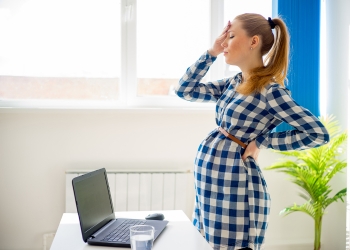
“Office Chair Discomfort at 39 Weeks Pregnant” is a common concern that many expecting mothers face.
As the baby grows, so do the challenges of finding a comfortable position, especially while sitting at work.
During this late stage of pregnancy, the body is undergoing significant changes, leading to increased discomfort.
The added weight and shifted center of gravity can make the usual office chairs feel like a source of pain rather than support.
Expecting moms find themselves searching for relief to focus on their work while ensuring both their and the baby’s well-being.
Addressing this issue involves understanding the causes of this discomfort and exploring solutions to reduce pain and ensure comfort during working hours.
Why Does it Hurt Sitting in an Office Chair at 39 Weeks Pregnant?
1. Increased Weight:
The extra weight, which is mostly carried in the abdomen at 39 weeks pregnant, puts significant pressure on the body.
It creates a pull forward, leading to a noticeable curve in the back.
Sitting for extended periods, especially in a non-supportive office chair, intensifies this discomfort, making every minute seated an exercise in endurance.
2. Shifted Center of Gravity:
The blossoming baby bump, a joyous sign of the impending arrival, brings with it a shift in the body’s center of gravity.
The back curves and posture adapt due to the changes in the body but not always with comfort.
Your body naturally inclines to compensate for the changes in the body and can make sitting very complex while shifting and readjusting, especially in chairs not designed for such adaptative postures, resulting in persistent discomfort.
3. Hormonal Changes:
A pregnant body results in a lot of hormonal changes.
The release of relaxin, in preparation for childbirth, makes the joints and ligaments more flexible.
While essential for delivery, this increased flexibility can translate into a feeling of instability and aches.
Each hour spent in an inflexible, unforgiving office chair can turn these aches into persistent pain.
4. Pressure on Nerves:
The pressure intensifies more and more on the surrounding nerves of the uterus as the baby grows.
Sciatic pain, a shooting discomfort in the lower back and legs, often emerges as an unwelcome companion.
An office chair, especially one lacking in ergonomic design, can increase this pressure and the accompanying discomfort, making each sitting session an intimidating task.
5. Poor Circulation:
With the baby growing, circulation can become a concern.
Long hours of sitting worsen this issue, leading to a sensation of heaviness, numbness, and even swelling in the legs and feet.
Sitting in an office chair, particularly one not for the specific needs of a pregnant body, can transform these sensations from mild irritations to insistent discomforts.
6. Inadequate Chair Support:
The generic design of many office chairs becomes glaringly apparent during late pregnancy.
The lack of support for the evolving curves and contours of a pregnant body, especially the lower back and pelvic area, turns the harmony of a chair into a source of discomfort.
Every hour spent seated increases the body’s need for support and cushioning.
7. Muscle Strain:
As the baby grows, the stretched abdominal muscles become less effective in their role as stabilizers for the spine.
The back muscles, now overburdened, face the strain of compensation.
Each moment in an office chair, especially those lacking lumbar support, intensifies this muscle strain, turning the act of sitting into a source of persistent, gnawing discomfort.
Postures to Maintain for Sitting in an Office Chair at 39 Weeks Pregnant
Maintaining good posture while sitting in an office chair at 39 weeks pregnant can significantly reduce discomfort. Here are some helpful postures:

1. Back Straight, Feet Flat:
Having the back straight isn’t just about an upright position but ensuring the spine’s natural curves are supported.
Pregnant women should focus on aligning their backs with the chair’s backrest.
Feet should rest flat on the floor, providing a stable base, enhancing comfort, and reducing strain on the legs and back.
If feet are not supported, the pressure increases on the back, so adjust the chair or use a footrest.
2. Knees at Right Angles:
Creating a right angle with the knees helps in evenly distributing the body’s weight, reducing pressure points.
The thighs should be parallel to the floor, ensuring that the added weight of pregnancy doesn’t strain the lower back.
A cushion or adjustable seat pan can offer additional support to achieve this posture.
3. Use of Lumbar Roll:
The lumbar roll is a pregnant woman’s friend in comfort.
Positioned at the lower back, it supports the spine’s natural curve, reducing the tendency to slouch or strain the back.
It acts as a bridge, filling the gap between the back and the chair and reducing discomfort arising from long periods of sitting.
4. Arm Support:
Arms carry a part of the body’s weight, and at 39 weeks pregnant, ensuring they’re supported can relieve the upper back and shoulders.
The elbows should rest comfortably, creating a 90-degree angle, a position that reduces strain and encourages a relaxed, yet aligned posture.
5. Close to Desk:
Being close to the desk decreases the instinct to lean forward, a motion that intensifies strain on the neck and back.
With the monitor at eye level, it promotes a neutral neck position, a subtle yet effective strategy to ward off aches and pains attributable to misalignment.
6. Regular Movement:
Every slight shift or gentle stretch is a relief for the muscles.
Encouraging regular movement breaks the continuity of a static posture.
It’s an invitation for muscles to relax and blood to circulate, vital for reducing discomfort and including a sense of relief.
7. Use of a Footrest:
A footrest is more than a comfort accessory; it’s a tool of elevation that reduces the lower back’s burden.
Elevating the feet slightly encourages a distribution of weight that is more conducive for comfort, especially for pregnant women going through the dual challenges of added weight and gravitational pull.
What to Avoid for Office Chair Discomfort at 39 Weeks Pregnant
Here are several things that pregnant women should avoid while sitting in an office chair at 39 weeks pregnant:
1. Crossing Legs:
At 39 weeks, circulation is of great importance.
Crossing legs can hold back blood flow, elevating the risk of swelling and numbness.
It’s more than discomfort—it’s a health essential to keep legs uncrossed, promoting optimal circulation to both mother and baby and minimizing the risk of developing varicose veins.
2. Slouching:
The allure of slouching is undeniable, but the pressure it takes on the back is significant.
With the added front weight, the back is already strained.
Slouching worsens this, stretching back muscles unnaturally and leading to intensified aches.
Each moment of upright sitting counters this risk, offering relief and support.
3. Sitting for Long Periods:
Sitting is a reprieve but staying seated is a strain. Being seated for a long time results in discomfort, inhibits circulation and muscle stiffness.
Every standing break is a reset, a moment for muscles to relax and blood to flow, vital for reducing the intensified discomfort of the final pregnancy stages.
4. Non-Ergonomic Chairs:
A chair is not just a seat—it’s a vessel of support.
Non-ergonomic chairs lack the customized design to accommodate a pregnant body’s needs, turning sitting into a source of strain.
Going for chairs with adjustable and supportive features is not a luxury, but a necessity for comfort.
5. Leaning Forward:
The computer screen gestures, but leaning forward is a trap.
It pulls the spine out of alignment, resulting in unwanted strain on the neck and back.
Maintaining a natural alignment, with the monitor at eye level, transforms each working moment into an act of self-care.
6. Hard Surfaces:
Hard surfaces are unyielding, offering no relief to a body going through the dual challenges of weight and gravity.
Cushioning is not just comfort—it’s a barrier against pressure, a source of support, making each seated moment less about endurance and more about ease.
Tips For A Comfortable Office Space at 39 Weeks Pregnant

1. Adjustable Chair: Choose a chair that you can adjust easily. It should support your back comfortably. As your body changes, being able to change the chair’s height or back support can make all the difference in feeling good while you work.
2. Footrest: A footrest can be a game-changer. By propping your feet up just a bit, you can ease the pressure on your back. It’s a simple tool that can make sitting down more comfortable and help with swollen feet too.
3. Desk Layout: Keep things you use often close by. It helps you avoid stretching or reaching out too far. This small change can make your workspace more comfortable and reduce the strain on your back and belly.
4. Monitor Height: Put your computer screen at eye level. This way, you won’t have to look down or up, reducing neck strain. It’s a small adjustment that can greatly reduce discomfort while you work.
5. Keyboard and Mouse Position: Have your keyboard and mouse close, so you’re not reaching out all the time. It helps in keeping your back straight and reduces the strain on your arms and shoulders.
6. Lighting: Make sure your workspace is well-lit. Good lighting helps avoid eye strain and the need to lean closer to your computer, making reading and working on tasks easier and more comfortable.
7. Climate Control: Keep a sweater or a small fan nearby. Being able to control your immediate temperature can make you feel more comfortable, especially with the body temperature changes that come with pregnancy.
8. Breaks: Take short breaks to stand and stretch. Moving around not only helps your body feel better but also gives you a mental refresh. It’s essential to move a little, especially during long working hours.
9. Cushion Support: Extra cushions can be your best friend. They offer added support to your back and bottom, turning a hard chair into a comfortable seating area that serves your body’s needs.
10. Ergonomic Accessories: Consider tools and accessories designed for comfort. Items like a special keyboard tray can make your daily tasks less of a strain on your body.
11. Clutter-Free: A tidy workspace can make a big difference. With more room to move and less clutter, your mental and physical space feels freer, leading to less stress and more comfort.
12. Personalized Adjustments: Every person and pregnancy is different. Pay attention to what your body tells you and make adjustments to your workspace as needed. If something doesn’t feel right, change it, and always aim for the most comfort.
Conclusion:
Navigating the workplace at 39 weeks pregnant, especially while contending with the discomfort of sitting in an office chair, can be challenging.
However, by understanding the causes of discomfort and implementing ergonomic solutions, expectant mothers can enhance their comfort significantly.
By customizing the workspace with adjustable chairs, supportive accessories, and mindful practices, women in their late pregnancy stages can strike a balance between productivity and well-being.
Every adjustment and adaptation contributes to a more comfortable and supportive environment, making the final weeks of pregnancy manageable and less demanding in the office setting.
Related Article:
Best Office Chair for Pregnant Ladies
Can I Sit in a Recliner while Pregnant
How to Make Office Chair More Comfortable During Pregnancy
How to Sit in Office Chair Pregnant to Lower Baby
Best Back Support for Office Chair During Pregnancy
Back Pain from Office Chair During Pregnancy
Sitting in Office Chair During Pregnancy to Prevent Bleeding
Frequently Asked Questions
Is it safe to work until 39 weeks of pregnancy?
Yes, many women work until their due date, but comfort and safety are crucial. It’s essential to adapt the workspace and take regular breaks to reduce discomfort. Always consult with your healthcare provider for personalized advice.
Can sitting for long periods affect my baby’s health?
Prolonged sitting can lead to discomfort for the mother but is generally not harmful to the baby. However, moving and stretching regularly is recommended to enhance maternal circulation and comfort.
What type of chair is best for a pregnant woman in the office?
Chairs with adjustable height, good lumbar support, and cushioning are ideal. An ergonomic design that can be tailored to individual comfort needs is preferable.
How can I reduce back pain while working at my desk?
Maintain an upright posture, use a lumbar roll or cushion for support, and ensure your feet are flat on the floor or a footrest. Take regular breaks to move and stretch.
Are there specific exercises to alleviate discomfort while sitting?
Gentle stretches and movements can help. Focus on stretching the back, neck, and legs. Always consult your doctor before starting any exercise during pregnancy.
Can the placement of computer equipment affect my comfort?
Yes, having the monitor at eye level and the keyboard and mouse close reduces strain on the neck, back, and shoulders. Ensure your workspace is adjusted to your comfort needs.

Julie D. Williams is a seasoned chair connoisseur with a decade in the furniture realm. She combines her keen eye for design and deep knowledge of ergonomics to provide readers with reviews and guides, ensuring comfort and style in every recommendation. Each piece is a fusion of aesthetics and function, tested and approved by Julie. A believer in the power of the perfect seat to transform spaces, she’s your go-to source for impeccable finds. When not reviewing chairs, Julie is on the hunt for vintage décor, weaving comfort and beauty into every aspect of life.