
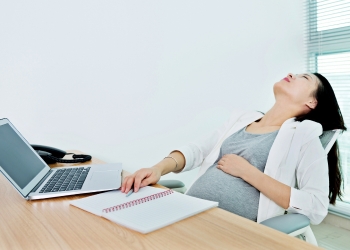
Back Pain from Office Chair during Pregnancy is a common yet often overlooked issue that many expecting mothers face.
As the excitement of a growing new life unfolds, so does the physical strain, mostly experienced in the back due to changes in posture, weight distribution, and hormonal shifts.
For those spending significant hours in an office environment, the chair can either support or worsen this discomfort.
Addressing this challenge effectively requires an understanding of its causes, as well as implementing practical strategies for relief and prevention.
This article provides insights and solutions to get through this specific type of back pain, ensuring a more comfortable and joyful pregnancy journey for working expectant mothers.
Correct Postures to Reduce Back Pain from Office Chairs During Pregnancy
Understanding the Importance of Posture
For expecting mothers, adapting to the physical changes that accompany pregnancy can be challenging.
One area that often gets overlooked is the posture we maintain, especially while sitting.
Correcting and improving posture during pregnancy isn’t just about comfort—it’s a crucial step to reduce back pain associated with sitting in office chairs.
Tips for Correct Seating Posture
1. Feet Flat on the Floor: Keep both feet firmly on the floor. If your feet don’t reach the ground, use a footrest. This position helps to distribute your body weight evenly, reducing the strain on your back.
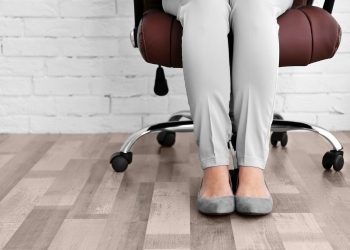
2. Knees at 90 Degrees: Aim to have your knees bent at a 90-degree angle. This helps in maintaining a neutral position that supports the lower back without adding extra pressure.
3. Supportive Backrest: Ensure your back is well-supported. An office chair with a cushioned or ergonomic backrest can make a world of difference. Your back should touch the backrest, and there should be a small gap between the back of your knees and the seat to avoid pressure build-up.
4. Straight Neck and Shoulders: Hold your head up straight, with your ears aligned with your shoulders. Avoid leaning forward or looking down. This alignment reduces the strain on the neck and upper back.
5. Arm Support: Make sure your arms are supported. Adjustable armrests that allow your shoulders to stay relaxed and your elbows to form a 90-degree angle can help minimize strain on the shoulders and upper back.
Regular Adjustments and Movements
Pregnancy is a time of constant change, and the posture that was comfortable one week might need adjustments the next. Adapt your seating and working positions as your body changes.
Taking short, frequent breaks to stretch and move around is equally essential to maintain flexibility and relieve tension.
Consult Professionals
Always consult a healthcare professional or a physiotherapist for personalized advice.
They can provide specific guidance, especially for your body’s needs and changes, ensuring safety and comfort for both the mother and the baby during this precious time.
Postures to Avoid to Minimize Back Pain from Office Chairs During Pregnancy
While correct posture can be a saving grace for managing back pain during pregnancy, knowing which postures to avoid is equally important.
Here are some common positions and practices that expecting mothers should keep away from to maintain comfort and health while working in an office environment.
Postures and Practices to Avoid
1. Cross-Legged Sitting:
Sitting cross-legged, a common yet overlooked position can be particularly harmful during pregnancy.
It not only disrupts the alignment of the spine leading to increased back pain, but also restricts blood flow.
The elevation of one hip over the other can also worsen pelvic pain, making this position one to certainly avoid.
2. Leaning Forward:
The act of leaning forward, especially towards a computer or while reaching out for something, imposes an unwarranted strain on the back muscles.
For pregnant women, whose back muscles are already compensating for the extra weight, this could result in more discomfort and pain.
Maintain an upright posture bring objects closer to avoid leaning and ensure that the back remains supported and relaxed.
3. Prolonged Sitting:
Long periods of uninterrupted sitting can increase lower back pain.
During pregnancy, the body is constantly changing and adapting; hence, flexibility and movement are essential.
Make a habit of taking short breaks every hour to stand, stretch, and walk around to reduce pressure and enhance circulation.
Consider using a timer as a reminder to take these essential movement breaks.
4. Non-Ergonomic Furniture:
Chairs and desks that do not adapt to your body’s curves and needs can be a source of increased discomfort.
During pregnancy, a chair that doesn’t provide enough support could result in back pain.
Go for ergonomic options that offer adjustable features to accommodate the changing body shape and provide support, ensuring both comfort and safety.
5. Twisting Movements:
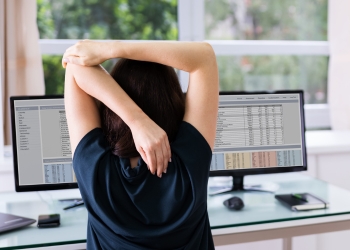
Twisting movements, especially of the upper body, can put immense strain on the spine.
It’s vital for pregnant women to avoid such motions to minimize the risk of back pain.
Always aim to turn the entire body as a unit, rather than just twisting the torso.
This can help in maintaining a stable and supported posture, reducing strain and discomfort.
Adapting Work Environment
Adapting your work environment is crucial to minimizing the risk of back pain.
Include ergonomic furniture and tools that offer support and comfort.
Always pay attention to your posture and try to avoid the habits that may be causing any discomfort.
Understanding Back Pain During Pregnancy

Going through the various changes that pregnancy brings can sometimes be challenging.
Here, are some common causes of back pain during this special time to provide clarity and comfort.
Hormonal Changes
When you’re pregnant, your body makes more of a hormone called relaxin.
This hormone loosens up the parts of your body and helps during childbirth but it loosens up other parts of your body too, including the joints and ligaments in your back.
While this is completely normal, it can sometimes make your back feel a bit sore or achy.
Postural Changes
Your growing belly doesn’t just mean more weight; it changes the way you stand and sit too.
Sometimes, without even realizing it, you might lean back or slouch to feel more comfortable.
Although it might feel good at the moment, these changes can strain your back, neck, and shoulders, making them feel sore.
Lack of Exercise
It might sound a bit strange, but moving around and exercising can actually help keep your back strong and reduce pain.
If your muscles are inactive for too long, they can become weak.
Keeping them moving and active can help them stay strong and support your growing belly better.
Inadequate Sleep and Rest
Getting good sleep and enough rest isn’t always easy during pregnancy.
You might be trying to find that “just right” sleeping position where both you and the baby are comfortable.
If you’re not resting well, your back can become strained and tired, making sleep even more challenging and causing pain during the day.
Stress
Pregnancy can sometimes bring extra worries and stress.
Believe it or not, this emotional stress can turn into physical pain.
When you’re stressed, your muscles, including those in your back, can tighten up, leading to aches and pains.
Finding ways to relax and de-stress is not just good for your mind but your back too.
Tips to Reduce Back Pain in an Office Chair During Pregnancy

Going through pregnancy while working in an office setting can sometimes intensify the challenge of back pain.
However, there are practical and effective steps that expecting mothers can take to reduce this discomfort.
Below are some tips to help reduce back pain when seated in an office chair during pregnancy.
1. Choose the Right Chair:
- Ergonomic Design: Select a chair that supports the natural curve of your spine. Chairs with adjustable height, backrests, and armrests can be particularly beneficial.
- Lumbar Support: A chair with good lumbar support can reduce lower back pressure. Use cushions or pillows if needed to enhance comfort.
2. Perfect Your Posture:
- Feet Flat: Ensure your feet are flat on the floor, forming a 90-degree angle at the knees. Use a footrest if needed.
- Back Alignment: Maintain a straight back, avoid slouching, and keep your back fully supported against the backrest.
3. Move and Stretch:
- Take Breaks: Stand up, walk around, and stretch every hour to relieve pressure and improve circulation.
- Stretching Exercises: Include gentle stretches to relax muscles. Always consult your doctor for safe exercise recommendations.
4. Personalized Comfort:
- Seat Cushions: Consider using a seat cushion to enhance comfort and support.
- Adjustable Workstations: If possible, use workstations that can be adjusted for sitting and standing to cover your position throughout the day.
5. Manage Stress:
- Relaxation Techniques: Use deep breathing, meditation, or other relaxation techniques to release muscle tension.
- Stay Organized: Manage workloads and tasks efficiently to reduce mental stress, which can translate into physical tension.
6. Seek Professional Advice:
- Healthcare Consultation: Regularly consult with your healthcare provider for personalized advice and recommendations.
- Physical Therapy: Consider seeking help from a physiotherapist for specialized exercises and posture correction tailored to your needs.
What to Avoid to Reduce Back Pain from Office Chair During Pregnancy

Pregnancy is a time of both excitement and adjustment.
As your body changes, it’s crucial to be aware of certain habits and situations to avoid, especially in a work environment, to minimize back pain.
Here are some key points to stay away from.
Avoiding Poor Ergonomics
One of the first steps to reduce back pain during pregnancy is to stay away from poorly designed office furniture.
Unsuitable chairs that lack enough support can worsen back pain.
Similarly, desks that aren’t at the correct height can lead to unnatural postures, contributing to discomfort.
Choosing ergonomically designed furniture that supports the natural curves of the body can be a significant relief.
Wearing Appropriate Footwear
The choice of footwear plays a crucial role in overall comfort.
High heels or unsupportive shoes can negatively impact posture, leading to increased back pain.
Choosing comfortable, flat, and supportive footwear can promote better posture and reduce discomfort.
Utilizing Support Accessories
Neglecting the use of support accessories can be harmful.
Support cushions and lumbar rolls offer additional comfort and support, adapting to the body’s changing needs.
Including these in your seating arrangement can result in enhanced comfort.
Avoiding Physical Stress
Lifting heavy objects or overexerting oneself is particularly risky during pregnancy.
It’s essential to be aware of your body’s limits and avoid activities that strain the back.
If lifting is necessary, employing proper techniques to protect the back is very important.
Listening to the body’s signals and taking breaks when needed can prevent unnecessary strain.
Conclusion
Experiencing back pain from office chairs during pregnancy can be a complex journey.
A combination of hormonal changes, muscular stress, and shifting posture can often lead to discomfort.
But, with conscious efforts like choosing ergonomic furniture, avoiding prolonged sitting, and seeking professional guidance, reducing pain is entirely achievable.
Every pregnancy is unique, hence personalized solutions made for individual needs and symptoms are vital.
By implementing preventive measures and avoiding common problems, expecting mothers can achieve a balance of productivity and comfort in the workplace.
Frequently Asked Questions
Is it normal to experience back pain during pregnancy while working in an office?
Yes, it’s common due to factors like hormonal changes, added weight, and changed posture. Choosing ergonomic office furniture and taking regular breaks to move can help reduce discomfort.
How can I make my office chair more comfortable during pregnancy?
Consider adding supportive accessories like lumbar rolls or cushions, adjusting the chair’s height and backrest, and keeping your feet flat on the floor or a footrest for enhanced comfort.
Should I avoid sitting for long periods in the office while pregnant?
Yes, taking short, frequent breaks to stand, stretch, or walk can relieve pressure on the back, promote blood circulation, and reduce discomfort.
Is stress a contributing factor to back pain during pregnancy?
Absolutely. Emotional stress can lead to physical tension in the muscles, including the back. Finding ways to relax and de-stress is beneficial.
Are there specific exercises to reduce back pain for pregnant women in office jobs?
Yes, but always consult with your healthcare provider for personalized and safe exercise recommendations. Generally, gentle stretches and movements can be helpful.
How should I lift objects to avoid straining my back during pregnancy?
Avoid heavy lifting when possible. If necessary, bend at the knees, keep the object close to your body, and use your legs to lift, not your back. Always seek assistance when needed.
Related Article:
- Best Office Chair for Pregnant Ladies
- can i sit in a recliner while pregnant
- how to make office chair more comfortable during pregnancy
- how to sit in office chair pregnant to lower baby
- Best back support for office chair during pregnancy
- sitting in office chair hurt 39 weeks pregnant
- sitting in office chair during pregnancy to prevent bleeding

Julie D. Williams is a seasoned chair connoisseur with a decade in the furniture realm. She combines her keen eye for design and deep knowledge of ergonomics to provide readers with reviews and guides, ensuring comfort and style in every recommendation. Each piece is a fusion of aesthetics and function, tested and approved by Julie. A believer in the power of the perfect seat to transform spaces, she’s your go-to source for impeccable finds. When not reviewing chairs, Julie is on the hunt for vintage décor, weaving comfort and beauty into every aspect of life.