
If you’ve ever walked into an office with pristine, well-kept furniture, you know the powerful impression it makes. Now, if you’re struggling with how to repair a torn leather office chair, you’re not alone. Leather office chairs, while stylish and comfortable, are particularly prone to wear and tear. When they do tear, they can significantly detract from your office’s aesthetic and functionality.
In this article, we’ll dive into the essentials of leather repair to help you restore your chair to its former glory.
Understanding Leather and Its Common Issues

Leather office chairs are a popular choice for their durability and visual appeal, but not all leather is created equal. Chairs can be upholstered in various types of leather, including genuine leather, bonded leather, and polyurethane (PU) leather.
Each type has its own set of strengths and vulnerabilities. Genuine leather, while robust and rich in texture, requires regular maintenance to prevent cracking and tearing.
Bonded leather, often more budget-friendly, is susceptible to peeling and wear over time due to its composite nature. PU leather offers a vegan alternative that mimics real leather’s aesthetics but may not hold up as well under intense daily use.
Damage to leather chairs typically arises from several sources. Daily wear and tear gradually degrade the material’s integrity, leading to tears. Environmental factors like dry air can cause leather to become brittle and crack, while improper use, such as sitting on the chair with sharp objects in back pockets, can puncture or tear the surface.
Preparing for Leather Repair
Before attempting to repair your torn leather office chair, gathering the right tools and materials is crucial. A standard leather repair kit should suffice for most tears and includes items such as adhesives, sub-patches, and colorants that match the chair’s original hue. Essential tools might also include scissors, a spatula, or a small brush.
Setting up an appropriate workspace is equally important. Choose a well-ventilated area to work in, as some adhesives and colorants can emit strong odors. Cover the working surface with a protective cloth or plastic sheet to avoid any accidental spills or stains. Ensuring that the space is well-lit will help you perform a more precise and aesthetically pleasing repair.
With the right approach, repairing a torn leather office chair can be a fulfilling project that not only saves money but also extends the life of your office furniture, maintaining the professional look and feel of your workspace. This guide should help you handle common issues and ensure your office chair looks good as new.
Related Post
- how to fix a peeling office chair
- how to fix ripped leather office chair
- can you repair cat office chair
Step-by-Step Guide to Repairing Torn Leather
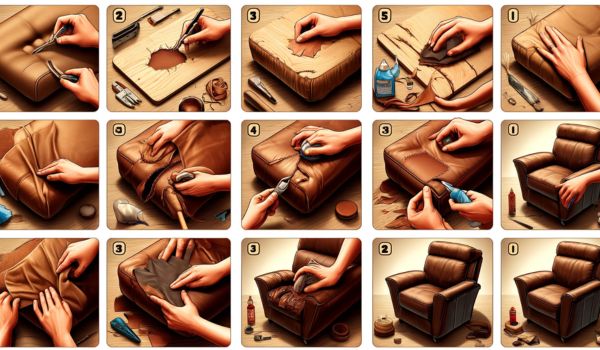
Assessing the Damage
The first step in repairing a torn leather office chair is to thoroughly examine the tear. You’ll encounter different types of damage, such as surface scratches, deep tears, or punctures. Each type requires a specific repair strategy that aligns with the leather’s condition and the tear’s severity. Understanding the type of tear will guide you in selecting the appropriate repair method, ensuring the final result is both effective and visually appealing.
Cleaning and Preparing the Leather
Before you proceed with the actual repair, the area around the tear must be cleaned. This step ensures that the repair materials adhere properly and the finish remains consistent. Use a soft cloth and a gentle cleaner designed for leather to wipe down the area. After cleaning, carefully trim any frayed edges around the tear to prepare the leather for patching, creating a clean, smooth surface for the repair.
Internal Patching Technique
For a robust repair, particularly with deeper tears, an internal patch is recommended. Start by cutting a sub-patch that comfortably covers the tear from the inside. The material for the sub-patch should be flexible yet durable, typically a piece of leather or a strong fabric. Carefully insert the sub-patch under the tear, ensuring it lies flat and extends beyond the edges of the tear for secure adhesion.
Applying Adhesive
Choosing the right adhesive is critical for a successful repair. Opt for a leather adhesive that offers flexibility and a strong bond without leaving a stiff or bulky residue. Apply the adhesive sparingly to avoid seeping through and staining the leather surface. Use a small tool, like a spatula or toothpick, to spread the adhesive evenly under the edges of the tear, securing the sub-patch in place.
Reinforcing and Blending
Once the patch is in place and the adhesive has dried, check the edges of the repair to ensure they are smooth and well-integrated with the surrounding leather. If the color of the patch differs from the original material, consider applying a leather colorant. Choose a colorant that matches the chair’s color as closely as possible. Apply it gradually, blending it outwards to create a seamless transition that masks the repair.
By following these steps, you can effectively repair a tear in your leather office chair, restoring its appearance and functionality. This not only extends the life of your chair but also maintains the professional look of your office space.
Finishing Touches
After the repair is complete, it’s crucial to condition the leather. Conditioning not only restores moisture lost during the cleaning and repairing process but also enhances the leather’s flexibility, reducing the likelihood of future tears. Use a high-quality leather conditioner, applying it gently over the entire chair, focusing on the repaired area. This will help blend the repair into the rest of the chair and keep the leather supple.
Tips for Drying and Setting the Repaired Area
Allow the repaired area ample time to dry completely before using the chair. This typically takes several hours, depending on the adhesive and environmental conditions. Avoid direct heat or sunlight, which can cause the leather to warp or the adhesive to weaken. Instead, let the chair dry naturally in a well-ventilated space.
Maintaining Your Office Chair
Regular maintenance is key to prolonging the life of your leather office chair. Clean the leather gently with a suitable cleaner at regular intervals to prevent dirt buildup that can degrade the material. Keep the chair away from direct sunlight and heat sources to prevent drying and cracking. Regularly check for signs of wear and address them promptly before they develop into larger issues.
Do’s and Don’ts in Handling Leather Furniture
- Do: Use a soft cloth for cleaning and drying.
- Don’t: Use harsh chemicals or abrasive cleaners.
- Do: Keep sharp objects away from the chair.
- Don’t: Overload the chair or use it in ways it was not intended to be used.
Troubleshooting Common Repair Issues
Sometimes, despite careful repairs, issues can arise that may require additional attention:
Mismatched Color
If the colorant used does not perfectly match the original leather, apply additional layers, blending outward until the color is uniform. It may also be beneficial to treat the entire chair with the colorant for a consistent finish.
Stiffness in the Repaired Area
If the repaired area feels stiffer than the surrounding leather, additional conditioning may help. Apply leather conditioner more liberally, and massage the area to improve flexibility.
Adhesive Failure
Should the adhesive not hold, it may be necessary to reapply a different type of adhesive or ensure that the area is cleaner and free from oils before reapplying.
By addressing these common repair issues and following the maintenance tips provided, you can ensure your leather office chair remains both functional and stylish for years to come.
Conclusion
Timely repairs of leather office furniture are crucial not only for maintaining aesthetics but also for ensuring longevity. By addressing tears and wear promptly, you prevent minor issues from escalating into major damage, thereby saving on potential high replacement costs.
Regular maintenance, including cleaning, conditioning, and proper use, plays a pivotal role in preserving the pristine condition of your leather chairs.
Take the initiative to care for your office furniture with the steps outlined in this guide. Not only will this enhance the professional appearance of your workspace, but it will also create a comfortable and inviting atmosphere for everyone.
Frequently Asked Questions
How do you repair a leather office chair?
To repair a leather office chair, start by cleaning the leather with a mild soap and water solution. Then, apply a leather repair kit to address scratches or tears. Finish by conditioning the leather to restore moisture and flexibility.
How can I repair my leather chair at home?
Repairing a leather chair at home involves cleaning the leather thoroughly, using a leather repair compound for any damage, and then applying a leather conditioner to rejuvenate the material. It’s advisable to test products in an inconspicuous area first.
How do you repair a leather seat on a chair?
To repair a leather seat on a chair, clean the area first, then apply a specialized leather adhesive to any tears or cracks. Patch larger damages with a matching leather piece if necessary. Finally, condition the leather to ensure it remains supple.
Can you restore leather chairs?
Yes, you can restore leather chairs. Begin by thoroughly cleaning the leather. Use a leather restorer or conditioner to repair and rehydrate the material. For severe damage, consider a professional leather repair service to ensure the best results.
