
When it comes to maintaining a professional and polished look in your office, the state of your furniture can play a significant role. Learning how to fix ripped leather office chairs is not just about saving money on replacements; it’s also about extending the life of your investment and keeping your workspace looking its best.
In this guide, we’ll explore practical steps and considerations for repairing these common damages.
Common Causes of Damage in Leather Office Chairs

Leather office chairs are prone to various types of damage, from accidental tears to wear and tear over time. One of the most frequent culprits is improper use, such as sitting on the chair with sharp objects in back pockets or excessive rubbing from desk edges.
Environmental factors also play a role; exposure to direct sunlight can dry out leather, making it brittle and more susceptible to cracking. Understanding these factors is crucial for preventing future damage and for making informed decisions when it comes to repairs.
Why Repairing Your Leather Office Chair is Crucial
Addressing rips and tears in your leather office chair promptly is essential for several reasons. First, it prevents the damage from worsening, which can lead to more costly repairs or even the need for a full replacement. Additionally, a well-maintained chair contributes to a professional ambiance in your office, which can positively influence clients’ perceptions and employee morale.
By repairing damage, you also maintain the comfort and ergonomic benefits of the chair, ensuring that it continues to provide proper support during use.
Understanding Leather and Its Care
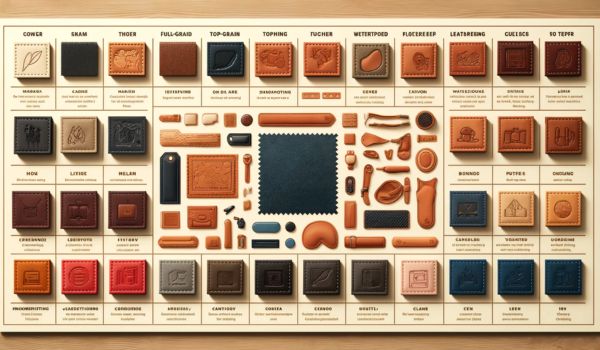
Leather office chairs come in various types, each requiring specific care strategies. Genuine leather, made from animal hide, offers durability and comfort but needs regular conditioning to maintain its suppleness and prevent cracks. Bonded leather, which is made from scraps and polyurethane, is more susceptible to peeling and requires careful handling to extend its life.
Faux leather, a synthetic alternative, offers easier maintenance but may not breathe as well as genuine leather, affecting comfort during long sitting periods.
For all types of leather, basic care includes keeping the chair clean and free from dust and debris, using a soft cloth and approved leather cleaners. Avoid harsh chemicals that can strip the leather’s natural oils. Regular conditioning is also vital; a quality leather conditioner can keep the material soft and prevent cracking, which is essential for both appearance and durability.
Related Post
- how to fix a peeling office chair
- how to repair torn leather office chair
- can you repair cat office chair
Assessing the Damage
Before you dive into the process of fixing your ripped leather office chair, it’s crucial to thoroughly assess the damage. This initial evaluation will determine the feasibility of a DIY repair or if professional services are needed.
How to Examine the Extent of the Rip or Tear
Start by cleaning the area around the rip gently with a soft cloth and a suitable cleaner to remove any dust and debris. This ensures you have a clear view of the damage. Examine the tear’s length, depth, and location. Small, clean cuts or minor tears are typically manageable at home.
However, if the tear is jagged, extensive, or located in a highly visible or structurally integral part of the chair, professional assessment might be warranted.
Deciding Whether the Chair Can Be Repaired at Home or Needs Professional Attention
Consider the size and complexity of the damage. A rule of thumb is that if the tear is longer than a few inches, or if it involves the chair’s stitching or a seam, professional repair might be the best option to restore its aesthetic and functional integrity.
For smaller tears or wear, a home repair can be a quick and cost-effective solution.
Tools and Materials Needed
Having the right tools and materials is essential for a successful repair. Here’s a list to help you gather what you need:
List of Required Tools
- Leather Scissors: Sharp scissors designed for cutting leather will ensure a clean cut without further damaging the material.
- Tweezers: Useful for removing any loose threads or for positioning the sub-patch precisely under the tear.
Overview of Materials
- Leather Patches: Choose a leather patch that closely matches the color and texture of your chair’s leather. These patches can be cut to size to cover the damaged area neatly.
- Adhesive: A leather-specific adhesive will ensure a strong bond without damaging the leather. It’s important to choose an adhesive that dries clear and is flexible.
- Sub-patch Material: Typically made from a flexible fabric, sub-patch material is placed underneath the tear to reinforce the repair. This material should be durable yet thin enough not to create bulk under the patch.
With a clear understanding of the damage and the necessary tools and materials in hand, you can effectively address the repairs needed for your leather office chair, ensuring a longer lifespan and continued aesthetic appeal.
Step-by-Step Repair Guide
Fixing a ripped leather office chair can be approached through several methods depending on the extent and location of the damage. Here, we’ll outline the steps for internal and external patch methods, as well as a sewing method when applicable.
Preparing the Area
Proper preparation of the damaged area is crucial to ensure the repair holds over time and blends seamlessly with the surrounding leather.
- Cleaning the Damaged Area: Begin by gently cleaning the area with a soft cloth and a cleaner suitable for leather. This removes any oils, dust, or debris that could prevent the adhesive from bonding correctly.
- Trimming Any Frayed Edges: Use sharp leather scissors to carefully trim away any frayed edges around the tear. This helps in creating a clean, smooth surface that will make the repair less noticeable.
Internal Patch Method
For tears that do not go all the way through the leather or where minimal visibility of the repair is crucial, an internal patch is effective.
- Cutting the Sub-Patch to Size: Measure the tear and cut a piece of sub-patch material slightly larger than the tear. This ensures the entire damaged area is supported.
- Inserting and Positioning the Sub-Patch: Using tweezers, insert the sub-patch material underneath the tear. Position it so that it completely covers the underside of the tear.
- Securing the Sub-Patch with Adhesive: Apply a leather adhesive to the sub-patch and press it into place. Apply pressure to the area to ensure the adhesive bonds well. Allow it to dry according to the adhesive manufacturer’s instructions.
External Patch Method
An external patch is suitable for larger or more visible tears where adding a patch on the outside of the leather is acceptable.
- Choosing the Right Leather Patch: Select a leather patch that matches the chair’s leather in color and texture as closely as possible.
- Cutting the Patch to Size: Cut the leather patch so that it extends slightly beyond the edges of the tear in all directions.
- Applying the Patch with Adhesive: Place adhesive on the back of the patch and carefully position it over the tear. Smooth the patch down, starting from the center and moving outward to avoid air bubbles. Press firmly and allow it to dry.
Sewing Method (if applicable)
For rips where added strength is needed, or when dealing with high-stress areas, sewing can be an effective repair method.
- When and How to Use Stitching for Leather Repair: Stitching is recommended for tears along seams or where the leather is thick and can hold stitches without tearing further. Prepare the area by ensuring the edges of the tear are aligned neatly.
- Types of Stitches That Can Be Used: A cross-stitch can be particularly effective for leather repair because it holds the material firmly. Use a thick, durable thread, ideally in a color that matches the leather. Begin stitching from one end of the tear, working slowly to ensure the stitches are even and pulling the leather together tightly.
By following these detailed steps, you can effectively repair a ripped leather office chair, extending its life and maintaining its appearance and functionality.
Finishing Touches
Once the physical repair of your leather office chair is complete, applying finishing touches can significantly enhance the repair’s appearance and ensure the chair remains in good condition for longer.
- Applying Colorant or Dye to Match the Original Leather (if necessary): If the repair area stands out due to color discrepancies, using a leather colorant or dye can help. Choose a color that matches the original leather as closely as possible. Apply the dye with a small sponge or brush, blending it into the surrounding areas to avoid noticeable edges.
- Conditioning the Leather to Ensure Flexibility and Prevent Future Cracks: After the dye has dried, applying a leather conditioner is crucial. This step returns essential oils to the leather, maintaining its flexibility and preventing future dryness and cracks. Use a clean cloth to apply the conditioner in a thin, even layer.
Additional Tips and Tricks
To further improve the outcome of your repair and maintain your chair, consider the following tips and tricks:
- How to Disguise Repair Marks: Even with a well-executed repair, some marks may still be visible. One technique to help blend repair areas is to gently heat the surface with a hair dryer (on a low setting) after applying conditioner, which helps the leather absorb the conditioner more thoroughly and can reduce the visibility of marks.
- DIY Leather Repair Kit Recommendations: For those looking to handle future repairs themselves, investing in a quality DIY leather repair kit can be beneficial. Look for kits that include a variety of leather dyes, a selection of patches, adhesives, and a good leather conditioner. Some highly recommended kits include the Fortivo Leather and Vinyl Repair Kit and the Coconix Vinyl and Leather Repair Kit, both of which are well-suited for various leather repair needs and include comprehensive instructions.
By following these steps and utilizing these additional tips, you can achieve a professional-looking repair for your leather office chair, restoring its functionality and aesthetics. Regular maintenance, such as cleaning and conditioning the leather, will also play a vital role in extending the life of your chair and keeping it looking its best.
Preventative Measures
To ensure the longevity of your leather office chair, adopting regular maintenance routines and best practices for care is crucial.
- Regular Maintenance Tips for Leather Chairs: Regularly dust and vacuum your leather chair to prevent dirt buildup, which can grind into the leather and cause wear. Every few months, apply a high-quality leather conditioner to keep the leather supple and prevent cracks.
- Best Practices to Avoid Future Damage: Always use proper cleaning products designed specifically for leather. Harsh chemicals can degrade the leather’s integrity. Additionally, position your leather chair away from direct sunlight, which can fade and dry out the material. Also, avoid placing sharp objects on or near the chair to prevent accidental tears.
Conclusion
Understanding how to fix ripped leather office chairs and taking prompt action when damage occurs are vital for maintaining both their appearance and functionality.
Regular maintenance and proper handling can significantly extend the life of your chair. Encountering minor damages? Consider a DIY approach to repair your leather office chair.
Not only does this save money, but it also empowers you to take care of your office furniture, ensuring it continues to serve you well without the need for frequent replacements. Embrace these practices to enhance the durability and aesthetics of your workspace.
Frequently Asked Questions
Can ripped leather be repaired?
Yes, ripped leather can be repaired using various methods such as leather patches, adhesives, or a professional restoration service, depending on the extent of the damage and the desired finish.
Can a leather chair be repaired?
Absolutely, a leather chair can be repaired by reupholstering the damaged areas or using repair kits specifically designed for leather, which include compounds that blend well with the original material.
How do you cover a ripped leather chair?
To cover a ripped leather chair, you can use a leather repair kit, which typically includes a compound to fill the tear and dyes to match the existing leather color, or simply use a stylish throw or slipcover.
How to fix a ripped leather?
Fixing ripped leather usually involves cleaning the area, applying a leather adhesive, and pressing a matching leather patch over the tear. It’s important to ensure the repair blends seamlessly with the surrounding material.
What is the best glue for ripped leather?
The best glue for ripped leather is a flexible, waterproof leather adhesive designed specifically for leather repairs. This type of glue ensures a durable bond without stiffening the leather, maintaining its natural look and feel.
