
Thinking about turning your manual recliner into a power recliner? It’s a fantastic idea that can add a whole new level of comfort and convenience to your relaxation routine. Recliners are a staple in many homes due to their comfort, but manually adjusting them can be a bit of a hassle.
Power recliners, on the other hand, offer the luxury of adjusting your seat with just the push of a button. Let’s explore how you can make this transformation.
Understanding Recliners
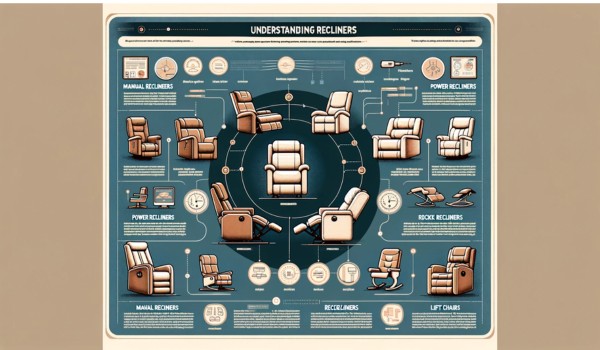
Before diving into the conversion process, it’s essential to understand the different types of recliners and their components. Recliners come in two primary forms: manual and power.
Manual vs. Power Recliners
Manual recliners rely on a lever or push mechanism to recline. While they are straightforward and reliable, they require physical effort, which might not be ideal for everyone. Power recliners, however, are equipped with an electric motor and a control panel, allowing you to adjust your seating position effortlessly.
Key Components
- Manual Recliners: These typically include a lever, springs, and a reclining mechanism that operates through physical force.
- Power Recliners: These include an electric motor, control panel, wiring, and often a power supply.
Planning the Conversion
Converting a manual recliner into a power recliner involves a bit of planning and preparation. Here’s what you need to know.
Assessing Suitability
Not all manual recliners are suitable for conversion. Check if your recliner has enough space to accommodate the motor and wiring. The frame should be sturdy enough to support the additional components.
Tools and Materials
To begin the conversion, you’ll need a power recliner conversion kit, which includes the motor and control panel. You’ll also need basic tools like screwdrivers and wrenches, electrical components for wiring, and safety equipment such as gloves and safety glasses.
Conversion Kit
A power recliner conversion kit is essential. It typically includes the electric motor, control switch, and necessary wiring. Make sure the kit is compatible with your recliner model.
Basic Tools
Ensure you have the right tools:
- Screwdrivers and wrenches: For removing and attaching parts.
- Electrical components: Wires and connectors for setting up the motor.
- Safety equipment: Gloves and safety glasses to protect yourself during the process.
Safety First
Always prioritize safety. Wear gloves to protect your hands and safety glasses to shield your eyes from any debris.
Selecting the Right Power Recliner Kit
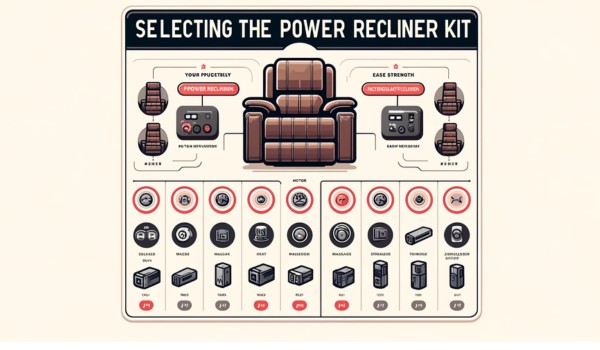
When it comes to converting your recliner, choosing the right power recliner kit is crucial. There are various types of conversion kits available, each catering to different needs and preferences.
First, let’s look at the types of power recliner conversion kits available. Basic motorized kits typically include the essential components needed to convert your manual recliner into a power one. These kits come with an electric motor and a control panel, allowing for basic reclining functions. On the other hand, advanced kits offer additional features such as massage and heat functionalities, providing an enhanced experience.
When selecting a kit, there are several factors to consider. Compatibility is paramount. Ensure that the kit you choose is compatible with your specific recliner model. This involves checking the dimensions and the space available for the motor and wiring. Budget is another critical consideration. Basic kits are usually more affordable, while advanced kits with extra features come at a higher cost. Lastly, think about the additional features and functionalities you desire. If you want a more luxurious experience, investing in a kit with massage and heat functions might be worthwhile.
Preparing for the Conversion
Preparation is key to a successful conversion. Before you begin, take some safety precautions and set up a suitable workspace. Make sure you have all the necessary tools and materials within reach, and wear protective gear such as gloves and safety glasses.
Start by disassembling your manual recliner. Begin with removing the backrest. This usually involves loosening a few screws and carefully lifting the backrest off. Next, detach the footrest and any other movable parts. Keep all screws and small components in a safe place to avoid losing them.
With the recliner disassembled, you’re ready to start the conversion process. Follow the steps outlined in the conversion kit’s instructions carefully to ensure a smooth and successful transformation.
Installing the Power Mechanism
Now that your recliner is disassembled, it’s time to install the power mechanism. This process requires careful attention to detail to ensure everything functions correctly.
Begin by positioning the motor in the designated space within the recliner frame. It’s important to place the motor securely to prevent any movement during operation. Once positioned, secure the motor to the recliner frame using the provided brackets and screws. Ensure it is tightly fastened to avoid any issues later.
Next, connect the motor to the footrest and backrest. This typically involves attaching specific rods or levers to the motor, which will control the reclining actions. Follow the instructions in your conversion kit carefully to make sure these connections are done correctly.
Wiring and electrical connections are the next step. Connect the motor’s wiring to the control panel or remote control, ensuring all wires are properly insulated and secured. Once the wiring is complete, connect the motor to the power source. This might involve plugging into a standard outlet or integrating a battery pack, depending on your kit.
Finally, integrate the control panel or remote control into the recliner. This control panel allows you to operate the reclining mechanism easily. Secure it in a convenient location, often on the side of the recliner, and ensure it is easily accessible.
Reassembling the Recliner
With the power mechanism installed, it’s time to reassemble your recliner. Start by reattaching the backrest, ensuring it aligns correctly with the frame. Secure it with the screws you set aside earlier. Follow the same process for the footrest and any other movable parts.
Ensure all components are securely fastened. Double-check all screws and connections to make sure nothing is loose. This step is crucial for both safety and functionality.
Finally, test the power mechanism for functionality. Plug in the recliner or activate the battery pack and use the control panel or remote to operate the reclining functions. Check that the footrest and backrest move smoothly and that all features, such as massage or heat (if included), are working correctly.
By following these steps, you’ve successfully transformed your manual recliner into a power recliner, enhancing both comfort and convenience. Enjoy your upgraded seating experience!
Troubleshooting and Adjustments
Once you’ve installed the power mechanism and reassembled your recliner, you might encounter some issues. Here’s how to troubleshoot and make necessary adjustments:
One common issue is the motor not working. If this happens, first check the power source. Ensure the recliner is plugged in properly, and if it’s battery-operated, check the battery charge. Next, inspect all wiring connections. Loose or improperly connected wires can prevent the motor from functioning. If the wiring is secure and the motor still doesn’t work, there might be an issue with the motor itself, and you may need to contact the manufacturer for assistance.
Control panel malfunctions are another frequent problem. If the control panel isn’t responding, check the connections between the control panel and the motor. Ensure all wires are connected correctly and securely. If the problem persists, the control panel might be faulty and may need to be replaced.
Mechanical adjustments might also be necessary. If the footrest or backrest doesn’t move smoothly, check the connections between the motor and these components. Adjust any rods or levers to ensure they are properly aligned and secured.
Fine-tuning the recliner is essential for comfort and smooth operation. Test the recliner and make minor adjustments to the motor’s positioning or the tension of the reclining mechanisms. This ensures the recliner operates smoothly and comfortably.
Safety Considerations
Electrical safety is paramount when converting a recliner to a power recliner. Always follow the manufacturer’s instructions for wiring and electrical connections. Use insulated tools and wear protective gear to prevent electrical shocks. Ensure that all electrical components are properly insulated and secure.
Regular maintenance and inspection are crucial for the longevity and safety of your power recliner. Periodically check the wiring, motor, and control panel for any signs of wear or damage. Tighten any loose screws and ensure that all components are functioning correctly.
Ensuring the stability and durability of the converted recliner is also important. Make sure that the recliner sits firmly on the ground and does not wobble. Check that all parts are securely fastened and that the recliner can support the user’s weight without any issues.
By addressing these troubleshooting steps and adhering to safety considerations, you can enjoy the benefits of your newly converted power recliner with peace of mind.
Additional Enhancements and Customizations
After successfully converting your manual recliner into a power recliner, you might consider adding some extra features to enhance your comfort and enjoyment. One popular addition is massage and heating elements. Many advanced conversion kits include these features, but you can also purchase separate kits to add them. These features can significantly enhance your relaxation experience, providing therapeutic benefits.
Upholstery and aesthetic upgrades are another way to customize your recliner. Consider reupholstering the chair with new fabric or leather to match your home decor. This not only refreshes the look of your recliner but can also add to its comfort.
Enhancing the recliner’s ergonomics is essential for long-term use. You can add additional padding or lumbar support to improve comfort. Adjustable headrests and footrests can also be installed to ensure that the recliner meets your personal comfort needs perfectly.
Conclusion
Converting a manual recliner into a power recliner is a rewarding DIY project that enhances comfort and convenience. By following a step-by-step process, you can enjoy the benefits of easy adjustments and added features like massage and heating. This upgrade not only improves your relaxation experience but also adds value to your furniture. Embark on this project with confidence, knowing that with careful planning and execution, you’ll achieve a fantastic result.
Frequently Asked Questions
Can you convert a manual recliner to power?
Yes, you can convert a manual recliner to a power recliner with a conversion kit. These kits include the necessary motor and controls, and installation usually requires basic tools and some DIY skills.
Can you convert a regular recliner to a lift recliner?
Converting a regular recliner to a lift recliner is possible with a lift mechanism kit. This involves installing a motorized lift base, allowing the recliner to assist users in standing up more easily.
How are recliners powered?
Recliners are powered by electric motors that control the reclining and lifting mechanisms. These motors are typically plugged into a standard electrical outlet or powered by a rechargeable battery pack.
How do you hook up a recliner to a power pack?
To hook up a recliner to a power pack, connect the recliner’s power cord to the power pack’s output socket. Ensure the power pack is charged or plugged into an outlet, then secure any loose wires to avoid tripping hazards.
Is it better to get a power or manual recliner?
Choosing between a power or manual recliner depends on your needs. Power recliners offer ease of use and additional features, while manual recliners are simpler, more affordable, and do not require an electrical source.
Do power recliners use a lot of electricity?
Power recliners use minimal electricity, similar to small household appliances. They are energy-efficient, consuming power only when adjusting positions, making them economical to use regularly.
