
Can you use a power recliner manually? This is a question many people ask, especially when faced with the potential for power outages or mechanical failures. In this article, we aim to dive deep into this topic, providing a thorough understanding of power recliners, their components, and what to do if you ever need to operate one manually.
Understanding the manual operation of power recliners is not just a matter of convenience but can also be crucial in emergency situations.
Understanding Power Recliners
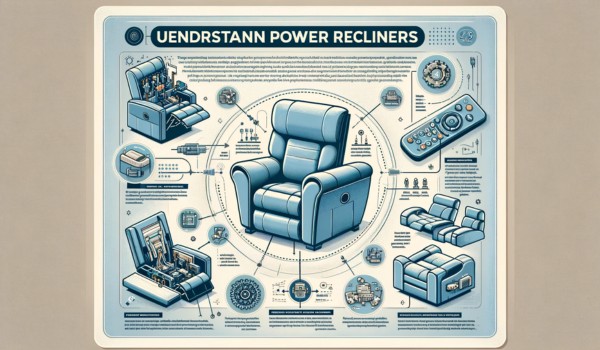
Power recliners are a modern marvel in home comfort. Unlike traditional manual recliners, power recliners come equipped with an electric motor that allows users to adjust the chair’s position with the push of a button. This feature makes them highly convenient and accessible, especially for individuals with mobility issues.
These recliners typically consist of several key components: a motor that controls the reclining mechanism, a remote control or built-in buttons for operation, and a power source, usually a plug-in power adapter or a battery pack.
The motor is the heart of the recliner, enabling smooth and effortless adjustments. The remote control adds an element of ease, allowing users to find their perfect seating position without having to get up.
One of the biggest advantages of power recliners over manual recliners is their ease of use. For individuals with limited strength or dexterity, power recliners eliminate the need for physical effort. Additionally, power recliners often come with advanced features such as massage functions, heat settings, and customizable seating positions, providing a level of comfort and luxury that manual recliners can’t match.
Scenarios Where Manual Operation is Necessary
When considering if you can use a power recliner manually, it’s important to identify scenarios where manual operation becomes essential. Here are a few common situations:
Power Outage Situations
Imagine you’re enjoying a relaxing evening in your power recliner, and suddenly, the power goes out. Without electricity, your recliner might seem unusable. In such cases, knowing whether your power recliner can be manually adjusted becomes crucial.
Some power recliners come with a battery backup system, but not all models have this feature.
Remote Control Malfunction
Remote controls can be a point of failure in power recliners. Whether the batteries die, the remote gets lost, or it simply stops working, a malfunctioning remote can leave you in a fixed position.
Understanding how to operate the recliner without relying on the remote control can help you avoid discomfort and inconvenience.
Motor or Electrical Issues
Motors and electrical components can sometimes fail. If the motor in your power recliner stops working, knowing how to manually adjust the chair can be a lifesaver. This situation can be especially problematic if the chair is stuck in an awkward or uncomfortable position.
Temporary Manual Adjustments for Comfort
Even when everything is working perfectly, there might be times when you need to make temporary manual adjustments. This could be for quick, minor adjustments that don’t require the precision of the motorized control or if you simply prefer to make manual tweaks for a moment.
Can You Use a Power Recliner Manually?
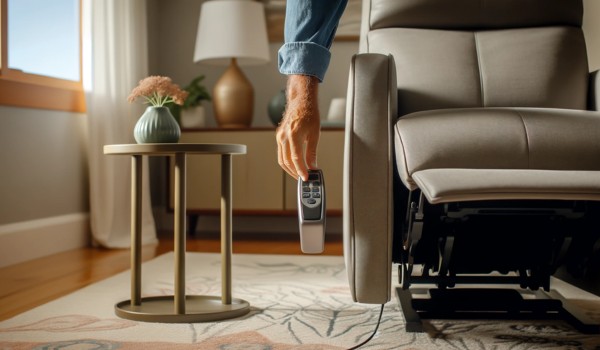
When addressing the question, “Can you use a power recliner manually?”, it is essential to consider the general limitations of power recliners. Power recliners are primarily designed for electric operation, meaning their core functionality relies on a motor and power source.
This reliance on electricity can pose significant limitations during power outages or mechanical failures, as these recliners are not inherently equipped for manual operation.
However, the necessity for manual adjustments in certain situations has led to the development of specific models with manual override features. These features are designed to provide an alternative method of operation when the power supply is unavailable or if there is a malfunction in the motor or remote control.
The manual override typically involves a lever or release mechanism that disengages the motor, allowing users to adjust the recliner by hand.
Highlighting popular brands and models can help in understanding which power recliners offer these manual override capabilities. For instance, La-Z-Boy includes battery backup systems and manual levers in some of their models, ensuring that users can still operate their recliners during power outages.
Ashley Furniture also integrates manual release options in certain power recliners, making it easy to adjust the chair even without electricity. Similarly, Catnapper provides power recliners with manual override features, ensuring flexibility and reliability in various situations.
The manual override in power recliners generally works through a straightforward process. First, locate the manual release mechanism, which is usually a lever or pull tab positioned under the chair or on the side panel. Engaging this lever disengages the motor mechanism, allowing for manual adjustments.
Once the motor is disengaged, the user can manually move the backrest and footrest to the desired position. In some models, there may be a locking mechanism to secure the recliner in place after making the manual adjustments.
Steps to Manually Operate a Power Recliner
When considering if you can use a power recliner manually, it’s crucial to understand the correct steps and safety measures. Here’s a comprehensive guide on how to manually operate a power recliner:
Safety Precautions Before Attempting Manual Operation
Before you begin, ensure your safety and the integrity of your recliner by following these precautions:
- Unplug the Recliner: Always unplug the recliner from the power source to avoid any risk of electric shock.
- Read the Manual: Consult the user manual specific to your recliner model for any manufacturer-specific instructions or warnings.
- Clear the Area: Ensure the area around the recliner is clear to prevent tripping or interference during the process.
Tools That Might Be Needed
Depending on your recliner model, you may need a few basic tools:
- Screwdrivers (Phillips and flathead)
- Allen wrenches
- Pliers
Detailed Step-by-Step Guide
Accessing the Motor Mechanism
- Position the Recliner: Tilt the recliner forward so you can access the underside of the chair.
- Locate the Motor: Find the motor and the associated components, which are typically located near the base of the recliner.
Disengaging the Motor (If Possible)
- Identify the Manual Release Lever: Look for a lever or pull tab designed for manual operation. This lever is usually marked in the user manual.
- Disengage the Motor: Pull the lever or tab to disengage the motor from the reclining mechanism. This step might require some force, but do it gently to avoid damaging any components.
Adjusting the Recliner Manually
- Adjust the Backrest: Once the motor is disengaged, manually push or pull the backrest to your desired position.
- Adjust the Footrest: Similarly, move the footrest to a comfortable position manually. You may need to apply steady pressure to adjust it correctly.
Re-engaging the Motor After Manual Adjustment
- Re-engage the Motor: Once you’ve manually adjusted the recliner, push the manual release lever or tab back to its original position to re-engage the motor.
- Test the Recliner: Plug the recliner back in and test the motor to ensure it works correctly and the recliner moves smoothly.
Troubleshooting Common Issues
Understanding common problems can help you decide when to attempt DIY fixes and when to call a professional.
Identifying Common Problems That Necessitate Manual Operation
- Power Outages: If there’s no electricity, you can’t use the motorized features.
- Remote Control Malfunctions: When the remote control fails or is lost.
- Motor Issues: If the motor stops working or makes unusual noises.
DIY Fixes for Minor Issues
- Remote Control Issues: Check and replace the batteries if needed. Ensure the remote is properly synced with the recliner.
- Loose Connections: Inspect the power connections and ensure all cables are securely plugged in.
- Obstructions: Check for any objects obstructing the reclining mechanism and remove them.
When to Call a Professional
- Persistent Motor Issues: If the motor continues to malfunction despite following manual adjustments.
- Complex Electrical Problems: For any issues involving electrical components beyond simple fixes.
- Warranty Concerns: If your recliner is still under warranty, contact the manufacturer or an authorized service provider to avoid voiding the warranty.
By following these steps and understanding the troubleshooting process, you can effectively manage your power recliner’s manual operation and address common issues confidently. This ensures that you maintain the comfort and functionality of your recliner even in challenging situations.
Pros and Cons of Manual Operation
When discussing the topic “can you use a power recliner manually,” it’s essential to weigh the pros and cons of having a manual override option.
One significant benefit of having a manual override option is the assurance of continued functionality during power outages. This feature ensures that you can still enjoy the comfort of your recliner even when the electricity is out.
Another advantage is the ability to bypass motor or remote control malfunctions, allowing you to adjust your chair manually without waiting for repairs. This can be particularly beneficial for individuals with limited mobility who rely heavily on their recliners for comfort and support.
However, there are potential risks and drawbacks to consider. Manual operation mechanisms can sometimes be challenging to access or operate, particularly for those with physical limitations.
Additionally, frequent manual adjustments may lead to wear and tear on the recliner’s components, potentially shortening its lifespan. There’s also the inconvenience factor; while a manual override is a handy feature, it lacks the ease and precision of motorized adjustments.
Comparing convenience and functionality, motorized recliners undoubtedly offer superior ease of use and a broader range of adjustments. However, the manual override serves as a crucial backup, ensuring that users are not left completely helpless in case of power or mechanical issues. Balancing these factors is key to maximizing the utility and lifespan of your power recliner.
Preventative Measures and Maintenance
To ensure the longevity and optimal performance of your power recliner, regular maintenance is essential. Here are some tips to keep both the power and manual functions in top condition:
Regular maintenance tips for power recliners include checking the motor and electrical components periodically. Ensure that all connections are secure and that there are no signs of wear or damage.
Cleaning the recliner regularly, especially around the moving parts, can prevent dirt and debris from causing malfunctions. Lubricate the mechanical parts as recommended by the manufacturer to ensure smooth operation.
To ensure the longevity of both power and manual functions, it’s crucial to use the recliner according to the manufacturer’s guidelines. Avoid exceeding the weight limit and refrain from forcing the recliner into positions manually if it’s designed for motorized use only. If your recliner has a battery backup, check and replace the batteries as needed to ensure they are always ready for use.
To avoid common problems, be proactive in addressing minor issues before they escalate. If you notice any unusual noises or resistance when adjusting the recliner, inspect it immediately to identify and fix the problem. Keep the remote control in a safe and accessible place to prevent loss or damage.
Regularly test the manual override mechanism to ensure it functions correctly when needed.
By incorporating these preventative measures and maintenance tips, you can significantly extend the lifespan of your power recliner and maintain its functionality. This proactive approach ensures that you are prepared for any situation where you might need to use the recliner manually, providing peace of mind and continuous comfort.
Alternatives to Manual Operation
While exploring whether you can use a power recliner manually is crucial, it’s also important to consider alternatives to manual operation. Investing in a backup power source, such as battery packs, can provide an immediate solution during power outages. Many modern power recliners come with optional battery backup systems that allow the chair to operate even without electricity.
Keeping spare remote controls is another practical measure. Since remote controls can be easily lost or damaged, having an extra one ensures that you can always control your recliner. Storing the spare remote in a known, safe place will save you from inconvenience when the primary remote is unavailable.
Professional repair services are a valuable resource for maintaining the functionality of your recliner. Regular servicing by qualified technicians can prevent and address mechanical and electrical issues before they become significant problems. It’s advisable to schedule periodic maintenance checks to ensure that all components of your recliner are in good working condition.
Conclusion
In conclusion, understanding if you can use a power recliner manually is vital for preparedness and convenience. While manual operation is possible in some models and can be a lifesaver during power outages or malfunctions, investing in alternatives like backup power sources, spare remote controls, and professional repair services can provide additional security and ease.
Regular maintenance and being prepared for potential issues ensure that your recliner remains a reliable source of comfort.
Considering these factors will enhance the overall longevity and functionality of your power recliner, ensuring you can enjoy its benefits without interruption.
Frequently Asked Questions
Is there a manual override for electric recliners?
Yes, some electric recliners come with a manual override feature, allowing you to adjust the chair manually in case of a power outage or malfunction. This feature ensures you can still use the recliner without electricity.
Do power recliners work without power?
No, power recliners require electricity to function. However, models with battery backup can operate temporarily during power outages. Without power or a backup battery, the recliner remains in its last position until power is restored.
What happens to an electric recliner if the power goes out?
If the power goes out, an electric recliner will stay in its current position. Some models have battery backup systems that allow limited use during an outage, but without this feature, the recliner won’t move until power is restored.
Which is better, a power or manual recliner?
The choice between a power and manual recliner depends on personal preference and needs. Power recliners offer convenience and ease of use with push-button controls, while manual recliners are typically more affordable and don’t require electricity.
Can you convert electric recliners to manual?
Converting electric recliners to manual operation is generally not feasible. The mechanisms are designed differently, and manual operation would require significant modifications. It’s advisable to choose the type that best suits your long-term needs.
Is there a manual release on power chairs?
Some power chairs have a manual release feature that allows you to recline or return the chair to its upright position without power. This feature is useful during power outages or if the motor fails, ensuring continued usability.
