
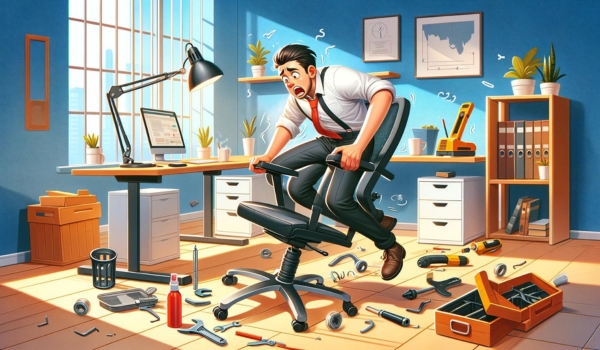
Diving right into the heart of workspace woes, “How to fix a sinking office chair” is a question that echoes through the silent despair of cubicles and home offices alike. It’s a common plight, where one moment you’re perched comfortably, surveying your domain, and the next, you’re sinking faster than your abandoned New Year’s resolutions.
The importance of a well-functioning office chair cannot be overstated—it’s the steed upon which you ride through the battles of daily tasks and deadlines. A chair that sinks is more than a minor inconvenience; it’s a direct threat to your comfort, productivity, and even your health. In this article, we’ll explore the depths of this issue, covering everything from the mechanics behind the sinking despair to practical solutions that’ll have you rising to the occasion.
Table of Contents
Understanding the Problem

Why Office Chairs Sink
The mystery of the sinking chair is not as complex as it might seem. At its core, the problem often stems from wear and tear of components or issues with the hydraulic cylinder, the heart of the chair’s height adjustment system. Imagine the hydraulic cylinder as the spine of your chair. Just as a spine supports the body, the cylinder supports your seat. Over time, this support can weaken, leading to a gradual, or sometimes sudden, descent.
The Culprits: Wear and Tear and Hydraulic Cylinder Issues
Wear and tear is an inevitable consequence of daily use. Each spin, swivel, and adjustment takes its toll on the chair’s mechanisms. The hydraulic cylinder, in particular, is prone to failure. This cylinder relies on a sealed air pressure system to keep you aloft. Like any seal, it can degrade, resulting in a loss of pressure and, consequently, height.
The Impact on Posture and Ergonomics
The repercussions of a sinking chair extend beyond mere annoyance. Ergonomics—the science of designing the workplace to fit the worker—dictates that a properly adjusted chair is crucial for maintaining good posture. A chair that can’t hold its height forces you into a slouch, straining your back, neck, and shoulders. This not only affects your comfort but can also lead to long-term health issues, making “how to fix a sinking office chair” a question of well-being, not just convenience.
Identifying the Cause
Before we dive into the nuts and bolts of how to fix a sinking office chair, it’s crucial to play detective. Pinpointing the culprit behind your chair’s descent into the depths is the first step in our quest. This part of the journey involves inspecting various chair components to unearth the source of the problem. Let’s get our hands dirty, shall we?
Inspecting the Pneumatic Cylinder
The pneumatic cylinder, often the main suspect in the case of a sinking chair, is where our investigation begins. This component is like the magic wand of your chair, responsible for lifting you up and letting you down—literally. If it’s failing, you’ll find yourself on a slow (or quick) ride to the ground. Checking it involves looking for signs of oil leakage or hearing hissing sounds, which are dead giveaways that the cylinder’s seal is compromised.
Examining the Seat Adjustment Lever
Next on our inspection tour is the seat adjustment lever. This lever is your chair’s command center, dictating height and sometimes tilt. A malfunction here can leave you stranded at sea level. Give the lever a good workout, ensuring it’s properly engaging with the pneumatic cylinder. If it’s loose or not catching, it could be why your chair’s altitude adjustments are more fantasy than reality.
External Chair Components
Last but not least, a thorough examination of external chair components is in order. This includes the base, wheels, and the seat itself. Look for any visible damage or wear that could contribute to your sinking dilemma. Sometimes, the issue might be as simple as a loose screw or a cracked base, easily overlooked yet easily fixed once identified.
Tools and Materials Needed
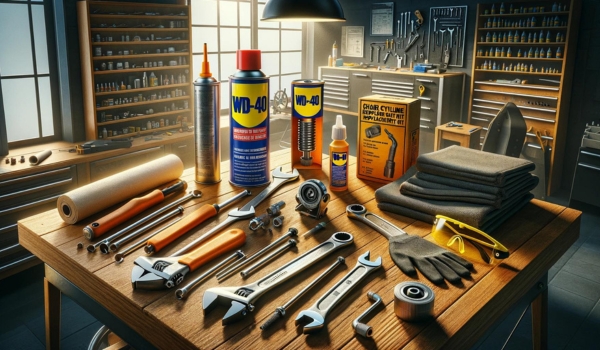
Embarking on the quest of “how to fix a sinking office chair” is akin to preparing for a small yet significant adventure. Just as every craftsman needs their toolkit, you too will require a specific set of tools and materials to tackle this challenge head-on. This arsenal is not just about having the right equipment but understanding the power and purpose behind each item. Let’s break down the essentials you’ll need to rise above this sinking situation.
Adjustable Wrench
The adjustable wrench is your go-to tool for tweaking nuts and bolts that have loosened over time, contributing to your chair’s instability. Its adjustable jaw allows it to fit a wide range of fastener sizes, making it a versatile ally in your repair endeavors.
Pipe Wrench
The pipe wrench, with its sturdy grip and formidable leverage, is particularly useful when dealing with the chair’s pneumatic cylinder. This tool is essential for those moments when you need to remove parts that seem as though they’ve become one with the chair over the years.
Lubricant (E.g., WD-40)
A good lubricant like WD-40 is the secret sauce to any repair job. It’s not just about easing the disassembly and reassembly process; it’s about ensuring that every part moves smoothly, without friction or resistance. Think of it as the elixir that rejuvenates your chair’s moving parts, breathing new life into old mechanisms.
Chair Cylinder Replacement Kit
Often, the heart of the sinking issue lies within the chair’s pneumatic cylinder. When this is the case, a chair cylinder replacement kit is your knight in shining armor. This kit contains all you need to replace the faulty cylinder, restoring your chair’s ability to hold its ground (or height, in this case).
Safety Equipment: Gloves and Safety Glasses
Never underestimate the importance of safety equipment. Gloves protect your hands from sharp edges and potential irritants, while safety glasses shield your eyes from debris and accidental sprays (looking at you, WD-40). These items are the unsung heroes of any repair job, ensuring you emerge victorious without battle scars.
Step-by-Step Repair Guides
Navigating the choppy waters of a sinking office chair requires a map, a compass, and sometimes, a little bit of pirate-like ingenuity. “How to fix a sinking office chair” isn’t just a question—it’s a call to arms. Let’s arm ourselves with knowledge and dive into the step-by-step repair guides that will not only save your chair but might also elevate your DIY skills.
Tightening Loose Components
Instructions on Tightening Screws and Bolts
Begin your repair journey by exploring the nuts and bolts of the situation—quite literally. Over time, the screws and bolts that keep your chair together might loosen, leading to instability and sinking. Arm yourself with a screwdriver or an Allen wrench, and tighten these components with zeal. This simple step can often provide a quick fix to what might feel like a sinking ship.
Ensuring the Base is Securely Attached to the Seat
The relationship between the seat and its base is foundational—literally. A loose connection here can lead to all sorts of trouble, including that sinking feeling. Make sure the base is firmly attached to the seat, with no wiggle room for doubts or instability. A stable base is your first line of defense against the sinking menace.
Replacing the Gas Cylinder
Step-by-Step Guide on Removing the Old Cylinder
When the going gets tough, the tough get going—on replacing the gas cylinder. This component is often the heart of the problem. Begin by turning your chair upside down and using a pipe wrench to loosen the cylinder. Some elbow grease may be required, but perseverance pays off. Removing the old cylinder can be a battle, but it’s one worth fighting.
Installing a New Cylinder
With the old cylinder vanquished, it’s time to install the new one. Slide the new cylinder into place, ensuring it’s seated properly. This step is crucial for your chair’s functionality and your victory over the sinking saga. A properly installed cylinder means a stable and reliable seat, ready to support you through thick and thin.
Tips for Ensuring a Secure Fit and Proper Functionality
To ensure your efforts aren’t in vain, double-check the fit and functionality of the new cylinder. A test sit can be both a moment of truth and a victory lap. Feel for stability, adjust the height, and ensure everything feels as it should. A secure fit means you’ve successfully navigated the treacherous waters of chair repair.
Alternative Fixes without Replacement Parts
Hose Clamp Method
For those seeking a solution without diving into the depths of cylinder replacement, the hose clamp method offers a lifeline. This involves securing a hose clamp around the cylinder, preventing it from sinking. It’s a quick fix, a band-aid, but sometimes, that’s all you need to keep sailing smoothly.
PVC Pipe Method
Another innovative solution is the PVC pipe method. This involves cutting a piece of PVC pipe and fitting it around the cylinder, providing support and preventing the chair from sinking. It requires some measurement and cutting but offers a sturdy solution to the sinking dilemma.
Maintenance Tips to Prevent Future Issues
Embarking on the journey of “how to fix a sinking office chair” teaches us not just about repair, but also about prevention. Ensuring the longevity of your office chair involves a few key practices that can keep you from returning to the troubleshooting table.
Regular Cleaning and Lubrication
The secret to a long-lasting office chair lies in its upkeep. Regular cleaning and lubrication of moving parts can prevent the accumulation of dust and debris, which often contributes to mechanical failures. A spritz of lubricant on the pneumatic cylinder and wheel bearings every few months can keep the action smooth and prevent the dreaded descent.
Periodic Inspections for Wear and Tear
Like any trusty steed, your office chair requires periodic inspections to catch signs of wear and tear before they lead to bigger problems. Pay attention to the condition of the wheels, the stability of the base, and the responsiveness of the adjustment mechanisms. Early detection of issues can save you a significant amount of effort and expense in the long run.
Recommendations for Usage and Adjustment to Minimize Damage
Mindful usage and adjustment of your office chair can also play a crucial role in its preservation. Avoid leaning too far back or using the chair as a step ladder, as these actions can strain the mechanism and structure. Proper adjustment according to your height and desk setup not only enhances comfort but also ensures even wear and tear.
When to Seek Professional Help
While the spirit of DIY can take us far, recognizing when to call in the cavalry is a wisdom of its own. Some issues with office chairs might require professional repair or replacement.
Identifying Issues That Might Require Professional Repair or Replacement
If your chair suffers from structural damage, such as a broken base or a severely damaged cylinder that defies all attempts at repair, it might be time to seek professional help. Additionally, if the chair is under warranty, it’s often more sensible to return it for repair or replacement.
List of Problems That Might Be Beyond the Average DIY Fix
Complex mechanical failures, irreparable damage to the adjustment mechanisms, or issues that compromise the chair’s safety are all signs that professional intervention is needed. When in doubt, consulting with a professional can prevent further damage to the chair or, more importantly, to yourself.
Conclusion
Navigating the choppy waters of “how to fix a sinking office chair” leads us to a safe harbor of understanding, not just about repair, but also about the care and maintenance that prolongs the life of our office furniture. We’ve explored the tools, techniques, and tips to lift your spirits and your seat. This journey underscores the importance of addressing office chair issues promptly, ensuring that your focus remains on productivity and comfort.
Frequently Asked Questions
How do I stop my office chair from sinking?
To stop your office chair from sinking, tighten all screws and bolts, apply lubricant to the pneumatic cylinder, or use a hose clamp or PVC pipe to secure the cylinder in place. These methods can provide a temporary or permanent fix.
Can you fix the hydraulics on an office chair?
Yes, you can fix the hydraulics on an office chair by replacing the faulty pneumatic cylinder. Purchase a replacement cylinder designed for your chair model, remove the old one, and install the new one following the manufacturer’s instructions.
How do you fix an office chair that won’t stay elevated?
Fixing an office chair that won’t stay elevated often involves replacing the pneumatic lift cylinder. This component is responsible for maintaining the chair’s height, and once it fails, a replacement is typically the most effective solution.
How do you fix an unstable office chair?
To fix an unstable office chair, check and tighten all screws and bolts. Inspect the base and wheels for damage. If the chair wobbles due to an uneven floor, consider using a chair mat or replacing damaged components.
Why is my office chair always sinking?
Your office chair is always sinking due to a failing pneumatic cylinder, which loses its ability to hold air pressure over time. This is the most common reason chairs fail to maintain their height.
Why is my office chair sinking?
An office chair sinks because the pneumatic lift, which controls the height adjustment, is no longer able to maintain pressure. This can be due to wear and tear or damage to the cylinder itself.
Important Articles:
How to fix an office chair that won’t go up
How do I stop my office chair from leaning back
How to block an office chair to rock back

Julie D. Williams is a seasoned chair connoisseur with a decade in the furniture realm. She combines her keen eye for design and deep knowledge of ergonomics to provide readers with reviews and guides, ensuring comfort and style in every recommendation. Each piece is a fusion of aesthetics and function, tested and approved by Julie. A believer in the power of the perfect seat to transform spaces, she’s your go-to source for impeccable finds. When not reviewing chairs, Julie is on the hunt for vintage décor, weaving comfort and beauty into every aspect of life.