
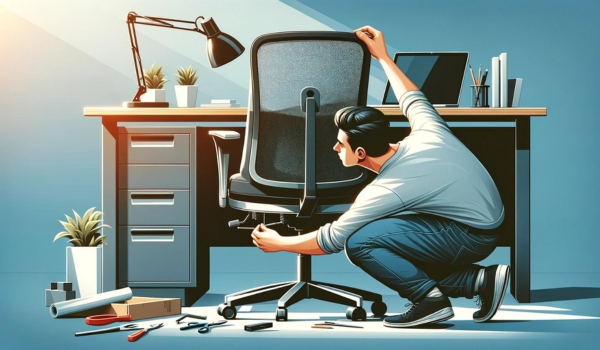
Ever found yourself asking, “How do I stop my office chair from leaning back?” You’re not alone. This modern-day conundrum can be as perplexing as it is frustrating, especially when all you want is to sit comfortably and get through your workday. The issue of chairs leaning back when they’re not supposed to affect not just your posture but also your concentration and productivity. It’s a challenge that demands attention, not just for the sake of your comfort but for maintaining the integrity of your workspace harmony.
Table of Contents
Understanding the Mechanics of an Office Chair
The Inner Workings: A Closer Look
At the heart of the matter, understanding how office chairs function is crucial in solving the mystery of “How do I stop my office chair from leaning back?” The tilt mechanism plays a pivotal role here. It’s what allows your chair to recline, offering you comfort during long working hours. However, when it starts to act up, and your chair leans back too freely, it’s time to dive into the mechanics behind the throne.
Decoding Tilt Mechanisms
Office chairs come with a variety of tilt mechanisms, such as knee-tilt, center-tilt, and synchro-tilt, each offering a different sitting experience. The knee-tilt mechanism, for instance, pivots from under the knee, allowing for a more comfortable recline that doesn’t lift your feet off the ground. Center-tilt, on the other hand, pivots from the seat’s center, making it feel like you’re rocking back in the chair. Synchro-tilt provides a more ergonomic option, with the seat and backrest tilting simultaneously at a fixed ratio, supporting a more natural movement.
Identifying Your Chair’s Type
Knowing which tilt mechanism your chair uses is the first step in answering “How do I stop my office chair from leaning back?” This knowledge not only helps you understand the source of the problem but also guides you toward the appropriate adjustments or fixes. Each mechanism has its unique quirks and features, and identifying yours is crucial in applying the right solution to keep your chair in check and your workday uninterrupted.
Preliminary Checks and Quick Fixes

Ever found yourself pondering, “How do I stop my office chair from leaning back?” You’re certainly not sailing in this boat alone. Before you declare a state of emergency, let’s walk through some simple yet effective checks and fixes that can often right the ship with minimal effort.
Dive into the Weight Limit
First and foremost, consider the weight limit of your chair. It’s an easy detail to overlook, but crucial. Chairs are designed with specific capacities in mind, and exceeding this can lead to all sorts of rebellious behavior, including unwanted reclining. Check your chair’s manual or the manufacturer’s website to ensure you’re within bounds.
Inspect for Damage
Next, play detective and inspect your chair for visible signs of wear and tear. From frayed fabrics to cracks in the material, these can be telltale signs that your chair is giving way under pressure, literally. This inspection can often reveal simple solutions, such as tightening a few bolts or replacing a part.
Tightening Time
Speaking of tightening, loose bolts and screws are often the culprits behind the question, “How do I stop my office chair from leaning back?” Grab a screwdriver and give those fasteners a good twist. It’s amazing how often a little elbow grease can solve the biggest of woes.
Tension Adjustment
Lastly, don’t ignore the tension knob or dial. This little gadget controls the resistance of the tilt mechanism, and a quick adjustment can transform your chair from a lean-back lounge to a straight-up workhorse. Play around with it until you find the sweet spot that keeps you upright and focused.
Advanced Troubleshooting Techniques
If the preliminary checks don’t cut it, and you’re still lamenting, “How do I stop my office chair from leaning back?” it’s time to roll up your sleeves for some advanced troubleshooting.
Tilt Tension Tactics
The tilt tension is like the heart of your chair’s reclining function. If adjusting it through the usual knob or lever doesn’t work, it might need a more thorough inspection. This could involve removing the base to get a better look at the mechanism. If you’re comfortable with tools, this can be a DIY job, but caution and a good guide are key.
Dealing with Defects
When the tilt mechanism itself is broken or malfunctioning, it’s a whole different ballgame. This might manifest as a chair that leans back too easily or one that won’t recline at all. In some cases, lubrication can help, but often, parts need to be replaced. Identifying the broken component is step one, followed by a trip to the hardware store or an online order.
Replacement Parts
Speaking of replacing parts, items like the gas lift cylinder or tilt lock lever are often the first to give out. Fortunately, these parts are readily available and can be swapped out with a bit of research and patience. This is a great way to extend the life of your chair without breaking the bank.
Professional Help
Sometimes, the best answer to “How do I stop my office chair from leaning back?” is to call in the pros. If your chair is under warranty, reaching out to the manufacturer can lead to a quick fix or replacement. For older chairs, local repair services can offer a cost-effective solution without the need for a full replacement.
Preventative Maintenance to Avoid Future Leaning

When it comes to the vexing question, “How do I stop my office chair from leaning back?” a stitch in time saves nine. Preventative maintenance is not just about fixing; it’s about foreseeing and forestalling. Let’s dive into the nitty-gritty of keeping your chair upright and dependable.
Regular Cleaning and Upkeep
You might not think it, but keeping your chair clean is a frontline defense against the dreaded lean. Dust and debris can gum up the works, leading to stiffness or unwanted movement in mechanisms. Establish a maintenance schedule that includes wiping down surfaces and vacuuming any upholstered parts. It’s simple but effective.
Keep an Eye Out
Periodic inspections are your best friend in the quest to keep your chair from leaning back. Take time every few months to check for loose screws, bolts, and any signs of wear and tear on the tilt mechanism and base. Catching issues early can mean the difference between a quick fix and a costly replacement.
Smart Usage and Adjustments
Lastly, smart usage and timely adjustments can prolong your chair’s life and keep you from constantly wondering, “How do I stop my office chair from leaning back?” Make sure you’re using your chair as intended — no standing on it or using it as a ladder, tempting as that may be. Adjust the tension and height to suit your body weight and work style, ensuring it’s providing the support you need without straining its components.
Choosing the Right Chair to Prevent Leaning Issues
Picking the right office chair is like choosing a reliable ally in your productivity battles. It’s about more than just comfort; it’s about stability and longevity. Here’s how to select a chair that won’t leave you pondering, “How do I stop my office chair from leaning back?”
Consider the Essentials
When shopping for an office chair, look beyond aesthetics. Key factors like weight capacity and adjustability features play pivotal roles in longevity and functionality. A chair that’s built to accommodate your weight and allows for comprehensive adjustments can significantly reduce the risk of leaning issues down the line.
Brand and Model Recommendations
Not all chairs are created equal. Some brands and models are renowned for their durability and reliability. Do your homework — research reviews, ask for recommendations on professional forums, and don’t shy away from testing chairs out in person if possible. Investing in a chair known for its sturdiness can save you from future headaches.
Warranty and Support: Your Safety Nets
The importance of warranty and customer support cannot be overstated. A solid warranty acts as your safety net, offering peace of mind that you’re covered should anything go awry. Customer support, on the other hand, can be a treasure trove of troubleshooting tips and helpful advice. Together, they ensure that if you ever find yourself asking, “How do I stop my office chair from leaning back?” you’ll have the resources at hand to find a solution.
Ergonomic Adjustments for a Better Seating Experience
Tackling the issue of “How do I stop my office chair from leaning back?” isn’t just about fixing a mechanical problem—it’s also about optimizing your seating for the best possible ergonomics. Achieving the right setup can significantly enhance your work experience, ensuring you stay comfortable, focused, and productive throughout the day.
Adjusting Your Chair for Optimal Ergonomics
The journey to a better seating experience begins with making the right adjustments to your chair. Height, backrest angle, and armrest positions play critical roles in maintaining proper posture. Ensure your feet are flat on the ground, your thighs parallel to the floor, and your arms at a comfortable angle relative to your desk. These adjustments can prevent unnecessary strain and support your body’s natural posture.
The Role of Posture and How to Improve It
Good posture is your best defense against discomfort and long-term musculoskeletal issues. Sitting upright with support in the lower back encourages a neutral spine position, reducing the risk of back pain. Regular reminders to adjust your posture throughout the day can help reinforce these good habits, making comfortable seating second nature.
Enhancing Chair Stability and Comfort
Sometimes, additional accessories and tools are necessary to achieve the ultimate seating experience. Footrests can offer much-needed support for those whose feet don’t comfortably reach the floor, while seat cushions can improve comfort and encourage better posture. These enhancements not only make your chair more stable but also transform it into a haven of comfort for those long work hours.
Legal and Workplace Considerations
Understanding the nuances of “How do I stop my office chair from leaning back?” extends beyond personal adjustments—it also involves recognizing ergonomic requirements and employers’ responsibilities in the workplace.
Ergonomic Requirements in the Workplace
Workplace ergonomics is a critical area of health and safety regulation, designed to prevent injury and promote well-being among employees. Familiarizing yourself with these standards can empower you to make informed decisions about your seating and workspace setup, ensuring they meet or exceed recommended guidelines.
Employer’s Responsibility for Seating
Employers play a pivotal role in providing a safe and comfortable working environment. This includes supplying chairs that are not only functional but also ergonomically supportive. If your office chair is contributing to discomfort or potential injury, it’s within your rights to request a more suitable replacement.
Requesting Chair Replacement or Repair
Initiating a conversation about chair replacement or repair can seem daunting. However, armed with knowledge about ergonomic standards and the importance of proper seating, you can confidently approach your employer. Presenting a clear case for how a better chair can improve health and productivity is often all it takes to facilitate change.
Conclusion
In wrapping up our journey through the question of “How do I stop my office chair from leaning back?” we’ve traversed from quick fixes to ergonomic enhancements and touched on the legal considerations of workplace seating. The key takeaway is clear: addressing issues with your office chair is not just about comfort—it’s about fostering an environment where health and productivity can flourish. Whether through adjustments, replacements, or conversations with your employer, taking action is a crucial step toward achieving a better work experience. So, let this be your nudge to make those changes and enjoy the benefits of a perfectly poised seating arrangement.
Frequently Asked Questions
How do I stop my office chair from tilting back?
To stop your office chair from tilting back, adjust the tension knob usually found beneath the seat. Tightening this knob increases resistance against leaning back. If issues persist, inspect for a malfunctioning tilt mechanism.
Why do office chairs lean back?
Office chairs lean back to provide flexibility and comfort, allowing users to stretch and relieve stress on the spine during long periods of sitting. The tilt mechanism is designed for ergonomic benefits, offering various recline positions.
How do I stop my office chair from rolling backward?
To stop your office chair from rolling backward, consider using a chair mat with a lip that prevents backward movement. Alternatively, check if your chair’s casters are suitable for your floor type or replace them with lockable ones.
How do you prevent leaning in a chair?
Preventing leaning in a chair involves regularly checking and tightening all bolts and screws. Adjust the chair’s tension to suit your weight, and ensure the chair is suitable for your body size and the type of work you do.
Why is my office chair tilting?
Your office chair might be tilting due to a loose or damaged tilt mechanism, worn-out components, or incorrect tension adjustments. Regular maintenance and inspections can help identify and resolve the issue.
Important Articles:
How to fix a sinking office chair
How to fix an office chair that won’t go up
How to block an office chair to rock back

Julie D. Williams is a seasoned chair connoisseur with a decade in the furniture realm. She combines her keen eye for design and deep knowledge of ergonomics to provide readers with reviews and guides, ensuring comfort and style in every recommendation. Each piece is a fusion of aesthetics and function, tested and approved by Julie. A believer in the power of the perfect seat to transform spaces, she’s your go-to source for impeccable finds. When not reviewing chairs, Julie is on the hunt for vintage décor, weaving comfort and beauty into every aspect of life.