

Ever found yourself wondering how to fix a leaning recliner chair, only to be lost in the complexity of it all? Fear not, for you’re about to embark on an engaging journey that will not only enlighten you but also equip you with the know-how to bring your beloved recliner back to its former glory. Recliners, after all, aren’t just pieces of furniture; they’re our comfort zones, our little havens where we unwind after a long day.
The leaning issue in recliner chairs is a sneaky one. One day, you’re reclining in bliss, and the next, you’re noticing a slight tilt that, trust me, is more than enough to turn your relaxation sour. The reasons behind this could range from worn-out mechanisms to loose screws, or even an uneven floor contributing to your recliner’s distress.
Table of Contents
Understanding the Problem
Spotting a leaning recliner chair isn’t rocket science, but it does require a keen eye. The first sign is the obvious tilt when you sit down. You might feel like you’re slowly sliding off, or perhaps one side is noticeably higher than the other. This isn’t just a minor inconvenience; it’s a call to action. The comfort and safety of your sitting experience are at stake here, after all.
Addressing the lean in your recliner chair promptly is crucial. It’s not just about the immediate discomfort but also about preventing further damage. A neglected lean can lead to more significant issues down the line, turning what could have been a simple fix into a costly repair or replacement. Plus, let’s not overlook the safety aspect. An unstable recliner poses a risk of tipping over, especially with the dynamic movements of reclining and getting up.
Tools and Materials Needed

When setting out to fix a leaning recliner chair, having the right tools and materials at your fingertips is crucial. You’ll need a screwdriver, wrench, pliers, an adjustable spanner, replacement screws and bolts, wood glue, and a flashlight. These essentials are your first step toward a successful repair.
Before diving into the job, it’s wise to prepare your workspace. Ensure you have a clean, well-lit area with plenty of room to maneuver. Laying out your tools and materials beforehand will not only save time but will also help keep the process organized. A little preparation goes a long way in making the repair smoother and more efficient.
Diagnosing the Cause
Frame Issues
Inspecting the frame for damage or wear is your initial move. Look closely for any signs of stress or breakage. Often, the culprit behind a leaning recliner is a weakened frame. Use your flashlight to illuminate hidden areas, ensuring you miss nothing. Should you find any loose or broken parts, assessing whether they can be tightened or need replacing is key.
Screws and Fasteners
Next, check for any loose screws and bolts. These small components play a significant role in the stability of your recliner. A simple tightening of these parts can sometimes be all that’s needed to rectify a lean. Equip yourself with your screwdriver and wrench, and work your way through each connection point, ensuring a snug fit.
Springs and Mechanisms
The spring system or reclining mechanism is another common area where issues arise. Identifying problems here can be a bit more complex. Listen for any unusual noises when you recline or return the chair to its upright position. This can indicate a tension issue or a faulty mechanism. Inspect these components carefully, adjust the tension if necessary, or plan for replacement parts if adjustments don’t solve the problem.
Tackling each of these areas with a methodical approach will lead you to the root of the learning issue. With the right tools, materials, and a bit of patience, you can restore your recliner to its proper form, ensuring many more years of comfortable relaxation.
Step-by-Step Repair Guide for a Leaning Recliner Chair
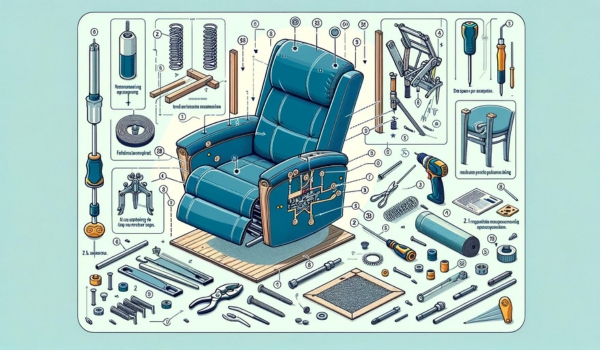
Fixing a leaning recliner chair can seem daunting at first, but with the right guidance, it’s a task you can confidently tackle. This comprehensive guide will walk you through the necessary steps to not only correct the lean but also ensure your recliner’s stability and comfort for the long haul.
Fixing Frame Issues
- Inspect the Frame: Begin by examining the recliner’s frame. Look for signs of wear, breakage, or weakness. A strong flashlight can help illuminate less visible areas.
- Reinforce the Frame: If you discover any cracks or breaks, wood glue can be your first line of defense. Apply glue to the affected area and clamp it until it dries. For more severe damage, additional reinforcement might be required, such as brackets or screws to secure the frame.
- Ensure Stability: After any repairs, check the entire frame for stability. This might involve adjusting the feet of the recliner to ensure it sits flat on the ground without wobbling.
Tightening Screws and Fasteners
- Identify Loose Parts: Carefully examine all screws and bolts, using your hands to test for looseness.
- Tighten Connections: With the appropriate screwdriver or wrench, tighten all loose connections. Be mindful not to over-tighten, as this can strip the threads or damage the parts.
- Replace if Necessary: Any worn or damaged screws and bolts should be replaced with new ones that match the size and thread pattern. This will prevent future issues with looseness or instability.
Adjusting or Replacing Springs and Mechanisms
- Check the Springs: Locate the springs within your recliner. If the chair is leaning, the tension may be off.
- Adjust Tension: Adjust the spring tension if possible, aiming for even support across the chair. This step may require turning adjusting screws or rehooking the springs.
- Replace Faulty Parts: Should the springs or reclining mechanism be beyond adjustment, obtaining replacement parts from the manufacturer or a furniture repair shop is your next step. Follow the manufacturer’s instructions for replacing these components.
Finishing Touches
After addressing the frame, screws, and springs, it’s time to put everything back together.
- Reassemble Your Chair: Carefully reassemble any parts that were removed or disassembled during the repair process. Ensure all connections are secure.
- Test for Stability and Function: Sit in your recliner and test its stability and functionality. Check for any signs of leaning or instability.
- Make Final Adjustments: If necessary, make any final adjustments to ensure optimal comfort and support. This could involve fine-tuning the tension or adding additional padding where needed.
By following these steps, you’ll not only fix the leaning issue with your recliner chair but also ensure it’s as comfortable and supportive as the day you bought it. Remember, regular maintenance and prompt attention to any signs of wear can keep your recliner in top condition for years to come.
Maintenance Tips to Prevent Future Leaning
Keeping your recliner chair from leaning again after you’ve fixed it isn’t just about making repairs when issues arise; it’s also about preventive care. Regular maintenance checks can significantly extend the life of your recliner, ensuring that it remains your cozy retreat for years to come.
Spotting Early Signs of Wear
The key to long-lasting furniture is catching and addressing problems early. For your recliner, this means regularly inspecting for loose screws, worn springs, or any unusual sounds during operation. These could be the first indicators of wear that, if ignored, could lead to more significant issues, including that dreaded lean.
Recommendations for Proper Use
Believe it or not, how you use your recliner can impact its longevity. Avoid throwing yourself into the chair or using the footrest as a lever to get up. These actions can strain the mechanics and structure of your recliner. Instead, treat it gently, and it will serve you well for many a relaxing day.
Conclusion
Remember, a well-maintained recliner chair is more than just a piece of furniture; it’s a haven of comfort in your home. With the tips and steps provided in this guide, you’re well-equipped to tackle any leaning issues that arise, ensuring your recliner remains a staple of relaxation and comfort. Dive into these repair tasks with confidence, and keep your recliner leaning back for all the right reasons.
Frequently Asked Questions
How do you fix a bent recliner?
To fix a bent recliner, first identify the bent part, usually the frame or mechanism. Carefully bend it back into place using appropriate tools like pliers or a wrench, ensuring not to damage the material further.
Is there a way to tighten a recliner?
Yes, recliners can often be tightened by adjusting the tension screws located on the underside of the chair. Tightening these screws can reduce wobbling and improve the chair’s stability.
Can a recliner be fixed?
Most recliners can be fixed. Whether it’s a mechanical issue, wear and tear on the upholstery, or a structural problem, there are solutions for nearly every issue your recliner might face.
What is the most common problem with recliners?
The most common problem with recliners is wear and tear on the reclining mechanism, leading to issues with the chair’s ability to recline smoothly or stay in the desired position.
How do I make my recliner lean back further?
To make your recliner lean back further, adjust the recliner’s tension. This can usually be done by turning a knob or screw located beneath the chair to loosen the tension, allowing a deeper recline.
Why does my recliner lean back?
A recliner may lean back due to loose or worn-out tension springs or screws, causing imbalance. Regular maintenance checks and adjustments can help prevent and correct this issue.
Important Articles:
How to fix a broken recliner chair
How to fix a power recliner chair
How to fix a manual recliner chair
How to fix a recliner chair cable

Julie D. Williams is a seasoned chair connoisseur with a decade in the furniture realm. She combines her keen eye for design and deep knowledge of ergonomics to provide readers with reviews and guides, ensuring comfort and style in every recommendation. Each piece is a fusion of aesthetics and function, tested and approved by Julie. A believer in the power of the perfect seat to transform spaces, she’s your go-to source for impeccable finds. When not reviewing chairs, Julie is on the hunt for vintage décor, weaving comfort and beauty into every aspect of life.