
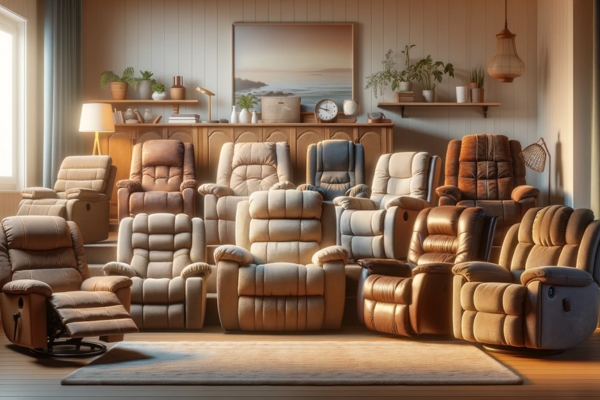
Ever wonder, “How long do recliners last?” It’s a question as timeless as the quest for the ultimate comfort throne. Recliners have become the unsung heroes of living rooms, mancaves, and even some forward-thinking offices around the globe. They’re not just chairs; they’re our partners in relaxation, our front-row seats to every binge-worthy series, and sometimes, the only spot where the day’s stress seems to melt away. But as with all good things, recliners, too, have their life cycle. Let’s recline into the details and explore what affects the longevity of these cherished seats.
Table of Contents
The Basics of Recliner Longevity
What Is a Recliner, Exactly?
At its core, a recliner is more than a chair. It’s an escape pod from the daily grind. Equipped with moving parts that allow you to lean back and elevate your feet, it’s engineered for maximum comfort. But the magic of a recliner isn’t just in its mechanics but in its ability to become a part of our daily lives and routines.
The Average Lifespan of a Recliner
When pondering “How long do recliners last?” we stumble upon various answers. On average, a well-loved recliner can grace your living space for about 7 to 15 years. This range, however, is flexible. It’s influenced by how the recliner is made, what it’s made of, and, of course, how it’s used and cared for.
Recliners vs. Chairs and Sofas: A Lifespan Comparison
In the grand scheme of furniture, recliners hold their own quite well against their stationary counterparts. While standard chairs and sofas might boast a similar lifespan, recliners face the added challenge of moving parts and mechanisms that can wear out over time. Yet, with proper care, they often outlive the expectations set by their complex designs.
Factors Influencing Recliner Lifespan

Material Quality
The fabric or leather covering your recliner plays a massive role in its durability. High-quality materials can withstand more wear and tear, resisting fading and tearing. Whether you choose a sleek leather finish or a cozy fabric, remember: the better the quality, the longer your recliner is likely to last.
Usage Frequency
How often you use your recliner will also impact its longevity. A chair that’s in constant use will show signs of wear faster than one that’s more for show. Think of it like a favorite pair of jeans; the more you wear them, the quicker they start to show their age.
Maintenance and Care
Regular maintenance can go a long way in extending the life of your recliner. Simple actions like vacuuming, gentle cleaning, and immediate attention to spills can prevent long-term damage. It’s like caring for a cherished vehicle; regular check-ups keep it running smoothly.
Mechanism Quality
The heart of any recliner is its mechanism. High-quality mechanisms can withstand repeated use without faltering, ensuring your recliner reclines smoothly for years. It’s akin to the engine in a car; the better it’s made, the longer it’ll last.
Environmental Factors
Finally, the environment where your recliner lives affects its lifespan. Sunlight can fade colors, while humidity can warp wood and encourage mold in fabrics. Think of your recliner as a plant; the right conditions help it thrive.
Signs of Aging in Recliners
Physical Wear and Tear
Over time, even the sturdiest recliners show their age. Upholstery may fade, fabric can fray, and leather might crack. These are the wrinkles of the furniture world, telling the story of many a cozy evening.
Mechanical Issues
Just like any mechanism, a recliner’s moving parts can wear out. You might notice the footrest becomes harder to raise or the chair doesn’t recline as smoothly. It’s the furniture equivalent of a creaky knee; a sign of many years of service.
Comfort Reduction
As recliners age, they may not offer the same level of comfort they once did. Cushions can compress, and support structures might weaken. It’s a bit like an old mattress; over time, it just doesn’t support you the way it used to.
Understanding these factors and signs of aging can help you maintain your recliner better and recognize when it’s time for an upgrade. Like any long-term relationship, it’s about knowing when to hold on and when to let go.
Enhancing the Life of Your Recliner

Proper Usage
Treating your recliner with a little respect goes a long way in extending its life. Avoid jumping into it like it’s a pool on a hot summer day. Instead, gently take a seat. Think of it as a trusty steed; you wouldn’t gallop hard on a loyal horse, would you?
Regular Maintenance
Just like any valued possession, your recliner requires regular check-ups and cleanings. Vacuuming the crevices to remove crumbs (we know snacks are best enjoyed in a recliner) and wiping down leather or fabric with appropriate cleaners can prevent long-term damage. It’s akin to brushing your teeth; regular maintenance prevents bigger issues down the line.
Professional Repairs
When your recliner starts showing signs of wear or the mechanism begins to stick, consider calling in a professional before it’s too late. It’s much like seeing a doctor at the first sign of illness; early intervention can save you time and money in the long run.
Upgrades and Modifications
Sometimes, a little upgrade can breathe new life into an old recliner. Replacing worn cushions or updating the upholstery can make your old friend feel new again. It’s the furniture equivalent of a facelift, offering a fresh look without the need for a complete replacement.
When to Replace Your Recliner
Making the Decision
Deciding to part with your recliner can be tough. When repairs become too frequent or the chair no longer provides the comfort it once did, it might be time to say goodbye. It’s a bit like realizing your old car can no longer make the long journey; sometimes, it’s safer to start anew.
Cost-Benefit Analysis
Weigh the costs of repair against the price of a new recliner. If fixing your current chair costs nearly as much as a new one, it might be time to upgrade. Consider it financial wisdom; invest where you see the most value.
Disposal and Recycling Options
When it’s time to say goodbye to your recliner, look for environmentally friendly disposal options. Many organizations accept furniture donations, or you might find a recycling program for furniture. It’s the responsible way to bid farewell, ensuring your recliner’s legacy lives on in a new form.
Choosing a Long-Lasting Recliner
Key Features to Look For
When you’re in the market for a new recliner, it’s like embarking on a quest for the Holy Grail of comfort. But it’s not just about how the recliner feels when you first sink into it. Consider the build quality—solid frames made from hardwood or metal offer a strong foundation. Look for high-density foam cushions that promise to hold their shape and support over time. The upholstery material matters too; leather and high-grade fabrics can withstand wear and tear better than cheaper alternatives. And don’t forget the mechanism; smooth operation and a warranty are indicators of a recliner that’s built to last.
Recommended Brands and Models
Diving into the world of recliners, certain names stand out for their dedication to quality and longevity. Brands like La-Z-Boy, Ashley Furniture, and Stressless by Ekornes have earned their stripes (and their sit) in the furniture world. These manufacturers often offer extensive warranties that speak volumes about their confidence in the recliner’s lifespan. Models like the La-Z-Boy Pinnacle Recliner or the Stressless Magic Recliner are shining examples of durability and meeting comfort.
Budget Considerations
Finding the balance between cost and quality is like walking a tightrope. It’s tempting to go for a bargain but remember, a recliner is an investment in your comfort. Cheaper models might save you money upfront but replacing them every few years will cost more in the long run. Consider your recliner an investment piece. Sometimes, spending a little more initially can save you a lot in the long-term comfort and durability stakes.
Conclusion
“How long do recliners last?” We’ve journeyed through the factors that affect their lifespan, from the materials and care to the signs that it’s time for a change. We’ve also explored how to choose a recliner that promises years of reliable comfort. The key takeaway is that with the right choice and care, your recliner can be more than just a piece of furniture—it can be a long-standing member of your home. Understanding and enhancing the lifespan of recliners ensures that your investment will continue to pay off in comfort and style for years. Remember, a well-chosen recliner is not just a seat; it’s a companion for life’s quiet moments.
Frequently Asked Questions
When should I replace my recliner?
Replace your recliner when it no longer provides the support and comfort it once did, if repair costs exceed the value of a new chair, or when its mechanism fails to function properly.
Do recliners wear out?
Yes, recliners do wear out over time. The extent and speed of wear depend on the quality of construction, materials used, and how frequently the recliner is used.
How long do Lazy Boy recliners last?
Lazy Boy recliners are known for their durability and can last anywhere from 7 to 15 years, depending on usage and maintenance practices.
Do recliner chairs need maintenance?
Recliner chairs require regular maintenance to ensure longevity. This includes cleaning, tightening loose bolts, and lubricating moving parts as needed.
Which recliner lasts the longest?
Recliners built with high-quality materials, solid frames, and reputable brand names like Lazy Boy, Stressless by Ekornes, and Ashley Furniture are known to last the longest.
Is it OK to sleep in a recliner every night?
Sleeping in a recliner every night is generally okay if it’s comfortable for you, but it’s important to ensure it doesn’t cause back pain or exacerbate other health issues.
Important Articles:
How much electricity does a recliner chair use
How to fix an electric recliner couch

Julie D. Williams is a seasoned chair connoisseur with a decade in the furniture realm. She combines her keen eye for design and deep knowledge of ergonomics to provide readers with reviews and guides, ensuring comfort and style in every recommendation. Each piece is a fusion of aesthetics and function, tested and approved by Julie. A believer in the power of the perfect seat to transform spaces, she’s your go-to source for impeccable finds. When not reviewing chairs, Julie is on the hunt for vintage décor, weaving comfort and beauty into every aspect of life.