
Have you ever sunk into a recliner chair after a long day and felt all your worries drift away? These chairs are the epitome of comfort and relaxation for many. However, amidst the bliss, a pressing concern arises: “Can recliner chair cause stooped back or poor posture?”
This article dives deep into this question, exploring how the beloved recliner chair interacts with our spinal health.
We’ll break down the essence of good posture, the anatomy of recliner chairs, and whether these comfortable nooks might lead us down the path to a stooped back.
Understanding Posture and Back Health
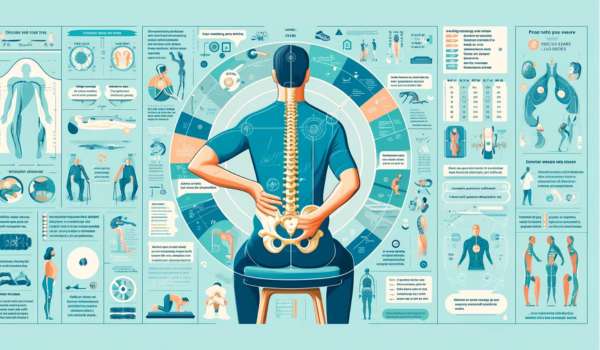
The Backbone of Wellness: Good Posture
At the core of our physical well-being is our posture. Good posture isn’t just about standing tall; it’s about maintaining the natural curves of the spine while sitting, standing, or moving.
It ensures that our muscles and ligaments are not overstressed, keeping back pain at bay and allowing our bodies to work efficiently.
However, the comfort trap of modern furniture, including recliner chairs, often lures us into habits that may compromise our spinal health.
When Comfort Leads to Compromise: The Stooped Back Saga
Stooped back, or kyphosis, is a common postural syndrome where the upper back curves excessively, giving the appearance of a hunched posture.
While age, genetics, and certain medical conditions play a role, our daily habits, especially prolonged sitting in poor positions, significantly contribute to this condition.
Furniture and Spinal Health: A Double-Edged Sword
The furniture we choose plays a pivotal role in maintaining our posture. An ergonomically unsound chair can lead to slouching, uneven pressure on the spine, and eventually, chronic back issues.
Thus, understanding the impact of recliner chairs on our posture is crucial for preventing long-term back problems.
The Anatomy of a Recliner Chair
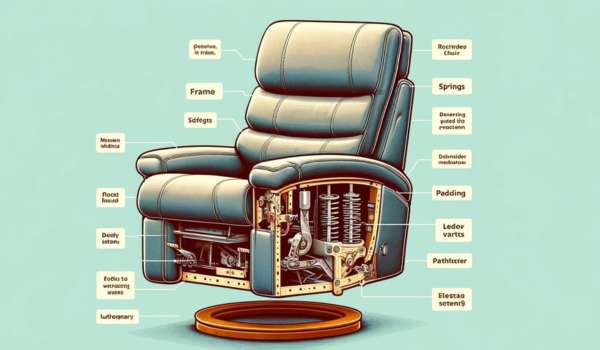
Design That Hugs You Back
Recliner chairs are designed with one goal in mind: supreme comfort. With their adjustable backrests, plush cushions, and sometimes even built-in massagers, these chairs are a haven for relaxation. But how do they fare when it comes to supporting the body, particularly the back and lumbar region?
Support or Sabotage? Recliner Chairs and Back Health
The key to a recliner’s impact on back health lies in its design. A well-designed recliner can offer excellent back and lumbar support, keeping the spine in a natural position and distributing weight evenly. However, not all recliners are created equal.
Some may lack the necessary support, leading individuals into a slouching position that could contribute to or worsen a stooped back.
Related Post
The Link Between Recliner Chairs and Stooped Back
Wondering if your beloved recliner chair can lead to a stooped back? You’re not alone. This question has sparked a mix of opinions, with some swearing by the comfort of their recliners and others cautioning against potential posture pitfalls. Let’s dive into what the experts say and examine the relationship between recliner chairs and back health.
A Closer Look at the Evidence
Various studies and expert analyses have shed light on how recliner chairs might impact one’s posture over time. The core concern revolves around the prolonged use of recliner chairs without adequate back and neck support.
When you sink into a recliner, the chair often encourages a slouched position that can put undue stress on the spine. This relaxed posture might feel comfortable in the moment, but over time, it can lead to a weakening of the muscles that support the spine, potentially causing a stooped back.
However, it’s not all doom and gloom. Recliner chairs can also offer benefits, particularly for individuals with specific back conditions.
For instance, reclining positions can alleviate pressure on certain parts of the spine, providing relief for conditions like lumbar spinal stenosis or degenerative spondylolisthesis. The key is to use these chairs wisely and ensure they provide proper support where it’s needed most.
The Best of Both Worlds: Preventive Measures and Best Practices
The secret to enjoying your recliner without compromising your posture lies in selecting the right chair and adopting good habits. Here are some guidelines and tips to help you maintain a healthy back:
- Choosing the Right Recliner: Opt for a chair that offers adequate lumbar support. The best recliner for back health is one that aligns with your body’s natural curves, particularly supporting your lower back. Pay attention to the material and design—ergonomic features are a must.
- Good Posture Guidelines: Limit the time you spend reclining and make a conscious effort to maintain good posture even when relaxing. Accessories like lumbar support pillows can make a big difference in promoting proper alignment.
- Strengthening and Stretching: Incorporate exercises and stretches into your daily routine to counteract any potential negative effects of prolonged sitting. Focus on strengthening the core and back muscles, as well as stretches that promote flexibility in the spine.
By following these preventive measures, you can enjoy the comfort of your recliner chair without the worry of developing a stooped back. Remember, balance is key—not only in maintaining a healthy posture but in all aspects of a comfortable and active lifestyle.
Related Post
Alternatives to Recliner Chairs
When considering whether a recliner chair can cause a stooped back, it’s crucial to explore alternatives that promote better posture and back health. Diving into the world of ergonomic and posture-friendly furniture, we find a plethora of options that promise to keep our spines happy and our posture upright.
Ergonomic Desk Chairs
Ergonomic desk chairs, designed with back health in mind, often feature adjustable lumbar support, ensuring that your lower back is snug and supported.
These chairs encourage an upright posture, keeping the spine in its natural alignment and significantly reducing the risk of developing a stooped back.
Standing Desks
Standing desks have surged in popularity, and for good reason. They promote movement and flexibility, allowing you to alternate between sitting and standing. This variety in posture keeps your back muscles engaged and active, rather than relaxed and potentially contributing to a stooped posture.
Kneeling Chairs
Kneeling chairs, a somewhat unconventional choice, offer an interesting approach to maintaining good posture. By tilting the pelvis forward and encouraging an open hip angle, these chairs help align the spine correctly.
They’re a fantastic option for those looking to combat a stooped back by strengthening the core and back muscles.
Comparison
While recliner chairs offer unparalleled comfort for relaxation, their contribution to promoting a healthy posture is debatable. In contrast, the alternatives mentioned prioritize spinal health and proper posture alignment.
However, it’s important to note that too much of anything can be harmful. Even the most ergonomic furniture can lead to discomfort and posture issues if not used correctly or if one remains in the same position for prolonged periods.
Expert Advice
Chiropractors, physiotherapists, and ergonomic experts often weigh in on the debate surrounding recliner chairs and their impact on our backs.
Their insights offer valuable guidance on using recliner chairs wisely and mitigating any potential risks of developing a stooped back.
Insights from Health Professionals
Health professionals agree that while recliner chairs can be beneficial for reducing lower back pressure in some cases, they can also encourage a slouched posture if used excessively. The key is moderation and proper use.
Ensuring that the chair fits your body’s proportions and offers adequate support where needed is crucial.
Recommendations for Those With Back Issues
For individuals already battling back issues, including a stooped back, experts recommend incorporating exercises that strengthen the back and core muscles into their daily routine.
They also suggest using ergonomic furniture that supports natural spine alignment and taking frequent breaks to walk and stretch if you spend a lot of time sitting.
Ultimately, whether a recliner chair can cause a stooped back depends on various factors, including the chair’s design, how it’s used, and the user’s general posture and health habits.
By choosing furniture that supports good posture and following the advice of health professionals, individuals can enjoy the comfort of a recliner chair without compromising their back health.
Real-Life Stories: When Comfort Leads to Discomfort
The Tale of John: A Cautionary Story
John, a 58-year-old retiree, loved his recliner. It was his throne for watching TV, reading, and even occasional naps.
Over time, John noticed a persistent ache in his lower back and shoulders. Visits to the chiropractor revealed a startling truth: his beloved recliner was contributing to a stooped posture. The prolonged use, especially in a non-ergonomic position, had taken its toll.
This anecdote serves as a reminder that comfort can sometimes lead to discomfort if we’re not careful.
Sarah’s Success Story: A Turnaround
On the flip side, let’s talk about Sarah, a freelance writer who spent hours in her recliner, typing away her latest articles. When she started experiencing back pain and realized her posture was worsening, Sarah took action.
She researched ergonomic positions, invested in a supportive recliner, and made it a habit to take regular breaks to stretch.
Fast forward six months, and not only did her posture improve, but she also felt more energized and productive. Sarah’s story is a testament to the fact that with the right practices, the recliner can still be a part of a healthy, active lifestyle.
Conclusion: Finding the Balance
As we wrap up this exploration, it’s clear that while recliner chairs can indeed contribute to a stooped back, the outcome largely depends on how we use them. The key is balance and mindfulness.
Being aware of our posture, taking regular breaks to move and stretch, and choosing furniture that supports rather than hinders our health are crucial steps.
So, can recliner chair cause stooped back? Yes, but it doesn’t have to be that way. Let’s not forget the power of informed choices and the importance of listening to our bodies. If you’re experiencing discomfort or changes in your posture, seeking professional advice is always a wise decision. Remember, the goal is to enjoy our comforts without compromising our health. Let’s recline responsibly!
Frequently Asked Questions
Is it bad to sit in a recliner all day?
Sitting in a recliner all day isn’t recommended due to potential negative impacts on your posture and circulation. It’s important to take regular breaks and move around to maintain good health.
Are reclining office chairs bad for your back?
Reclining office chairs are not inherently bad for your back; in fact, they can offer good support if used correctly. Adjusting the chair to maintain proper posture and taking frequent breaks is key.
Are recliners bad for your posture?
Recliners can be bad for your posture if not used properly. Overreliance on the support they provide can lead to weakened core muscles, affecting posture negatively over time.
Can sitting in a chair mess up your back?
Sitting in a chair for prolonged periods can mess up your back, especially if the chair offers poor support or if you adopt a bad posture. Regular movement and ergonomic adjustments can help mitigate risks.

Julie D. Williams is a seasoned chair connoisseur with a decade in the furniture realm. She combines her keen eye for design and deep knowledge of ergonomics to provide readers with reviews and guides, ensuring comfort and style in every recommendation. Each piece is a fusion of aesthetics and function, tested and approved by Julie. A believer in the power of the perfect seat to transform spaces, she’s your go-to source for impeccable finds. When not reviewing chairs, Julie is on the hunt for vintage décor, weaving comfort and beauty into every aspect of life.