
“Can massage chairs cause injury?” This question might seem counterintuitive given the widespread acclaim of massage chairs as tools for relaxation and pain relief. These sophisticated pieces of furniture are often touted as the pinnacle of comfort technology, promising to soothe aching muscles and reduce stress through automated processes.
However, as their popularity grows, it’s essential to examine whether these devices, designed for health and relaxation, might also present any risks.
Understanding Massage Chairs
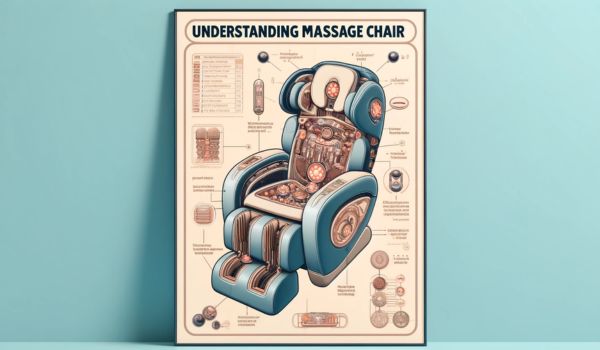
What Are Massage Chairs and How Do They Work?
Massage chairs are advanced devices that mimic the techniques used by massage therapists. Utilizing a combination of motors, gears, rollers, and airbags, these chairs deliver a range of massages from gentle stroking to deep tissue manipulation.
They are designed to target specific areas of the body—most commonly the back, neck, and shoulders—though some models offer full-body experiences.
Types of Massage Chairs
From basic recliners with simple vibrating elements to high-end models equipped with zero-gravity positioning, body scanning technology, and a variety of massage techniques, massage chairs can vary significantly in complexity and price.
Advanced features might include adjustable intensity settings, programmable profiles, and additional functionalities like heating elements and Bluetooth speakers for a more immersive experience.
Common Features and Mechanisms
Regardless of the model, most massage chairs operate on a few common principles. They typically incorporate rollers that move along the spine, relieving tension and promoting circulation. Airbags expand and contract to mimic hand compressions, providing relief to different body parts. Many also come with heating elements that help to relax the muscles further and enhance the massage effects.
Potential Benefits of Massage Chairs
Massage chairs offer a host of benefits that contribute to both physical and mental well-being. Physically, they can help alleviate symptoms of back pain, reduce muscle tension, and improve circulation. The mental health benefits are equally compelling, with many users experiencing reduced stress and anxiety levels after a session.
Health Conditions That Benefit From Massage Chairs
For individuals suffering from chronic pain, such as back issues or widespread muscle tension, massage chairs can serve as a valuable tool for pain management.
The mechanical simulation of massage techniques can help in loosening tight muscles and increasing endorphin levels, which naturally reduce pain and boost pleasure.
Risks Associated with Massage Chairs
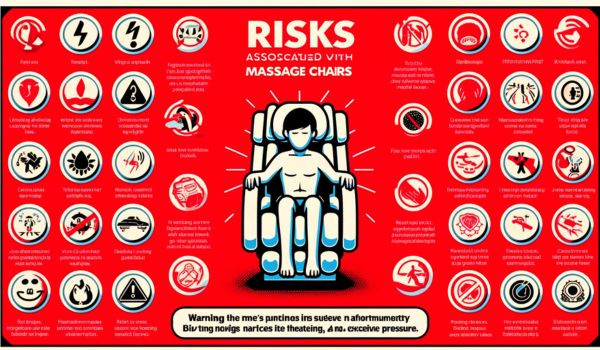
While massage chairs are generally safe, like any therapeutic tool, they come with potential risks that users should be aware of. Understanding these risks can help mitigate any adverse effects and improve the safety of using these chairs.
Overview of Possible Injuries or Discomfort
The primary concern with massage chairs relates to the discomfort or injuries they can cause, especially when used improperly or excessively. These issues can range from minor aches and bruises to more serious musculoskeletal injuries.
Discussion of Short-term vs. Long-term Risks
Short-term risks mainly include minor muscle soreness and bruising, which typically resolve within a few days.
However, long-term misuse of massage chairs can lead to more severe health issues, such as chronic pain or even long-lasting injuries that may require medical intervention.
Related Post
- are massage chair cushions good for back injuries
- is massage chair good for lower back pain
- is using massage chair good for health
Specific Injuries Linked to Massage Chair Use
Muscle Soreness and Bruising
One of the most common complaints from new or frequent users of massage chairs is muscle soreness or bruising. This can occur when the massage settings are too intense or the chair’s rollers and airbags press too hard against sensitive areas.
Users should adjust the settings to a comfortable level to avoid these issues.
Spinal Injuries
“Can massage chairs cause injury to the spine?” is a critical question. While these chairs are designed to relieve back pain, incorrect usage or overly aggressive settings can lead to spinal misalignment or exacerbate existing back conditions.
It’s crucial for users to ensure that the massage chair fits their body type and to consult with a healthcare provider if they have pre-existing back issues.
Circulatory Issues
Another potential risk involves circulatory problems that can arise from prolonged use of massage chairs. If the chair compresses the limbs or body excessively, it might restrict blood flow, leading to numbness or circulatory issues.
It’s important to use the chair in moderation and ensure that no part of the body is uncomfortably compressed.
Pre-existing Condition Complications
For individuals with certain health conditions, such as osteoporosis or disc herniation, massage chairs can potentially worsen their symptoms. The automated nature of the chair might not adjust sufficiently for fragile bones or sensitive spinal conditions, leading to further complications.
Related Post
- can a massage chair induce labor
- can a massage chair hurt your back
- Are HydroMassage chairs good for you
- Should you use massage chair before or after workout
Factors Contributing to Risks
Incorrect Use or Overuse of Massage Chairs
One of the most common factors leading to injuries from massage chairs is their incorrect use or overuse. Users often underestimate the power of these devices, leading to muscle strain and other injuries due to excessive pressure or extended sessions.
Manufacturing Defects or Poor Quality of the Massage Chair
The quality of a massage chair significantly affects its safety. Low-quality chairs may not adhere to the necessary safety standards, potentially leading to mechanical failures or inadequate support during use.
Manufacturing defects can also lead to uneven massage pressure, which can cause injuries.
User’s Health Conditions and Sensitivity to Massage
Individual health conditions and sensitivity levels play a crucial role in how safely a person can use a massage chair. People with certain medical conditions, such as severe osteoporosis or recent injuries, might find the standard settings of massage chairs too harsh, leading to discomfort or aggravation of existing conditions.
Safety Guidelines and Recommendations
Tips on Selecting the Right Massage Chair
When choosing a massage chair, it’s essential to consider any personal health conditions. Look for chairs that offer adjustable intensity levels, multiple massage options, and ergonomic designs to ensure comfort and safety.
Recommendations on Usage Frequency and Duration
To minimize risks, it is advisable to use massage chairs in moderation. Limit sessions to 15-20 minutes and avoid using the chair more than once a day. This helps prevent muscle fatigue and other potential injuries associated with prolonged use.
Importance of Consulting Healthcare Professionals
Before using a massage chair for specific health issues, consulting with a healthcare professional is crucial. They can provide guidance on whether a massage chair is suitable for your condition and recommend safe usage practices.
The Role of Technology and Regulation
Advances in Massage Chair Technology
Recent technological advancements in massage chairs aim to reduce risks by incorporating features like body scanning technology, which adjusts the massage pressure and motions according to the user’s body structure, ensuring a safer and more personalized massage experience.
Existing Regulations and Standards
There are various regulations and standards in place for manufacturing massage chairs, ensuring they meet safety requirements. These standards help prevent accidents and injuries by ensuring that all chairs on the market are built to a certain quality and safety specification.
Consumer Testimonies and Studies
Overview of User Reviews and Experiences Regarding Injuries
Consumer testimonies often highlight both the benefits and the risks associated with massage chairs. While many users report enhanced relaxation and pain relief, others have experienced discomfort or injuries, underlining the importance of cautious use.
Summary of Any Studies or Clinical Trials
Studies and clinical trials examining the safety of massage chairs are crucial for validating their efficacy and safety. These studies typically focus on the frequency and type of injuries reported, providing valuable insights into how to improve the safety features of these devices.
Conclusion
Massage chairs offer significant benefits, including relief from back pain, reduced muscle tension, and enhanced relaxation. However, they also carry potential risks such as muscle soreness, spinal injuries, and circulatory issues, particularly when misused or overused. The quality of the chair and the user’s health conditions also influence these risks. It’s essential to balance the benefits with an awareness of the potential dangers.
By selecting the right chair, using it appropriately, and consulting healthcare professionals when necessary, users can safely enjoy the advantages of massage chairs while minimizing the likelihood of injury.
Frequently Asked Questions
Can massage chair cause damage?
Massage chairs are generally safe, but improper use or excessive duration can lead to muscle soreness or minor injuries. Always follow manufacturer guidelines and usage recommendations.
Are massage chairs safe?
Yes, massage chairs are safe for most people when used appropriately. They are designed to mimic manual massage techniques to help relieve tension and improve relaxation.
What is the disadvantage of chair massage?
One disadvantage of chair massage is that it can’t provide a completely personalized experience. It may not target all muscle groups effectively, and the intensity might not be right for everyone.
Is it OK to sit in a massage chair everyday?
Sitting in a massage chair every day is generally fine as long as you limit sessions to a reasonable length, typically not more than 15-20 minutes, to avoid overstimulation of muscles.
Is it OK to use massage chair daily?
Yes, using a massage chair daily is acceptable. Ensure to keep sessions short and moderate to avoid potential muscle fatigue or discomfort from overuse.
Who should not use massage chairs?
People with certain health conditions such as low bone density, fractures, or severe thrombosis should avoid using massage chairs. Pregnant women should also consult with a healthcare provider first.
